
Netherlands resumes returning asylum seekers to Belgium
Council of State had blocked transfers over Belgian shelter shortages, Dublin rules become a dispute over who provides beds
Images
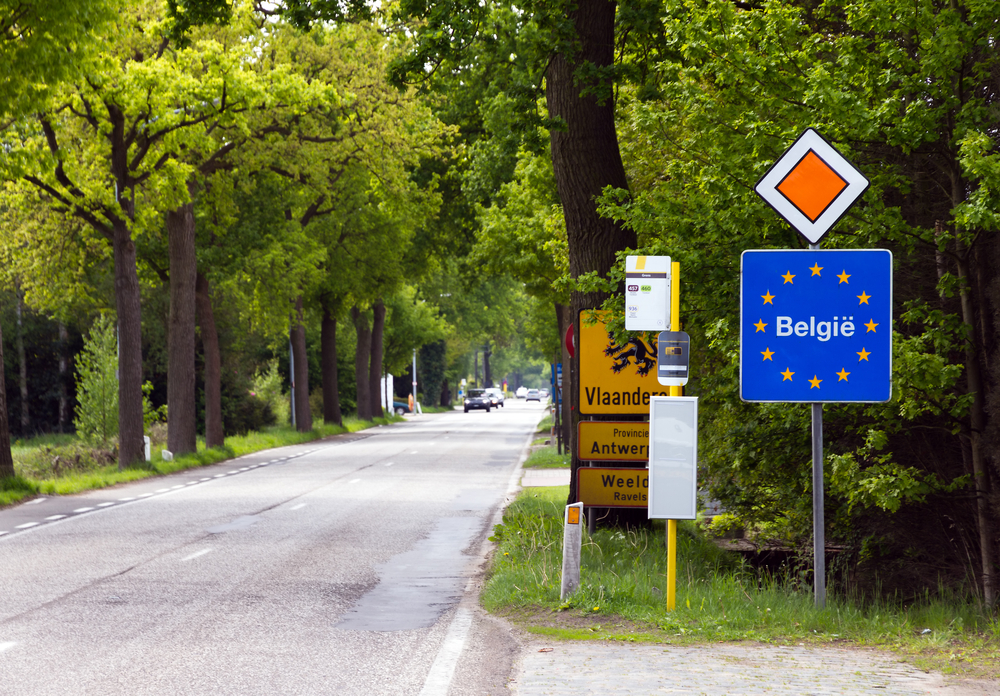 Photo: Depositphotos.com
Depositphotos.com
Photo: Depositphotos.com
Depositphotos.com
The Netherlands will resume sending single male asylum seekers back to Belgium under the EU’s Dublin rules after months of legal and diplomatic wrangling over whether Belgium can house them.
DutchNews.nl reports that asylum minister Bart van den Brink said The Hague had received assurances from Brussels that returnees’ “basic needs can be met”, reversing the practical effect of a Council of State ruling last year. The court had blocked a transfer of an Afghan asylum seeker, citing evidence that Belgian authorities were “indifferent” to fixing shortages in accommodation and legal protection—particularly for men without families.
The episode shows how the Dublin system turns into a contest over who carries the cost of beds, lawyers, and waiting time. On paper, the first EU country an asylum seeker enters should handle the claim. In practice, the rule becomes enforceable only if the receiving state can demonstrate minimum conditions. When capacity breaks, the legal system converts a shortage of bunk beds into a jurisdictional veto.
That creates an incentive to manage migration pressure by managing standards. If a country’s reception system is visibly overloaded, other states gain legal grounds to stop transfers to it. If standards are raised or capacity expanded, the same country becomes eligible again as a destination for returns. The result is a perverse feedback loop: governments can reduce their exposure by letting accommodation degrade until courts intervene, while neighbours can use transfers to export pressure back across the border.
DutchNews notes that the earlier ruling was driven by the lack of places for “non-vulnerable” men, with at least one other case involving a Georgian national blocked on the grounds that he risked homelessness. By limiting the resumed returns to single men, the Dutch government is effectively treating vulnerability categories as a routing algorithm—families and recognised vulnerable groups remain harder to transfer, while those with the weakest political constituency are easiest to move.
Van den Brink presented the decision as necessary for “a well functioning European asylum system” and for “harmony” in Dutch accommodation. But the mechanism is bilateral: the Netherlands sends people back only after Belgium gives guarantees, and the guarantees are not a treaty change but an administrative promise. If Belgian capacity tightens again, the same litigation pattern can restart, with courts asked to adjudicate the state of another country’s shelters.
The practical consequence is that Schengen-era borderlessness is increasingly enforced through paperwork rather than patrols. The border is still there; it is just relocated into asylum files, bed counts, and the question of whether a neighbouring government’s assurances are credible.
The Council of State judgment was issued last July. The Netherlands is now restarting transfers on the basis of new assurances from Belgium.