
Russia normalises regional mobile internet shutdowns
Drone-defence justification expands into everyday governance, outages create black markets for connectivity and exemptions
Images
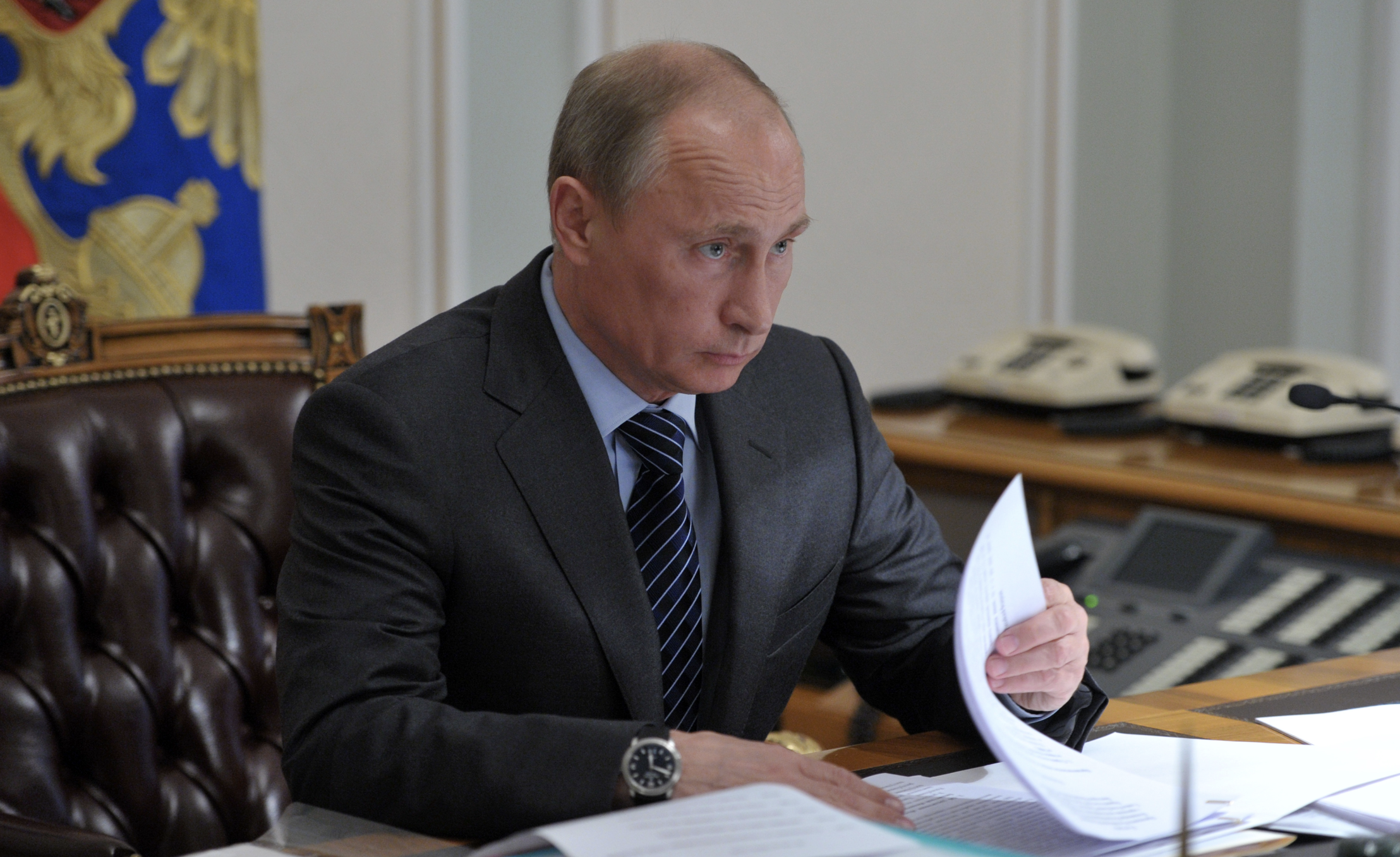 euobserver.com
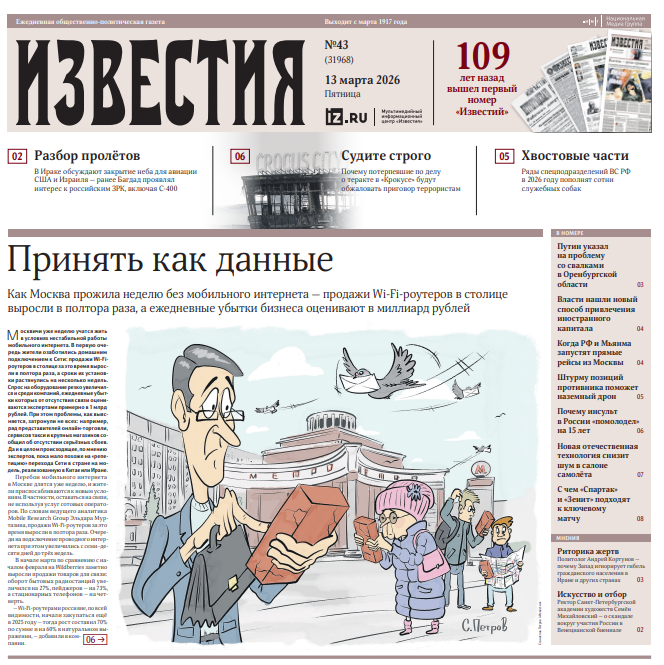 (Source: Izvestia)
Source: Izvestia
(Source: Izvestia)
Source: Izvestia
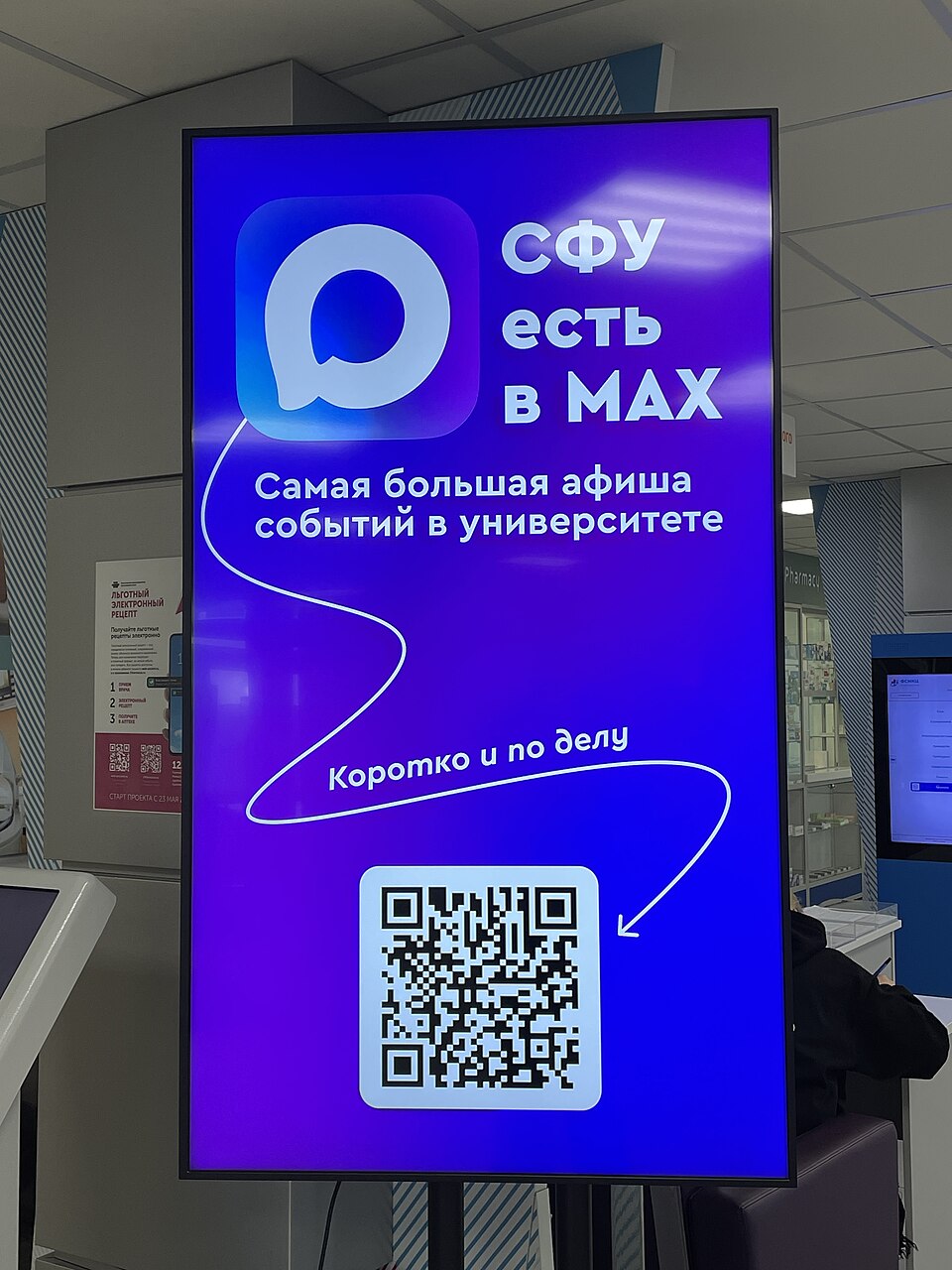 Advertisement for the Max messaging app at Siberian Federal University (Source: Wikimedia)
Source: Wikimedia
Advertisement for the Max messaging app at Siberian Federal University (Source: Wikimedia)
Source: Wikimedia
Moscow’s commuters have been learning, in real time, what “offline” means. For more than a week, large parts of Russia have experienced rolling mobile-internet blackouts that disable navigation, messaging and app-based payments, according to EUobserver’s reporting from Russian and international sources. The Kremlin says the shutdowns are a security measure against Ukrainian drones, and president Vladimir Putin has signed a law allowing operators to cut connections at the request of the FSB without liability to customers.
The immediate effect is mundane but expensive. When ride-hailing apps fail, travellers revert to street negotiations; drivers can charge higher fares because price comparison disappears and passengers cannot easily switch providers. Retailers and couriers lose the frictionless payments and tracking that mobile data enables, while public Wi‑Fi becomes a contested substitute: it works, but many users avoid it for fear of surveillance or credential theft. Dmitry Zair Bek, a cyber expert cited by the Financial Times, estimated Moscow’s losses at one to two billion roubles per day as IT systems and logistics slow.
What looks like a temporary “wartime precaution” is also a template. Izvestia described the outages as a “dress rehearsal” for shifting Russia toward a more tightly managed connectivity model, closer to systems used in China or Iran, EUobserver reports. The state’s incentive is straightforward: degrading civilian connectivity reduces the attack surface for drone guidance and sabotage while raising the cost of coordination for domestic dissent. The cost is pushed outward to households and firms, which must either absorb productivity losses or pay for workarounds.
Those workarounds are already forming a parallel market. Demand for paper maps has reportedly jumped sharply, while sales of pagers and walkie-talkies have risen as people seek communications that do not depend on mobile networks. Each substitute creates its own gatekeepers: access to reliable Wi‑Fi, permission to keep certain services running, and the informal “whitelists” that decide which companies get connectivity during disruptions. In a system where operators can disconnect customers on security-service instruction, exemptions become a valuable commodity, and the line between emergency management and rent extraction blurs.
The blackout policy also changes what “infrastructure” means. Mobile internet has become a hidden layer under transport, retail and public services; switching it off turns everyday life into a series of manual fallbacks. Russia’s officials are now openly signalling that these fallbacks may not be exceptional. Putin’s spokesman Dmitry Peskov has told Russians to prepare for longer outages.
In the meantime, one mobile operator managed to reach a journalist affected by the shutdowns with an offer of a 50 percent discount on unlimited mobile internet, according to Meduza’s account cited by EUobserver. The promotion, the operator said, was valid only until the end of the week.