
Trump threatens to destroy South Pars gas field
US warning follows Israeli strike and Iranian attacks on Qatar LNG, energy deterrence shifts into sabotage race
Images
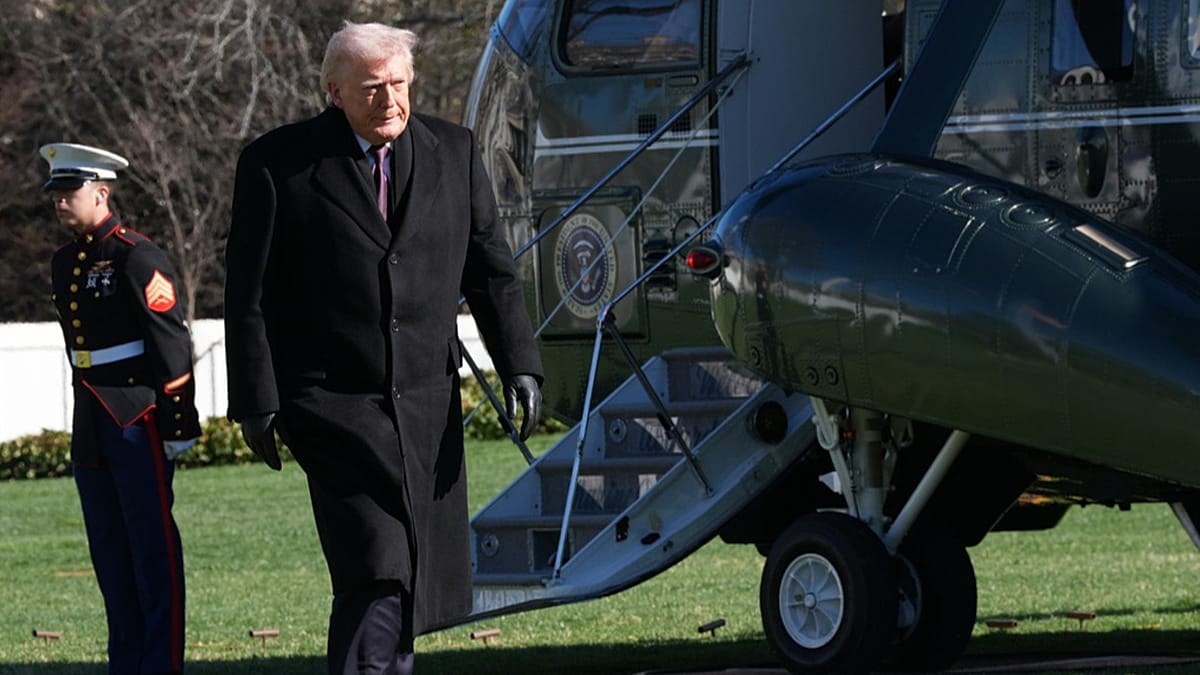 Trump threatens to 'entirely blow up' Iran's South Pars gas field
euronews.com
Trump threatens to 'entirely blow up' Iran's South Pars gas field
euronews.com
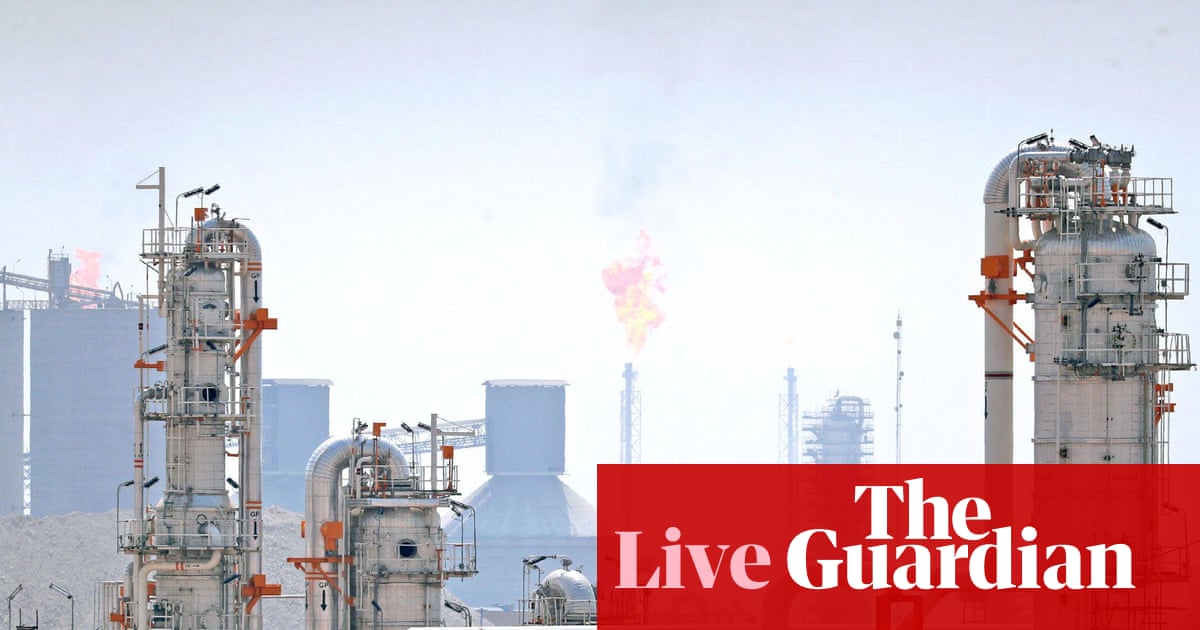 Middle East crisis live: Trump threatens to ‘blow up’ entire South Pars gasfield if Iran strikes Qatar
theguardian.com
Middle East crisis live: Trump threatens to ‘blow up’ entire South Pars gasfield if Iran strikes Qatar
theguardian.com
Donald Trump has threatened to “massively blow up the entirety” of Iran’s South Pars gas field if Tehran strikes Qatar’s LNG facilities again, according to Euronews and the Guardian’s live coverage. The warning followed Iranian missile attacks that Qatar says caused significant damage at Ras Laffan, and came after an Israeli strike on South Pars, the Iranian section of the world’s largest gas field shared with Qatar.
South Pars is not simply another military target. It is a piece of global energy plumbing: a giant offshore reservoir that underpins Iranian power generation and domestic gas supply while anchoring Qatar’s export machine on the other side of the maritime border. By pulling it into the open language of retaliation—“with or without the help or consent of Israel,” as Trump wrote—Washington moves the war’s centre of gravity from missile exchanges to the credibility of threats against infrastructure that cannot be quickly repaired.
Once such threats are issued publicly, they are hard to retract without cost. Trump also said the United States “knew nothing” about Israel’s strike on the field and that Doha “was in no way, shape, or form, involved,” while simultaneously claiming Israel would make “NO MORE ATTACKS” on South Pars unless Iran attacked Qatar again. The sequence leaves multiple actors with incentives to test boundaries: Israel can seek further leverage while the US tries to fence off escalation; Iran can treat Gulf targets as bargaining chips without conceding directly to Washington; Gulf states can denounce attacks while trying to avoid becoming co-belligerents.
The second-order effect is that energy infrastructure becomes a rational place to apply pressure precisely because it is hard to defend perfectly. Iran’s retaliation has already broadened beyond Israel to Gulf facilities, with the Guardian reporting strikes on Qatar’s Ras Laffan and on UAE sites including Habshan and Bab, and the Independent describing shutdowns after interceptions. Even limited damage can force precautionary halts, trigger safety inspections, and push operators into conservative operating modes. That reduces supply at the margin while the larger pricing shock is carried by insurance and shipping: war-risk cover tightens, premiums rise, and voyages that remain technically possible become commercially unattractive.
Trump’s warning adds another layer by signalling that a further strike on Qatar could invite an attempt to permanently degrade Iran’s gas production capacity. That creates an incentive for Iran to distribute risk across many targets—shipping, cyber, and multiple Gulf sites—rather than concentrate on a single duel where the response might be overwhelming. It also raises the stakes for Gulf governments whose economic models depend on selling stability to investors, expatriate workers, and long-term offtakers.
Oil prices were already moving toward $110 a barrel as the threat to Gulf oil and gas infrastructure grew, the Guardian reported. The field at the centre of the threat is partly underwater and partly political.