
China offers Taiwan energy supplies for reunification
Iran war exposes how insurance and shipping routes can become leverage, Taipei leans on short-term stockpiles and price caps
Images
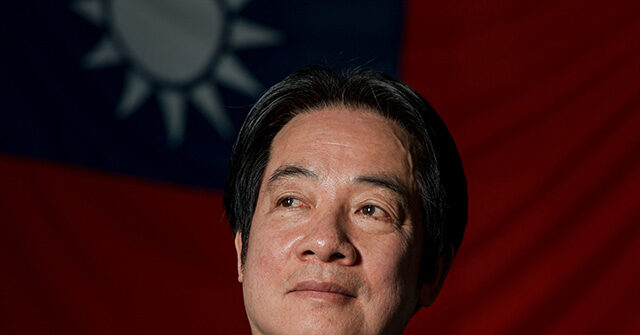 China Offers Energy Security if Taiwan Accepts ‘Reunification’
breitbart.com
China Offers Energy Security if Taiwan Accepts ‘Reunification’
breitbart.com
China offers Taiwan energy security in exchange for reunification, as Middle East supply shocks raise the cost of imported fuel and insurance.
China’s Taiwan Affairs Office said on Tuesday it would provide the island with “stable and reliable” energy supplies if Taiwan accepted “peaceful reunification”, framing Beijing as a backstop against shortages triggered by the Iran war and disruption around the Strait of Hormuz. The comments, reported by Breitbart, come as Asian governments scramble to conserve fuel and manage price spikes after attacks on shipping and energy infrastructure pushed crude higher.
The pitch is narrowly tailored to Taiwan’s most exposed dependency. Taiwan imports almost all of its energy, and much of its oil and LNG supply chain is priced not just by cargo availability but by the cost of moving it: war-risk insurance, tanker routing, and the willingness of carriers to enter a contested zone. When insurers pull coverage, a “safe passage” promise from a government does not reopen the market; shipping becomes either unavailable or available only at a premium that shows up as higher electricity and transport costs.
Beijing’s offer also functions as a reminder of the mechanics of blockade without announcing one. If a rise in war-risk premiums can shut down deliveries through Hormuz, the same insurance and routing logic can be applied to the Taiwan Strait. The tool is not a naval cordon alone but a financial one: make the trip uninsurable or uneconomic and the flow slows before any formal interdiction.
Taipei’s immediate response has been to stress buffers rather than accept Beijing’s framing. President William Lai said Taiwan had secured energy supplies for the next two months through diversified imports, including increased purchases from the United States, according to Breitbart. The government also said it would hold retail fuel prices steady for at least another week by absorbing additional costs.
That choice—stability now, fiscal exposure later—mirrors the pattern elsewhere in Asia, where governments have tried to suppress price signals during the Hormuz disruption through subsidies, rationing and emergency powers. It buys time and political calm, but it can also increase vulnerability by encouraging consumption when supply is constrained, while shifting the adjustment into shortages, queues, or sudden policy reversals.
Beijing is advertising the opposite: guaranteed supply in return for political submission. The offer is difficult to evaluate on its own terms because China itself has moved to conserve fuel, including restricting exports of refined products, and because any “mainland supply” would still depend on shipping lanes and insurance markets that are now being repriced daily.
For Taiwan, the episode underlines how quickly energy becomes a strategic variable when commercial risk changes. The island’s near-term plan is measured in weeks of inventory and contracts; Beijing’s proposal is framed as permanent security. The gap between those timelines is where pressure campaigns tend to live.
China’s Taiwan Affairs Office made its case in the language of household electricity and “peak season” blackouts. Taiwan’s government responded with a two-month supply assurance and a promise to keep pump prices unchanged for another week.