
China orders deep bonus cuts at state banks
Pay reform sold as common prosperity, shrinking margins and bad-loan risk make bankers the first buffer
Images
 zerohedge.com
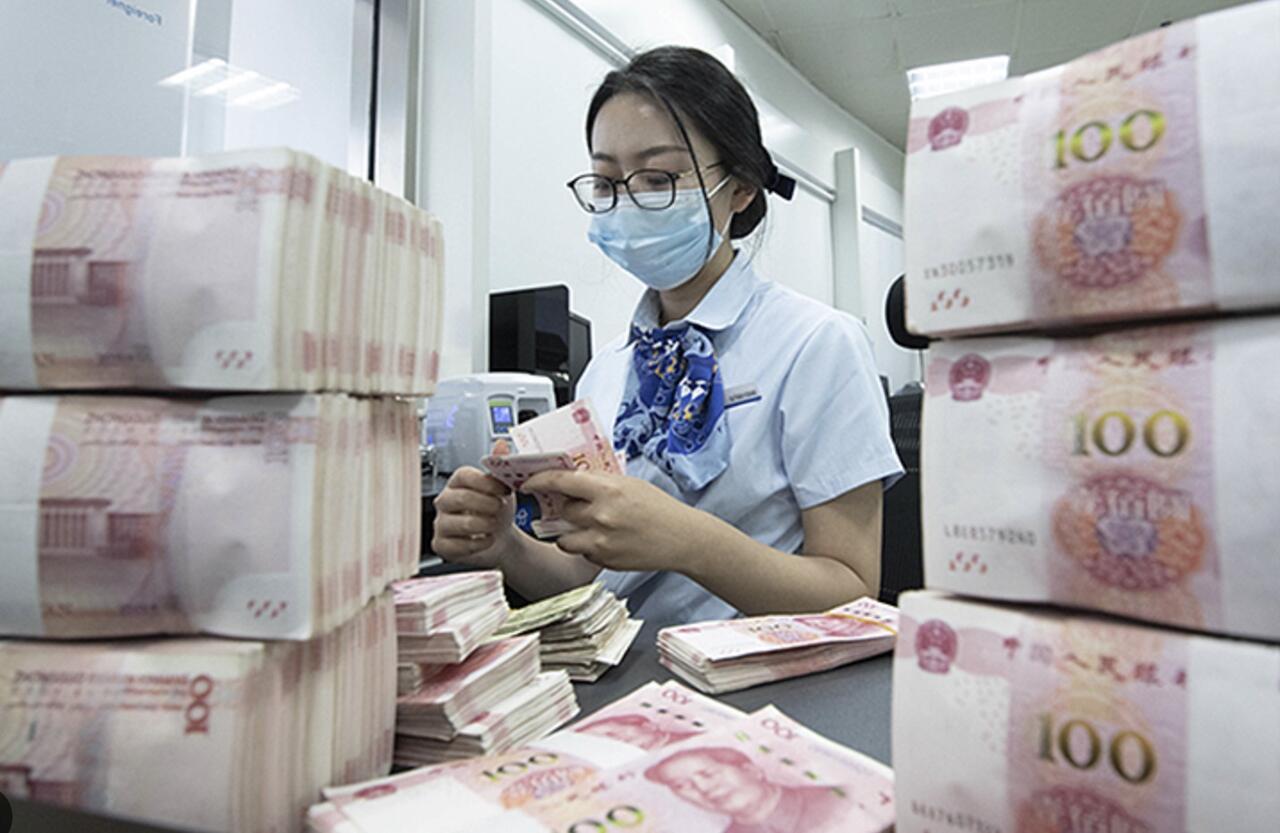
Senior managers at China’s state-owned banks are bracing for another sharp pay reset, with bonuses cut by at least 30% at some institutions and by as much as half at others, according to Bloomberg reporting cited by ZeroHedge. The reductions, applied to 2025 payouts and in some cases made retroactive, land on a sector that Beijing has repeatedly told to serve the real economy rather than enrich itself.
The immediate story is compensation, but the backdrop is balance sheets. Chinese banks reported combined profits of about 2.38 trillion yuan last year, up slightly even as net interest margins have been squeezed and non-performing loans have hovered near record highs, Bloomberg notes. When margins compress, variable pay is one of the few large cost lines that can be adjusted quickly without announcing layoffs or branch closures. Bonuses matter because they typically make up 50% to 70% of managers’ total compensation, so a 30%–50% cut changes behaviour without changing headcount.
Beijing frames the policy as “common prosperity” and an attack on “extravagant lifestyles,” but the measures also tighten political control over risk-taking. In many state-linked firms, top executives are already capped because they are Communist Party officials, and mid-level managers have historically earned more than their nominal bosses. Reworking that structure gives regulators leverage over the layer that signs off on credit, wealth-management products, and internal approvals. Anti-corruption investigations in finance have reinforced the message that personal upside is conditional, while personal downside is not.
The timing matters because China is trying to keep credit flowing while containing the cost of bad loans. If loan losses rise, recapitalisation tends to arrive indirectly: through lower payouts, forced mergers, directed share issuance, or changes in what banks are allowed to pay for deposits and what they must hold as capital. Cutting bonuses is a low-visibility way to conserve cash today and to reduce internal resistance if more intrusive measures follow. It also signals to households and small firms that the state expects banks to absorb part of the slowdown rather than pass it straight on via tighter lending.
Foreign lenders operating in Asia, such as HSBC and Standard Chartered, have been moving in the opposite direction, with bonus pools reportedly up about 10%. The contrast underlines how China’s financial sector is being treated less like a competitive industry and more like a policy instrument.
The reform is being implemented through paperwork: the finance ministry requested compensation overhaul plans from major state-backed institutions, and banks are waiting for approvals while cuts begin to show up in pay slips.