
Engelberg gondola cabin detaches and kills passenger
Titlis Xpress crash triggers multi-agency probe in Swiss resort, operator promises second-by-second data as tourists keep riding
Images
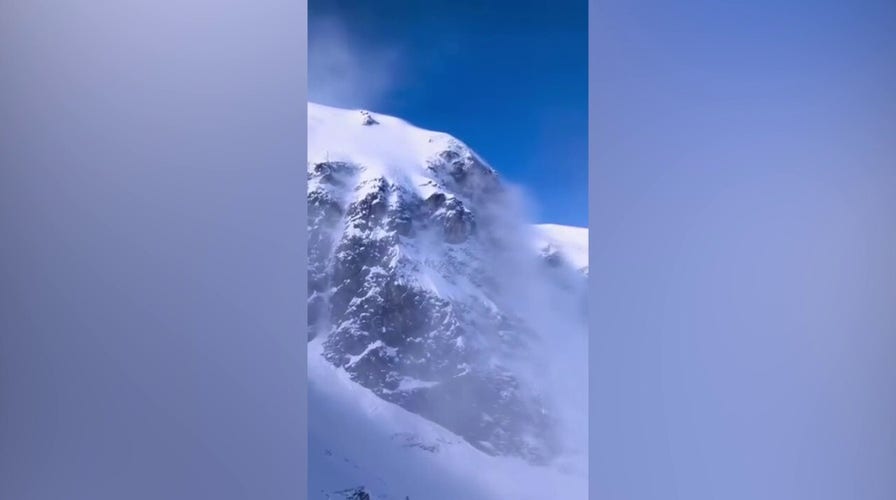 1 dead after gondola crashes down mountain at Swiss ski resort
foxnews.com
1 dead after gondola crashes down mountain at Swiss ski resort
foxnews.com
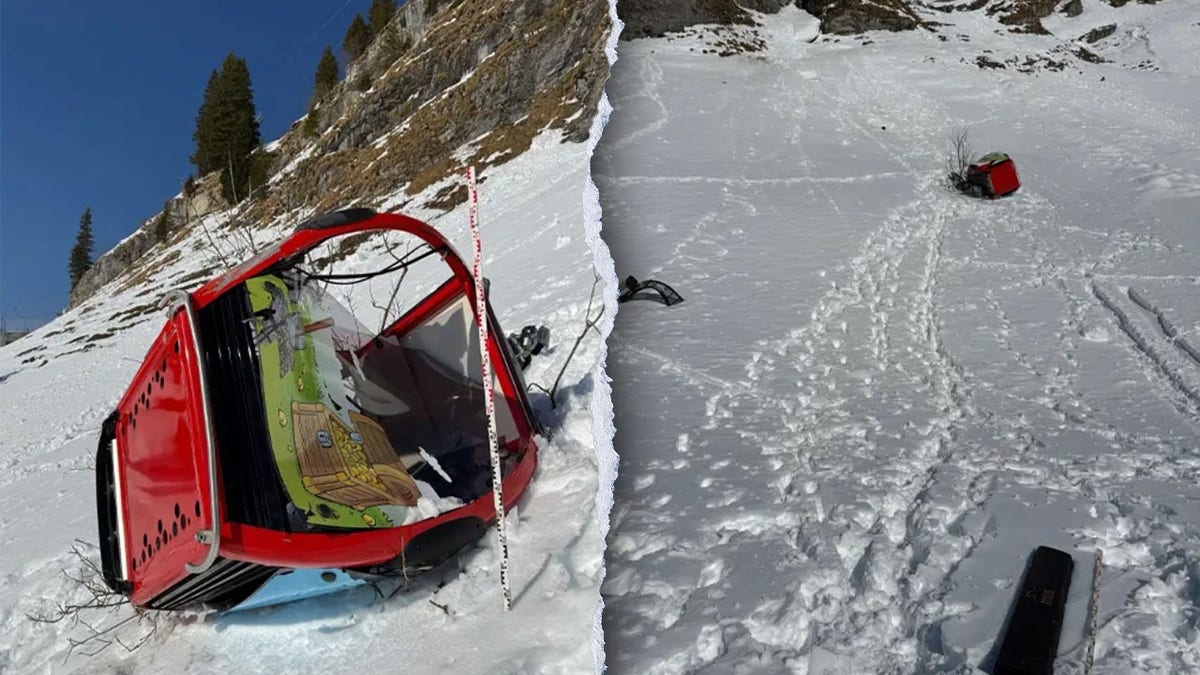 A fatal gondola accident at a Swiss ski resort
foxnews.com
A fatal gondola accident at a Swiss ski resort
foxnews.com
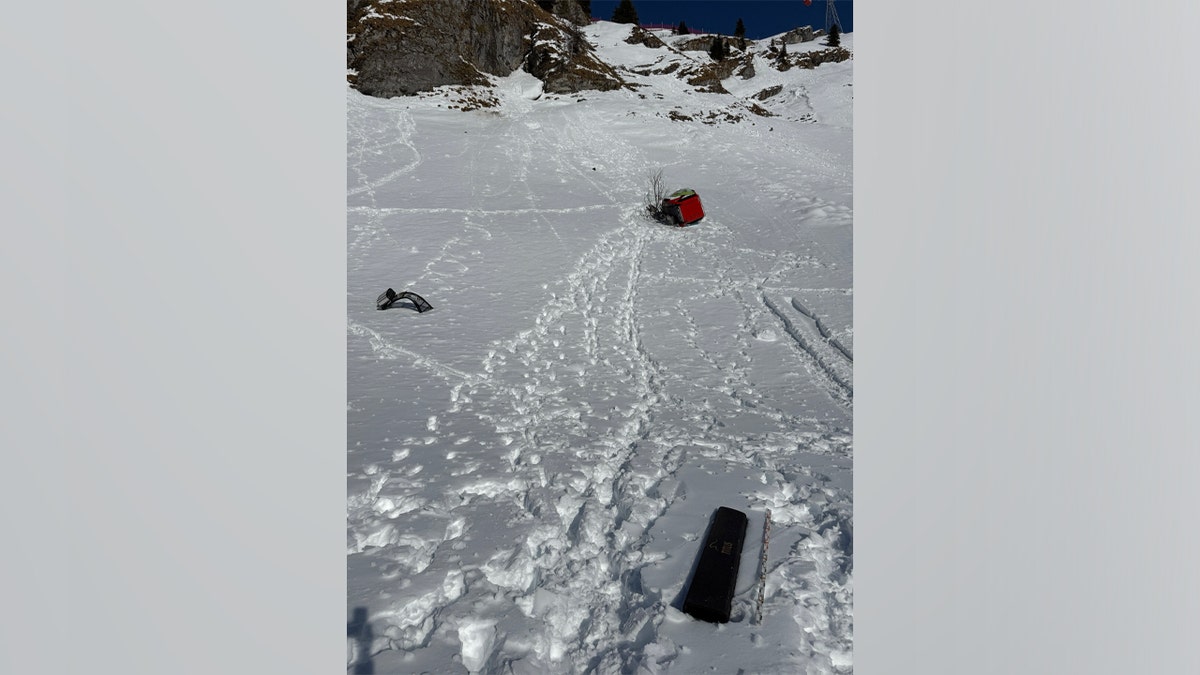 Overview of a gondola that crashed
foxnews.com
Overview of a gondola that crashed
foxnews.com
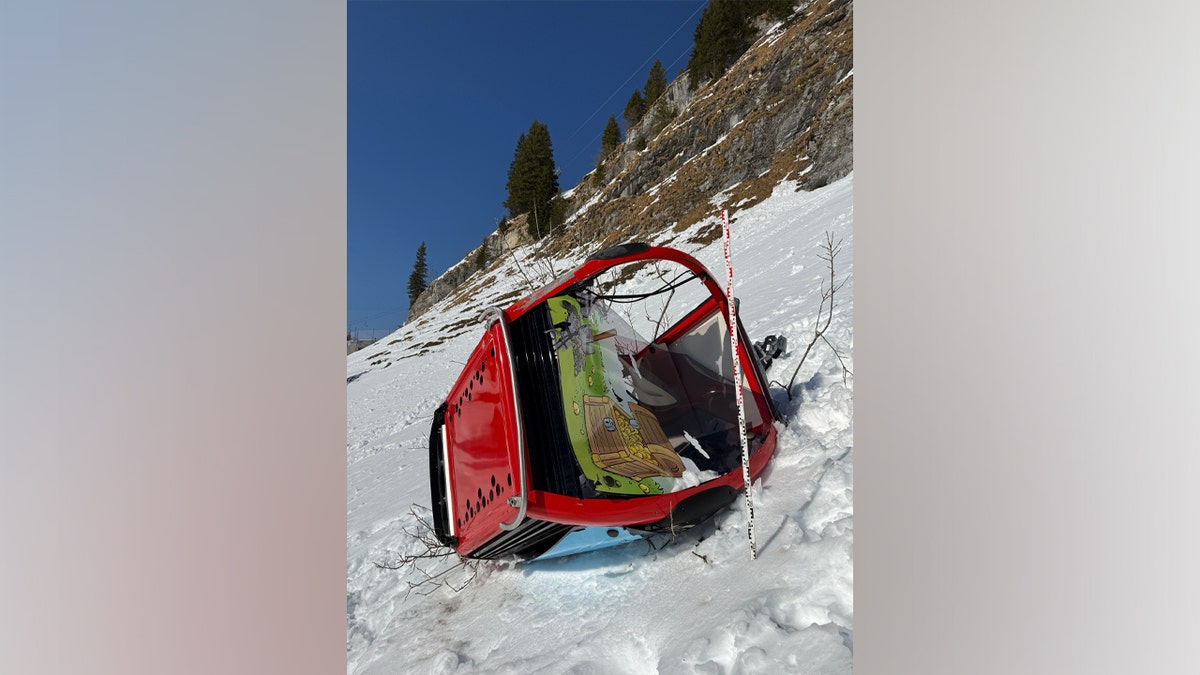 A gondola that crashed at a Swiss ski resort
foxnews.com
A gondola that crashed at a Swiss ski resort
foxnews.com
A cabin on the Titlis Xpress gondola lift at Engelberg in central Switzerland detached from the cable around 11 a.m. on Wednesday and tumbled down a snow-covered slope, killing a 61-year-old woman who was riding alone, according to a statement cited by Fox News and local reports.
Engelberg is not an improvised hillside operation. The Titlis area is a major Swiss ski destination built around cable-car access, timed ticketing and high-throughput lifts that move thousands of people per hour in exposed alpine terrain. That scale is precisely why a single cabin failure becomes more than a local accident: the system is designed to be trusted, used repeatedly, and operated with minimal friction for visitors who assume the hard parts—inspection regimes, maintenance schedules and redundancy—have been settled long before they step into the cabin.
When something “that shouldn’t happen” does happen, the first contest is over the narrative and the data. The CEO of Titlis cable cars, Norbert Patt, told Blick that the incident would be investigated “down to the second” and that the company would provide “all the data without gaps,” while also noting there was a breeze at the time. That promise is also a reminder of how much of modern safety is documentary: sensor logs, maintenance records, contractor sign-offs and compliance paperwork that can be complete on paper while still failing to predict the one mode that matters.
The investigation involves multiple agencies, but responsibility in cable-car infrastructure typically sits across a chain: the operator running daily service, specialist firms maintaining grips and cabins, manufacturers supplying components, and regulators auditing processes at intervals. Each link has a reason to treat the next link’s work as “certified,” because stopping a lift during peak season is expensive and reputationally damaging. The economic pressure is not to ignore safety, but to treat it as a box to be ticked until an event forces a full, public reconstruction.
Several schoolchildren on a ski camp witnessed the crash. A 14-year-old told Blick she was afraid to ride down afterward.
A single cabin detached on a weekday morning. The rest of the lift network still had to decide, in real time, whether the system was safe enough to keep moving people over the same slope.