
Keir Starmer attacks Conservatives over Trafalgar Square prayer row
Badenoch defends Nick Timothy after domination tweet, Labour immigration reforms wobble under Rayner challenge
Images
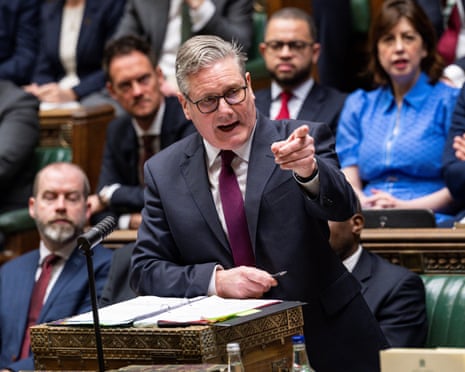 Keir Starmer said of Nick Timothy: ‘If he were in my team he would be gone.’ Photograph: House of Commons/Reuters
theguardian.com
Keir Starmer said of Nick Timothy: ‘If he were in my team he would be gone.’ Photograph: House of Commons/Reuters
theguardian.com
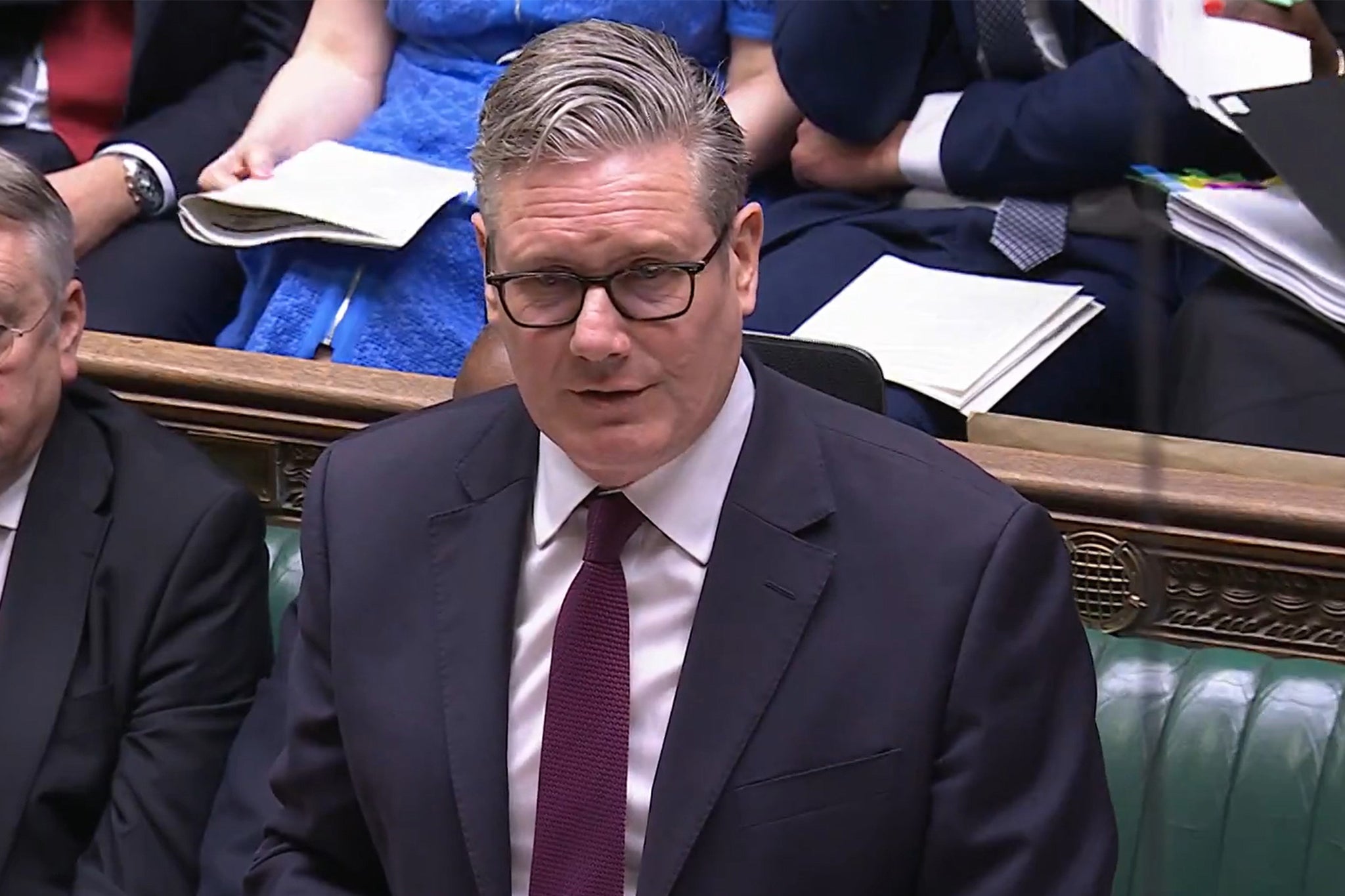 Keir Starmer has refused to commit to his own migration reforms (House of Commons/UK parliament)
House of Commons/UK parliament
Keir Starmer has refused to commit to his own migration reforms (House of Commons/UK parliament)
House of Commons/UK parliament
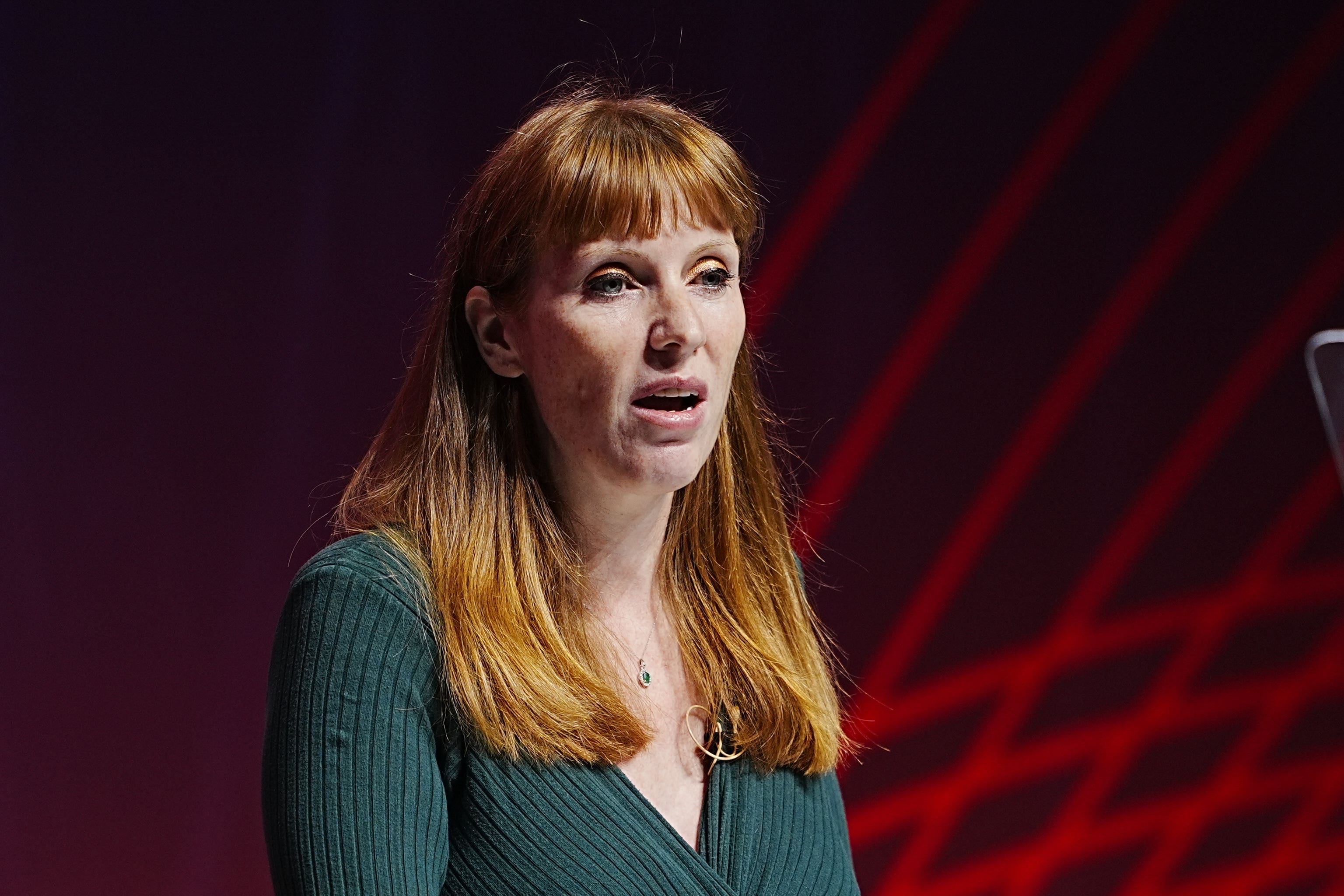 Angela Rayner spoke at an event by campaign group Mainstream (PA)
independent.co.uk
Angela Rayner spoke at an event by campaign group Mainstream (PA)
independent.co.uk
Prime minister Keir Starmer accused the Conservative Party of having “a problem with Muslims” on Wednesday after a senior Tory frontbencher described public Muslim prayer in London as “an act of domination,” according to The Guardian. Starmer called on Conservative leader Kemi Badenoch to sack Nick Timothy, the shadow justice secretary’s spokesperson, after Timothy posted that “mass ritual prayer in public places” followed “the Islamist playbook.”
The row centres on a clip of London mayor Sadiq Khan praying in Trafalgar Square. Badenoch defended Timothy at Prime Minister’s Questions, saying he was “defending British values,” while senior Conservatives including former party co-chair Sayeeda Warsi warned the episode would make British Muslims feel unwelcome and deepen a long-running dispute over alleged Islamophobia inside the party.
At the same time, Downing Street was forced to clarify whether Labour is still committed to a flagship immigration change: doubling the standard route to settlement from five years to ten. The Independent reports the prime minister’s spokesperson repeatedly refused to reaffirm the policy after Angela Rayner—described as a former deputy prime minister—criticised home secretary Shabana Mahmood’s proposals as “un-British” and a “breach of trust” for migrants already in the UK. Government aides later said the position had not changed, but admitted they were still “reviewing” roughly 200,000 consultation responses.
The two disputes show how Westminster’s immigration and integration arguments are increasingly fought on legitimacy and symbolism rather than on administrative capacity. A public prayer event becomes a proxy for who sets norms in shared civic space; a technical change to indefinite leave to remain becomes a test of whether promises to people already resident can be rewritten midstream. Both parties are trying to manage coalitions that pull in opposite directions: voters demanding tighter borders and faster removals, and constituencies—electoral and institutional—that expect protection from sudden rule changes.
That tension encourages a particular kind of politics. Leaders can demand disciplinary action over a tweet, or declare a policy “un-British,” at low immediate cost. The harder questions—how many arrivals the housing market can absorb, how fast removals can be executed, and what the state can realistically police—are slower, more expensive, and easier to defer into consultations, reviews, and “principles and values” language.
In Trafalgar Square, the argument was about a few minutes of prayer. In Whitehall, officials are still counting consultation submissions about who gets to stay permanently and when.