
South Pars gas field comes under Israeli strike
Axios says US approved operation, Qatar calls attack dangerous as energy infrastructure enters target list
Images
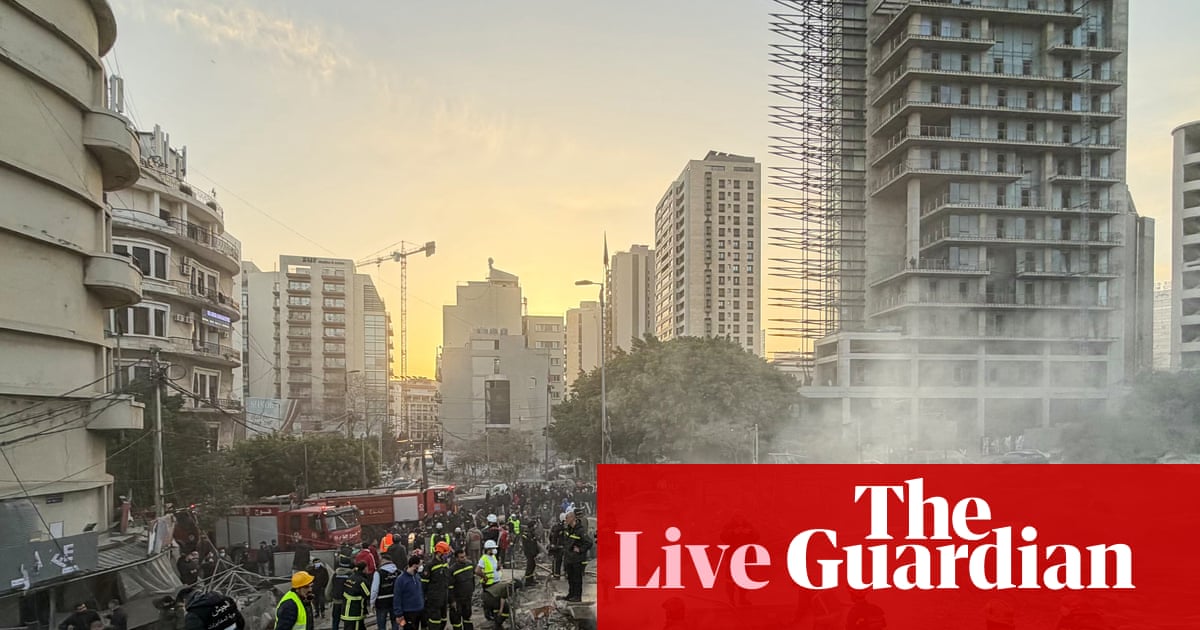 Middle East crisis live: Israel strike on Iranian gas field reportedly coordinated with US; Tehran confirms intelligence minister killed
theguardian.com
Middle East crisis live: Israel strike on Iranian gas field reportedly coordinated with US; Tehran confirms intelligence minister killed
theguardian.com
An Israeli strike on Iran’s South Pars gas field — the world’s largest — was coordinated with and approved by the Trump administration, Axios reported, a claim a US defence official also confirmed, according to the Guardian’s live coverage. Qatar, which shares the same reservoir (its North Field), called the targeting of the site “dangerous and irresponsible”.
South Pars is not a symbolic target. It is the backbone of Iran’s domestic gas supply and a core node in a basin that underwrites Qatar’s LNG exports, a system whose reliability is priced every day by insurers, charterers and trading desks. Hitting a major gas field shifts the war from attacks on discrete “military” assets to pressure on energy infrastructure that markets treat as quasi-civilian: the kind of asset where even limited damage can change maintenance schedules, shipping availability, and contract performance. The immediate effect is not only barrels and molecules lost but a jump in the cost of moving anything near the Gulf — war-risk clauses, higher premiums, tighter underwriting, and more restrictive routing decisions.
That is how an undeclared blockade forms. Shipping does not need a formal closure notice to stop; it needs enough uncertainty that a shipowner’s insurer, or a bank financing cargo, decides the risk is no longer insurable at a tolerable price. The Gulf states, including Qatar, then find themselves paying to manage a conflict they did not initiate: more air-defence readiness, more maritime security, and a higher cost of capital for energy projects whose cashflows depend on uninterrupted export routes.
For Europe, the transmission channel is straightforward. Any perceived threat to Gulf gas supply or LNG loadings pushes buyers into competition for flexible cargoes, while European industry and households absorb the price signal through power markets and downstream inflation. The United States is more insulated by domestic production and geography, but its allies are not; the cost is imported via freight and energy, not troop deployments.
The South Pars strike is also a message to Iran’s retaliatory calculus: attacks on Western-linked infrastructure can be met with attacks on the economic base. What is new is that the message is being delivered in a way that drags third parties — Qatar’s export system, Gulf shipping insurers, European buyers — into the balance sheet.
South Pars sits offshore in the Persian Gulf, shared between Iran and Qatar, and it is now a named target in a war that was previously described as limited.