
ING cuts 1250 jobs
Anti-money-laundering teams targeted as AI replaces manual checks, Dutch banks spend about 1.4 billion euros a year on compliance with unclear payoff
Images
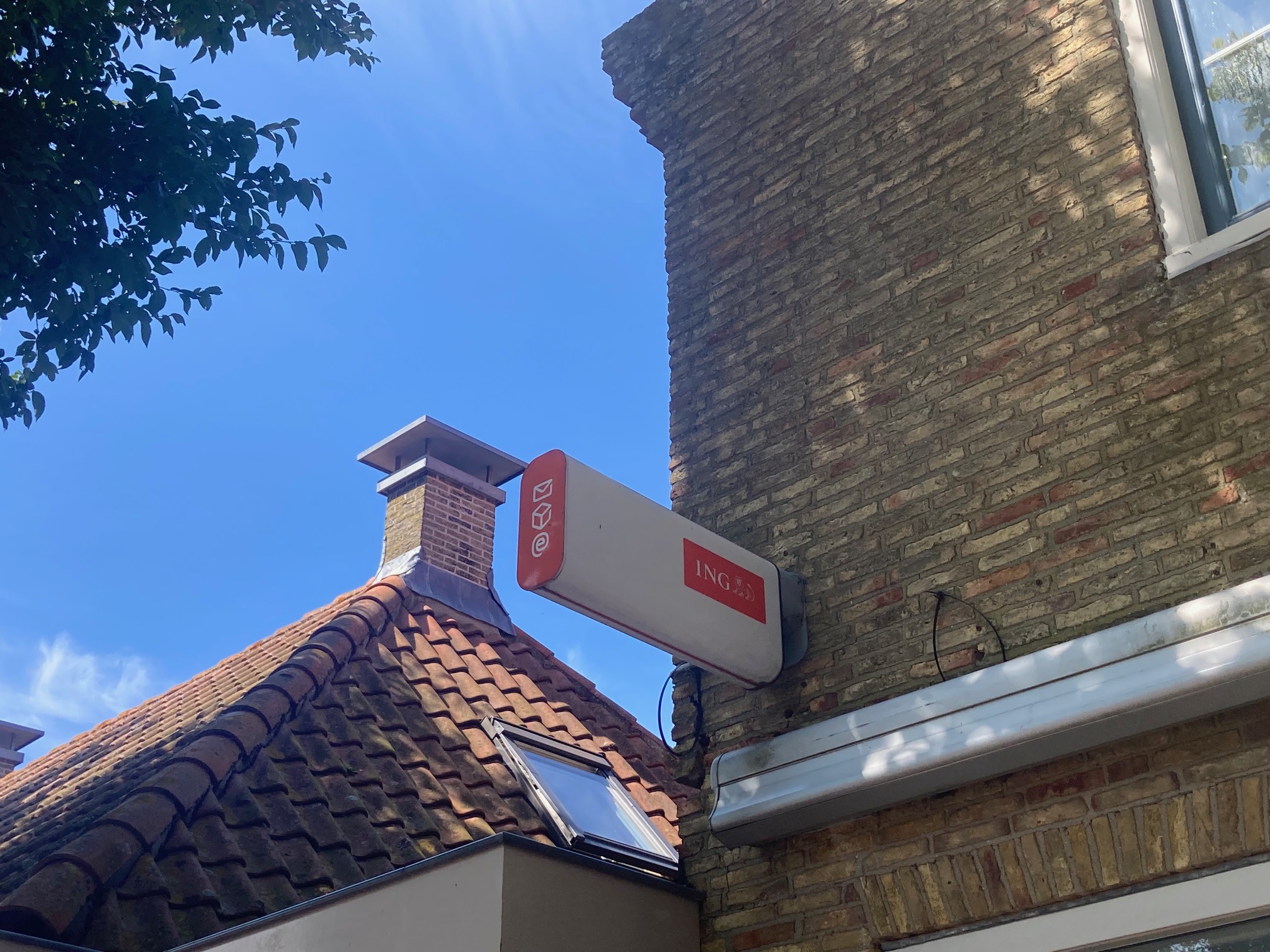 Photo: Dutch News
Dutch News
Photo: Dutch News
Dutch News
ING told investors it plans to cut about 1,250 jobs worldwide this year as part of a cost-saving programme aimed at reducing expenses by €350 million by 2026. According to Dutch News, a significant share of the cuts is expected to come from the bank’s anti-money-laundering (AML) operation, which employs about 6,000 people, with some reductions likely in the Netherlands.
The announcement lands in a Dutch banking sector that has quietly become an AML employer on the scale of a mid-sized industry. The Dutch banking association estimates the country’s big banks employ around 13,000 people—roughly one-fifth of the sector’s staff—full time on money-laundering compliance, at an annual cost of about €1.4 billion. That spending is not driven by customer demand; it is driven by legal obligations to monitor transactions, perform know-your-customer checks, and report “unusual transactions” to the Financial Intelligence Unit, under close supervision by the central bank.
The National Audit Office has questioned whether the system is producing results commensurate with its cost. It estimates €15–€20 billion is laundered in the Netherlands each year, while warning that strict controls can generate large volumes of reports that do not reliably translate into useful investigations. Meanwhile, the same controls can hit ordinary customers hard: banks may ask detailed questions about personal finances or refuse accounts altogether, with the audit office noting disproportionate impact on people with Middle Eastern or eastern European names.
ING’s pitch is that more automation—explicitly including AI—can raise output without raising headcount. That is becoming the standard response. ABN Amro has said it wants to replace 35% of staff in its AML division with AI; ASN Bank and Triodos have also announced job cuts. Yet the underlying logic remains: regulators measure process compliance, banks optimise for passing audits, and the cost is pushed outward through fees, slower onboarding, and more conservative account and credit decisions.
For customers, the practical change is unlikely to be “less compliance” so much as “different compliance”: fewer human reviewers, more automated screening, and more disputes handled through rigid workflows. For banks, the risk is asymmetric—getting flagged for weak controls can bring large fines—so the incentive is to demonstrate activity, not necessarily to deter crime.
ING’s AML department is large enough that shaving headcount now counts as a strategic lever. The bank is betting that the next generation of compliance will be measured in model performance dashboards rather than in staff rosters.