
Petro accuses Ecuador of bombing Colombia
Tariff fight and border insecurity collide, evidence dispute runs through the same institutions under pressure
Images
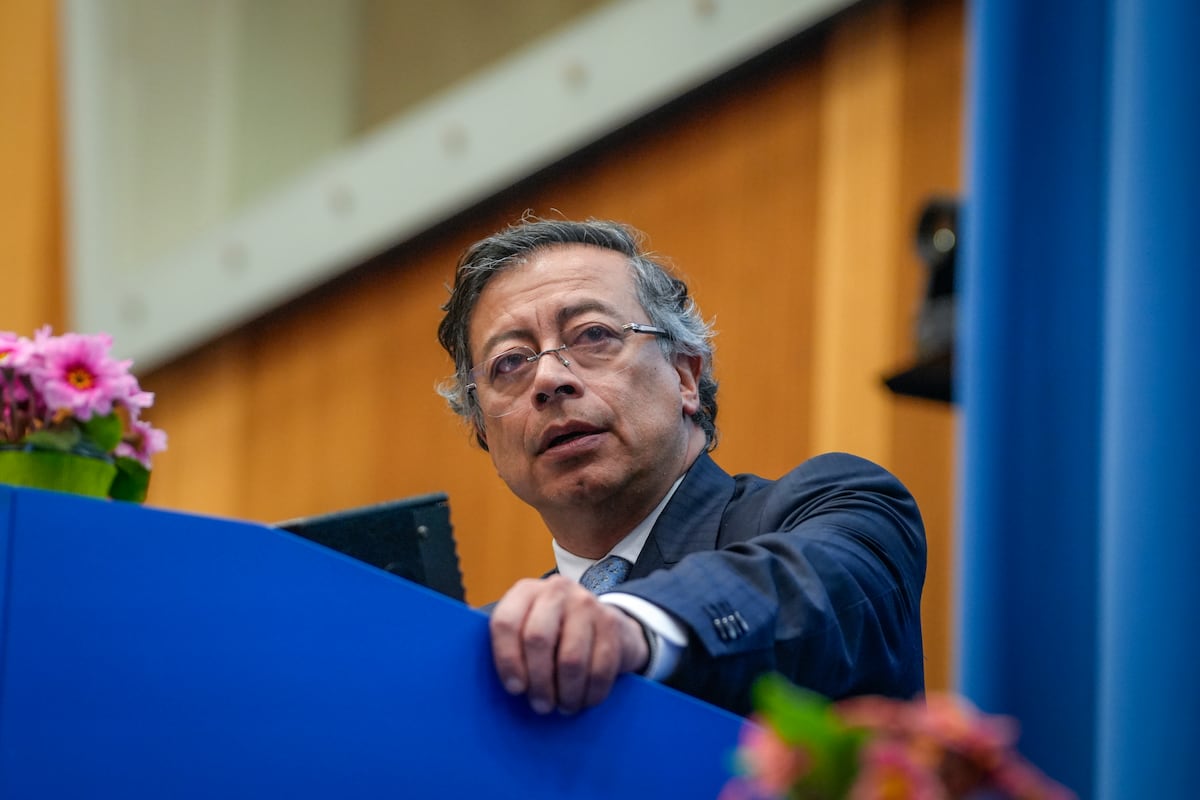 Petro accuses Ecuador of bombing Colombia, sparking a new diplomatic crisis
english.elpais.com
Petro accuses Ecuador of bombing Colombia, sparking a new diplomatic crisis
english.elpais.com
Colombian President Gustavo Petro says Colombia is being bombed from Ecuador, claiming there are 27 charred bodies on the border and insisting the strikes are not the work of Colombian armed groups. Ecuador’s President Daniel Noboa denies crossing into Colombian territory, saying Ecuador is bombing “narco-terrorist structures” inside Ecuador and accusing Petro’s government of allowing criminal groups to operate freely near the frontier, according to El País.
The exchange lands on top of a trade dispute that began in January, when Ecuador imposed a 30% tariff on Colombian imports, citing what it called a lack of reciprocity and insufficient action against drug trafficking and illegal mining along the border. Colombia responded with its own measures, and El País reports tariffs have since escalated to as high as 50% on both sides. The costs are already showing up in places with no vote in the argument: Ecuadorian patients who rely on medicines imported from Colombia are among those hit by the disruption.
Both leaders are also trying to reposition themselves with Washington. El País describes the United States as an “invisible protagonist” in the crisis. Noboa has announced joint anti-drug operations with the US, while Petro has been attempting to repair relations after earlier clashes with President Donald Trump. Petro says he asked Trump to call Noboa to prevent escalation, presenting US attention as a kind of insurance policy against conflict.
What neither side can easily supply is verifiable evidence that would settle the central claim. A cross-border airstrike leaves traces—crater patterns, shrapnel signatures, flight logs, radar records—but access to those records sits with state institutions and military chains of command that are now publicly accusing each other. Even the location and date of the alleged incident are unclear in Petro’s account, El País notes, making independent verification harder.
In the meantime, the incentives are obvious. Leaders facing domestic insecurity can export blame across a border at low political cost, while the price of prolonged hostility is paid through trade friction, disrupted supply chains, and a border zone where armed groups and smugglers adapt faster than ministries. If the bombings did occur, the next fight will be over who is allowed to document them.
Petro raised the allegation in a televised cabinet meeting. Noboa answered in an interview and a post on X.