
Argentina exits WHO
Milei government cites health sovereignty after Covid disputes, cooperation shifts to bilateral deals as Geneva rules persist
Images
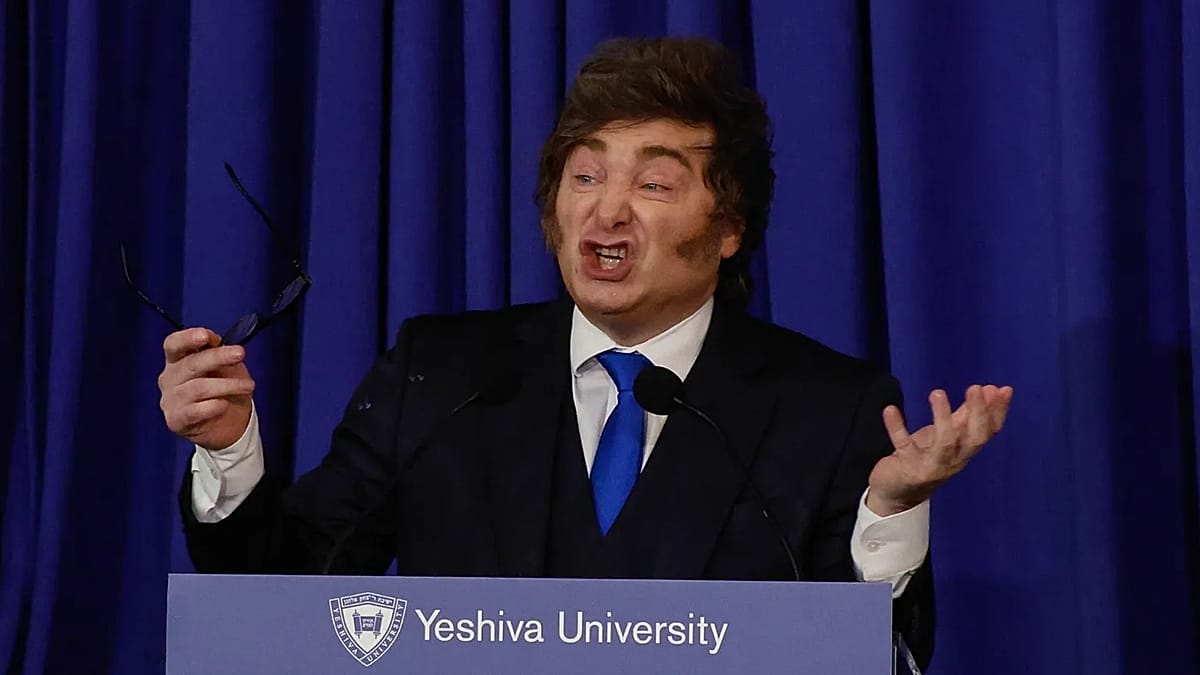 Argentina has officially left the World Health Organization
euronews.com
Argentina has officially left the World Health Organization
euronews.com
Argentina’s withdrawal from the World Health Organization took legal effect on 17 March, one year after Buenos Aires notified the UN secretary-general of its intention to leave, according to Euronews and a statement by Foreign Minister Pablo Quirno. President Javier Milei’s government framed the move as a matter of “health sovereignty” after what it calls “profound differences” with the WHO during the Covid-19 pandemic. Officials say Argentina will continue international health cooperation through bilateral and regional agreements.
The practical question is what the country is giving up—and what it expects to stop paying for. WHO membership is not just a seat in Geneva; it is access to surveillance networks, technical guidance, and the legitimacy that comes from aligning national decisions with a global body that many governments cite when justifying domestic measures. During pandemics, that legitimacy can be politically valuable: restrictions, procurement choices, and emergency powers are easier to sell when they come with an external stamp. Leaving removes a ready-made shield for ministers who want to say they are “following international guidelines,” but it also removes a convenient scapegoat when guidance proves wrong or inconsistent.
The benefits are unevenly distributed. Large states with strong public-health agencies can often replicate the WHO’s analytical functions and negotiate directly with suppliers; smaller or poorer states lean more heavily on pooled expertise and reputational signalling. Argentina is not a microstate, but it is a country with recurring fiscal crises, fragmented governance, and a health system that depends on stable imports and data flows. The government argues it can replace multilateral channels with targeted deals—an approach that can work when partners see clear mutual gain, and fail when cooperation is mostly about shared norms rather than contracts.
The timing also matters. Euronews notes that the US exited the WHO in January, giving Milei political cover from a major ally of convenience, even if Washington’s decision was driven by its own domestic fights. But global health bodies do not disappear when a member leaves; they continue to set reference points for travel rules, outbreak reporting, and donor priorities. A country outside the room still faces the consequences of decisions made inside it—just without a vote and with less access to informal coordination.
Quirno’s announcement was a short post on X. The WHO’s budget line item disappears immediately; the need for vaccines, labs, and border health controls does not.