
US counterterrorism chief Joe Kent resigns
Public letter blames Israel and media for Iran war decision, classified disputes spill into career signalling
Images
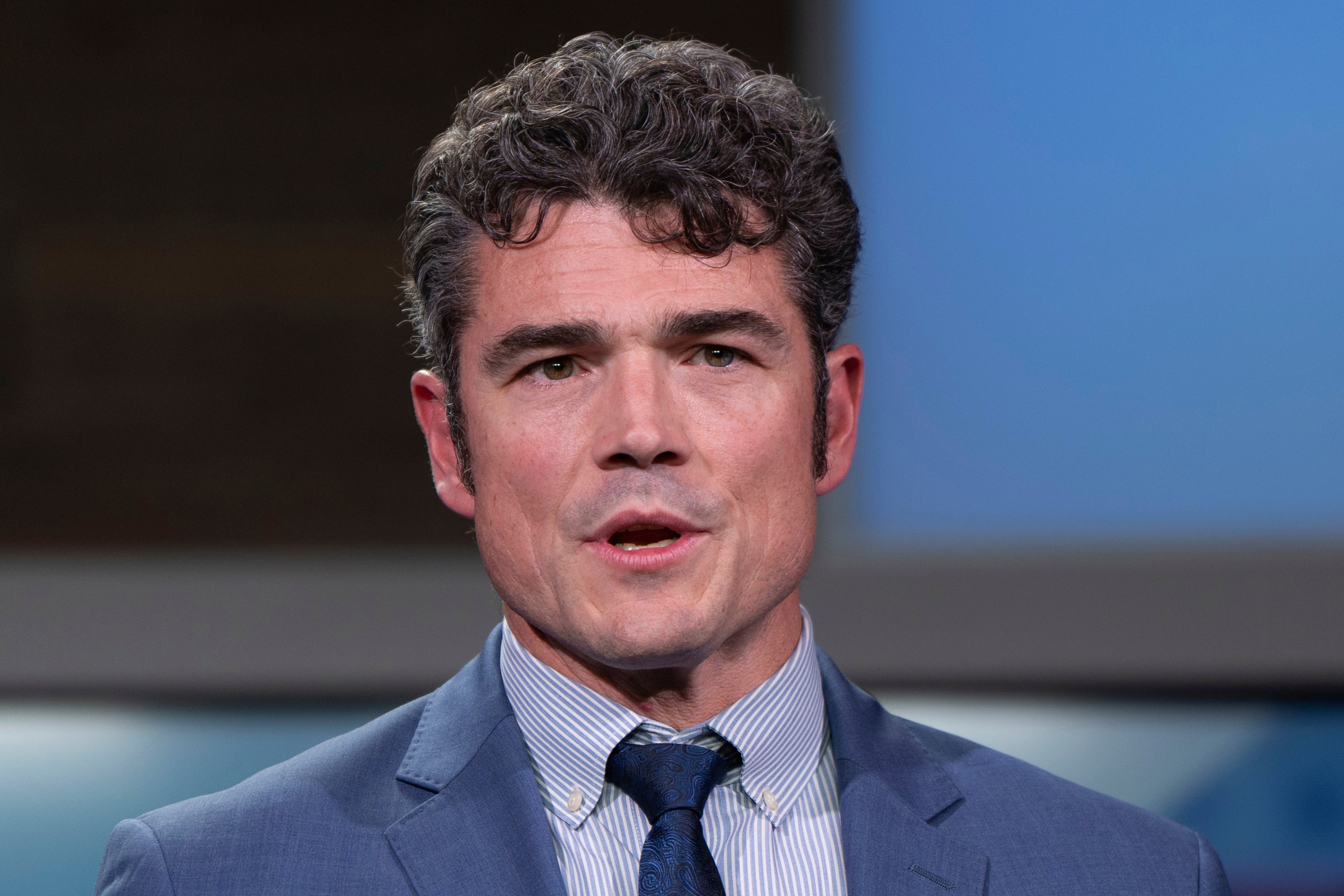 A former political candidate with connections to right-wing extremists, Kent was confirmed to his post last July on a 52-44 vote (AP)
independent.co.uk
A former political candidate with connections to right-wing extremists, Kent was confirmed to his post last July on a 52-44 vote (AP)
independent.co.uk
Joe Kent, the director of the US National Counterterrorism Center, resigned on Tuesday with a letter accusing President Donald Trump of starting a war with Iran under Israeli pressure. In the letter published by The Independent, Kent wrote that he “cannot in good conscience support the ongoing war in Iran,” arguing Iran posed “no imminent threat” and that a “misinformation campaign” by “high-ranking Israeli officials” and “influential members of the American media” pushed the administration toward conflict. Kent, 45, was confirmed to the post last July on a 52–44 Senate vote.
The resignation matters less as a single personnel change than as a public signal inside a security bureaucracy built to survive political whiplash. The National Counterterrorism Center sits at the intersection of intelligence, analysis and interagency coordination; its senior officials typically traffic in classified assessments and internal dissent channels. Kent instead chose a public exit that reads like a positioning document: it names villains, asserts a causal story, and frames his decision as a moral line rather than a policy dispute.
That kind of letter does several jobs at once. It protects the author against future blame if the war expands or goes badly, by creating an on-the-record paper trail of opposition. It advertises a brand to outside audiences—donors, media bookers, think tanks, future campaigns—by translating internal disagreement into a narrative with clear protagonists. And it sends a message to subordinates about which faction is safe to align with when the political leadership’s direction becomes contested: not necessarily the chain of command, but the coalition that will be able to claim foresight later.
Kent’s text also illustrates how “national security” arguments are fought when evidence is hard to publish. He asserts that Iran was not an imminent threat and that the administration was deceived, but offers no underlying intelligence. The public is left to weigh competing claims without access to the key inputs, while institutions that control classification retain discretion over what can be shown, when, and by whom.
Kent closes by telling Trump he can “reverse course” or allow the country to “slip further toward decline and chaos,” and adds: “You hold the cards.” The director of the National Counterterrorism Center resigned with a letter aimed not at an internal file but at an external audience.