
Disney World cracks down on third-party princess makeover vendors
Cease-and-desist letters cite safety and guest experience, resort access becomes the product being sold
Images
.png) Visitors may have fewer independent options for personalized experiences at Disney World, as outside vendors previously filled gaps when Disney services were fully booked (Getty Images)
Getty Images
Visitors may have fewer independent options for personalized experiences at Disney World, as outside vendors previously filled gaps when Disney services were fully booked (Getty Images)
Getty Images
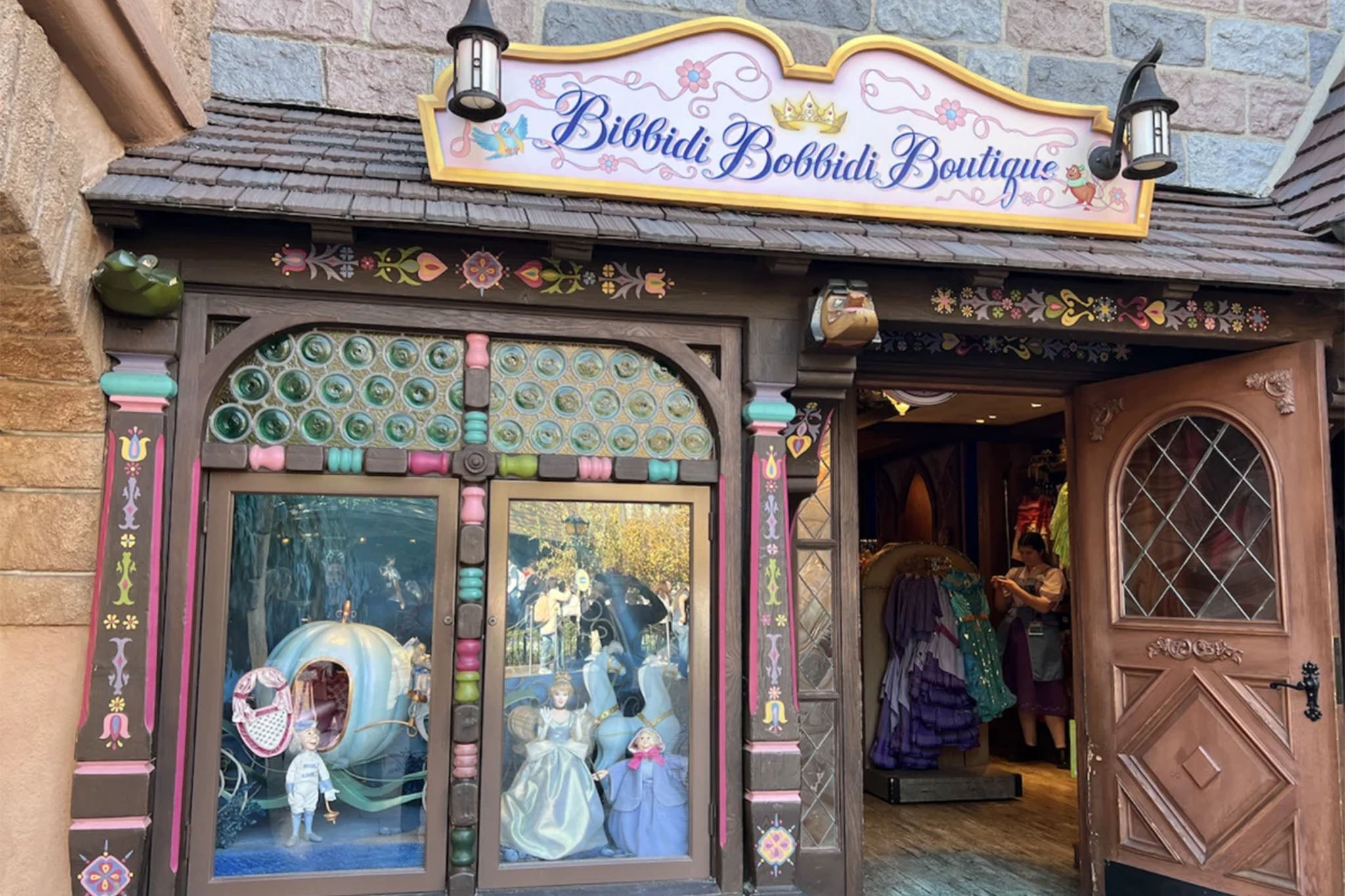 One vendor who offers princess makeovers said demand stayed high even after the official Bibbidi Bobbidi Boutique reopened following COVID-19 closures (Disneyland)
Disneyland
One vendor who offers princess makeovers said demand stayed high even after the official Bibbidi Bobbidi Boutique reopened following COVID-19 closures (Disneyland)
Disneyland
Disney World security has begun issuing cease-and-desist letters to independent “princess makeover” vendors who had been styling children inside resort hotels, according to The Independent, citing reporting by The Washington Post. The letters tell businesses to stop operating on Disney property, remove Disney references from marketing, and warn that on-site service could be treated as trespassing, potentially involving law enforcement.
The businesses targeted are not selling counterfeit Mickey ears; many are service providers—hair and makeup stylists, photographers, bakers, decorators—who built a clientele among families staying at Disney-owned hotels. The Post, as summarized by The Independent, describes a wave of ventures that started during the pandemic, when furloughed Disney workers turned their park-honed skills into off-site income. When Disney’s own Bibbidi Bobbidi Boutique was closed or fully booked, parents paid outsiders for in-room “princess” and “pirate” transformations, or for custom breakfasts and celebration setups delivered to hotel rooms.
Disney’s argument is familiar: safety, operations, and “Guest experience.” It says it has seen an increase in unauthorized third-party vendors at resort hotels, and that such activity can create security and logistical problems. But the practical effect is also a tightening of control over the most valuable part of Disney’s business model: access. Disney can raise ticket prices, require reservations, restrict food and merchandise rules, and now decide which services may be performed on its property—turning hotel corridors and lobbies into managed commercial space where outside competition is framed as an operational risk.
The vendors describe a market created by scarcity. When Disney-run services are booked out, a parent’s choice is not between Disney and a competitor; it is between a disappointed child and a paid workaround. That is why the crackdown lands hardest on families who cannot secure official reservations, and on small operators whose entire product is proximity to the customer’s hotel room. One stylist, Sheila Campion of As You Wish Magical Experiences, told the Post she had to call families to cancel because she could no longer work on Disney property; she described mothers crying when they learned there were no remaining official options.
A baker, Ashlee Santmyers, said she had nearly 200 orders on the books when she received a letter and took out a small business loan to issue refunds, according to the report. Her business now shifts to non-Disney locations and more shippable products—an adaptation that illustrates the point of the enforcement: Disney does not need to win the off-property market, only to keep the on-property one clean.
For Disney, the resort is not just a destination; it is a privately governed district where rules are written, enforced, and monetised by one entity. For the vendors, the value was never the makeup brush or the cupcake—it was the ability to walk through a Disney hotel door.
The letters, reviewed by The Washington Post, warn that providing services on Disney property may be treated as trespassing. The “magic,” in this case, is enforced by property law.