
Iran confirms Ali Larijani killed in Israeli strike
Senior security chief removed after Khamenei assassination, Europe pays risk premium as war expands beyond communiqués
Images
 Ali Larijani had been a key power broker internationally and domestically in recent months (AP)
independent.co.uk
Ali Larijani had been a key power broker internationally and domestically in recent months (AP)
independent.co.uk
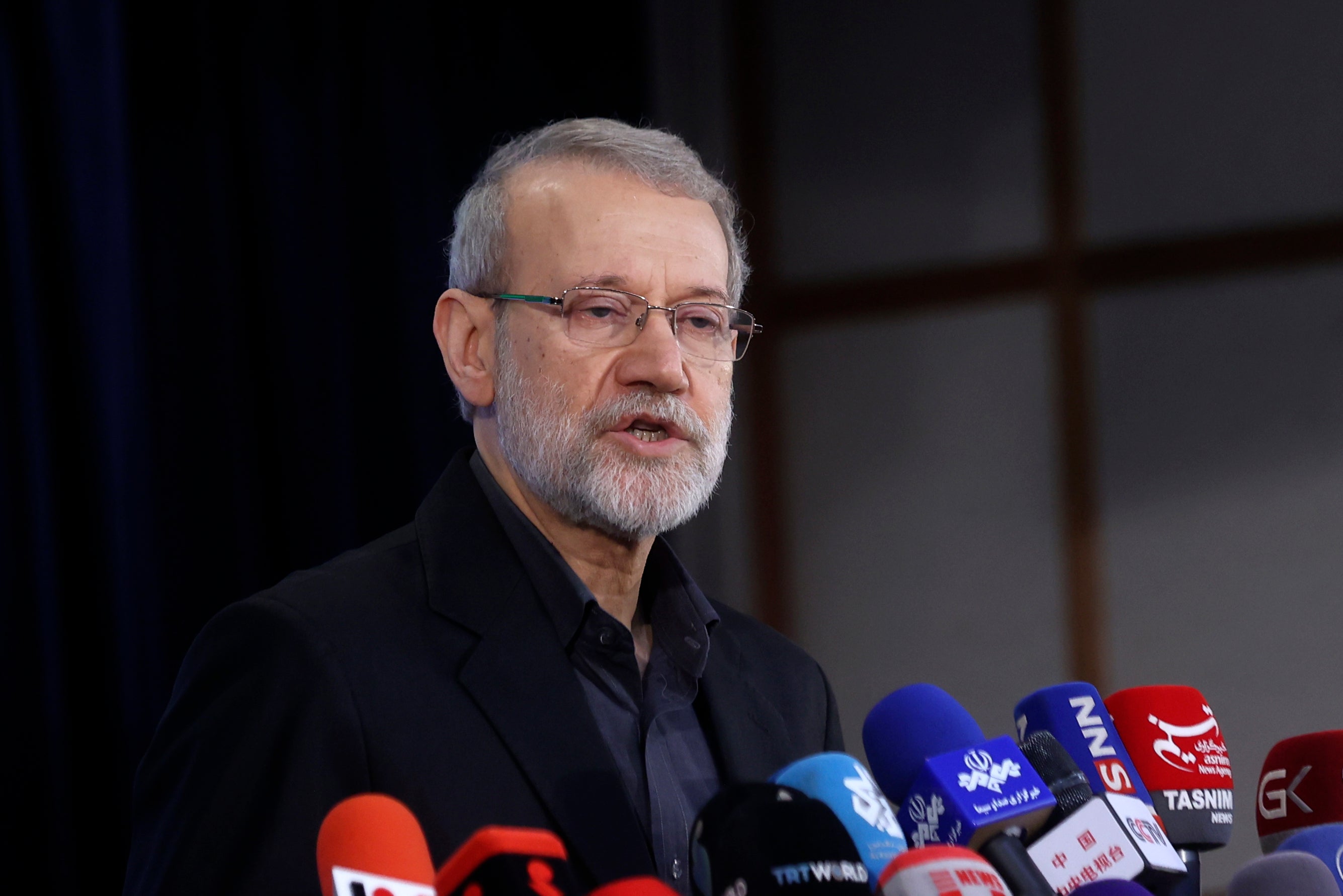 Larijani was among the first officials to call for violence against demonstrators in the uprising in Iran (AP)
independent.co.uk
Larijani was among the first officials to call for violence against demonstrators in the uprising in Iran (AP)
independent.co.uk
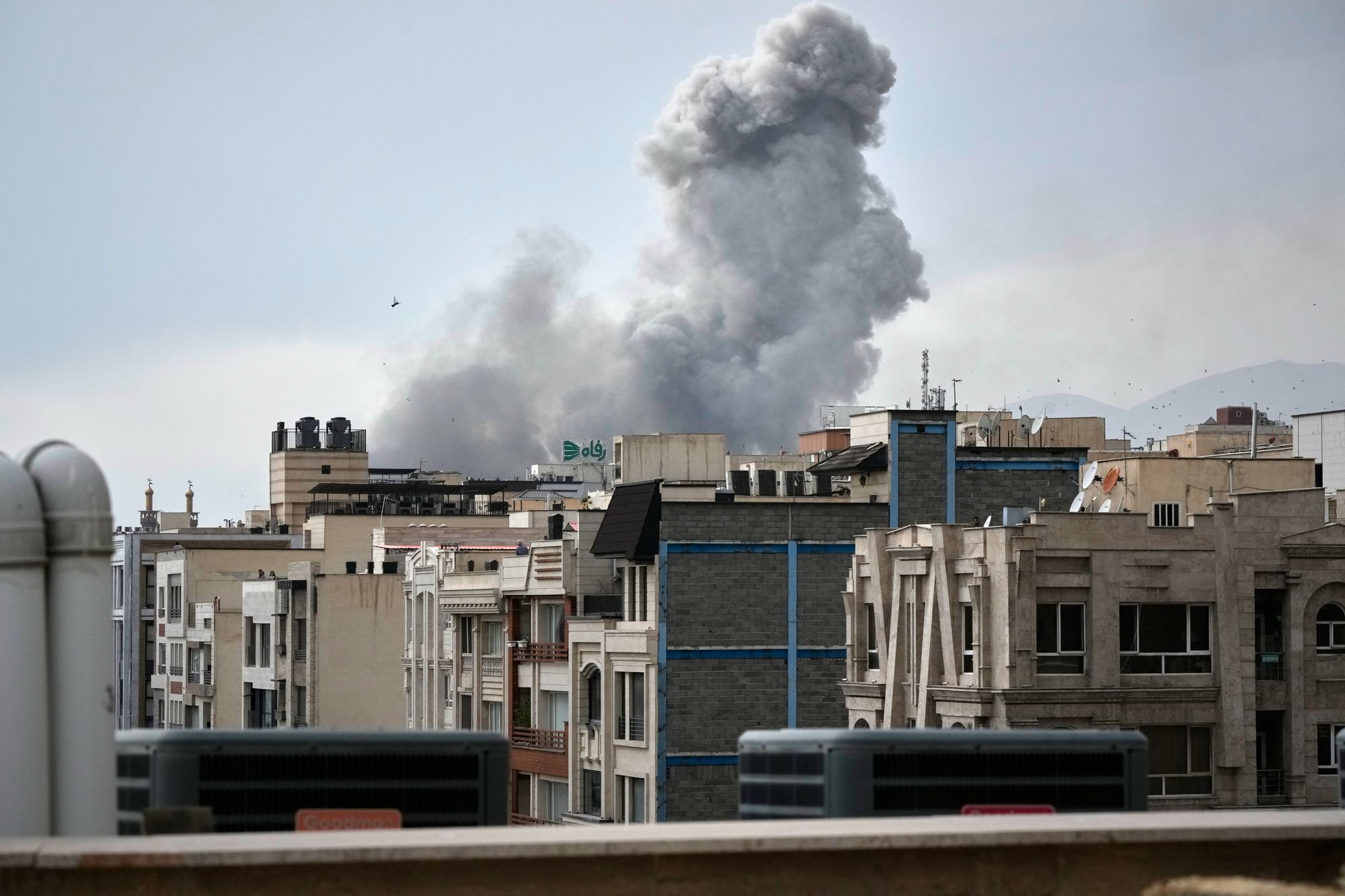 Smoke billows after a US-Israeli strike in Tehran during the first week of the conflict (AP)
independent.co.uk
Smoke billows after a US-Israeli strike in Tehran during the first week of the conflict (AP)
independent.co.uk
Iranian state media confirmed on Tuesday that Ali Larijani, the country’s top security official, has been killed in an Israeli strike in Tehran, according to The Independent. Israel said the attack hit a “hideout apartment” overnight; Israel’s defence minister Israel Katz also claimed the Basij paramilitary commander Gholamreza Soleimani was killed in a separate strike. The deaths come days after the conflict’s opening blow that killed Supreme Leader Ayatollah Ali Khamenei, leaving Europe watching a widening war while paying for it at the pump.
Larijani was not a battlefield commander but a power broker: a former state broadcaster chief, a former nuclear negotiator, and—most recently—head of Iran’s Supreme National Security Council, The Independent reports. In the vacuum after Khamenei’s assassination, he was widely seen as a plausible centre of gravity even after Khamenei’s son Mojtaba was named supreme leader. Removing that kind of figure is not just about degrading operational capability; it is about collapsing decision-making bandwidth and forcing a regime to spend its remaining attention on internal control.
For Europe, the immediate consequence is not the name of the next Iranian strongman but the price of keeping tankers moving and aircraft insured. Over the past two weeks, European reporting has tracked how the war’s risk premium has been added to diesel and petrol prices, how insurers are repricing shipping through and around the Strait of Hormuz, and how EU leaders have responded with emergency meetings that do not widen sea lanes or add spare LNG capacity. The physical chokepoints—Hormuz, LNG liquefaction, tanker availability, reinsurance—do not respond to communiqués.
The pattern is familiar: escalation decisions are taken by actors with global reach and forward bases, while the costs are dispersed across allies who host infrastructure, underwrite logistics, and absorb price shocks. The UK’s role illustrates the mechanics. RAF Fairford’s hosting of US B-1 bombers shortens sortie times and expands options, but it also turns British territory into an address for retaliation and requires British air and naval assets to posture nearby. The bill arrives in the most mundane places: freight surcharges, insurance premiums, and household fuel.
European institutions still frame the moment as a test of “strategic autonomy”, but autonomy is not a slogan; it is redundancy. If Europe cannot replace disrupted energy flows quickly, cannot self-insure major maritime risk, and cannot operate without US logistics and basing, then it is not choosing its exposure—it is inheriting it.
On Tuesday, Tehran posted a tribute calling Larijani a “martyr”, while European motorists watched another round of war-driven price moves. The strike was measured in one apartment; the costs are measured in millions of receipts.