
Taliban say Pakistan bombs Kabul rehab hospital
Islamabad calls it precision strike on militant infrastructure, casualty claims become the currency of cross-border war
Images
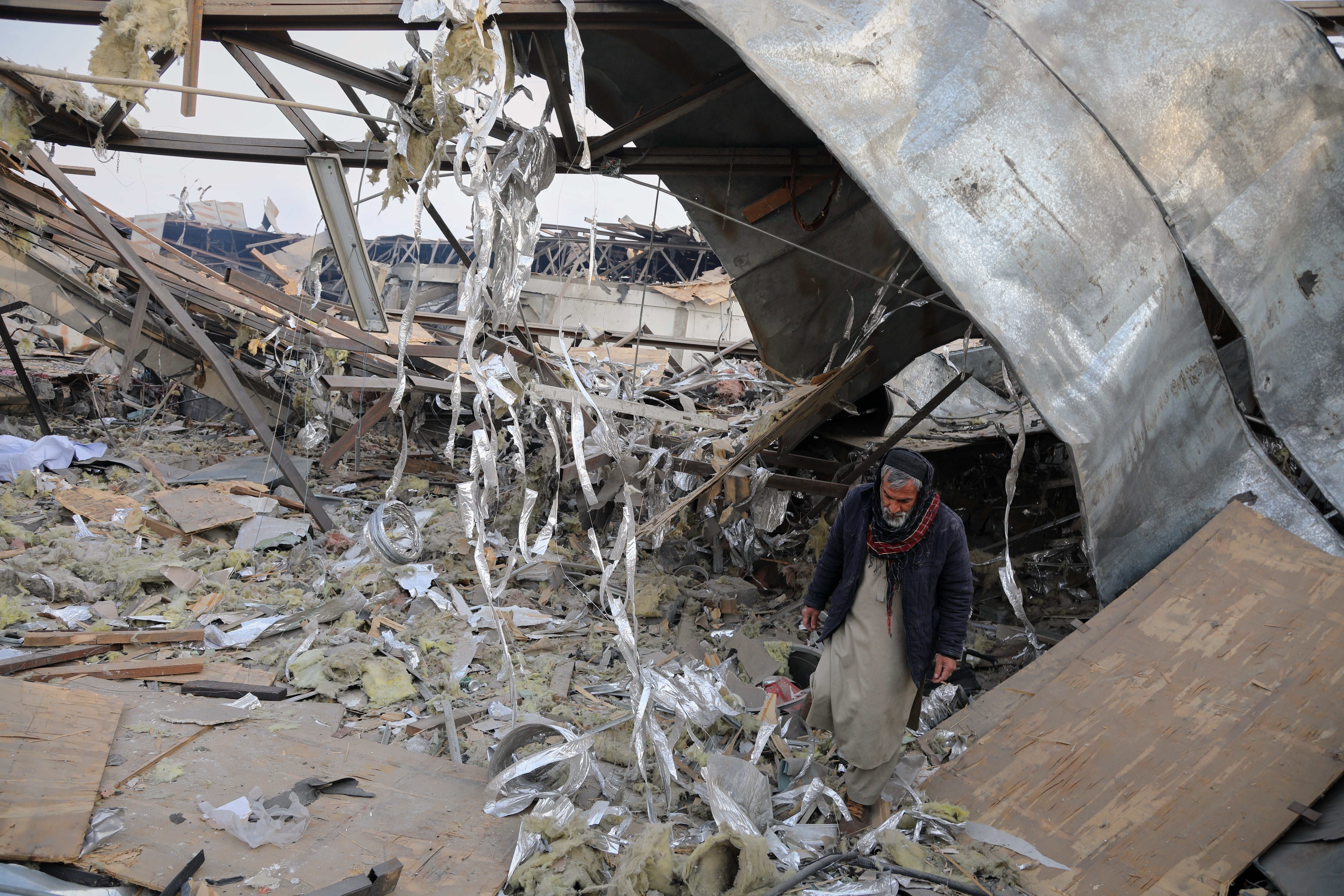 A rescue worker inspects the site of a late-Monday airstrike at a drug rehabilitation hospital in Kabul, Afghanistan, Tuesday, March 17, 2026. (AP Photo/Siddiqullah Alizai) (Copyright 2025 The Associated Press. All rights reserved.)
Siddiqullah Alizai) (Copyright 2025 The Associated Press. All rights reserved.)
A rescue worker inspects the site of a late-Monday airstrike at a drug rehabilitation hospital in Kabul, Afghanistan, Tuesday, March 17, 2026. (AP Photo/Siddiqullah Alizai) (Copyright 2025 The Associated Press. All rights reserved.)
Siddiqullah Alizai) (Copyright 2025 The Associated Press. All rights reserved.)
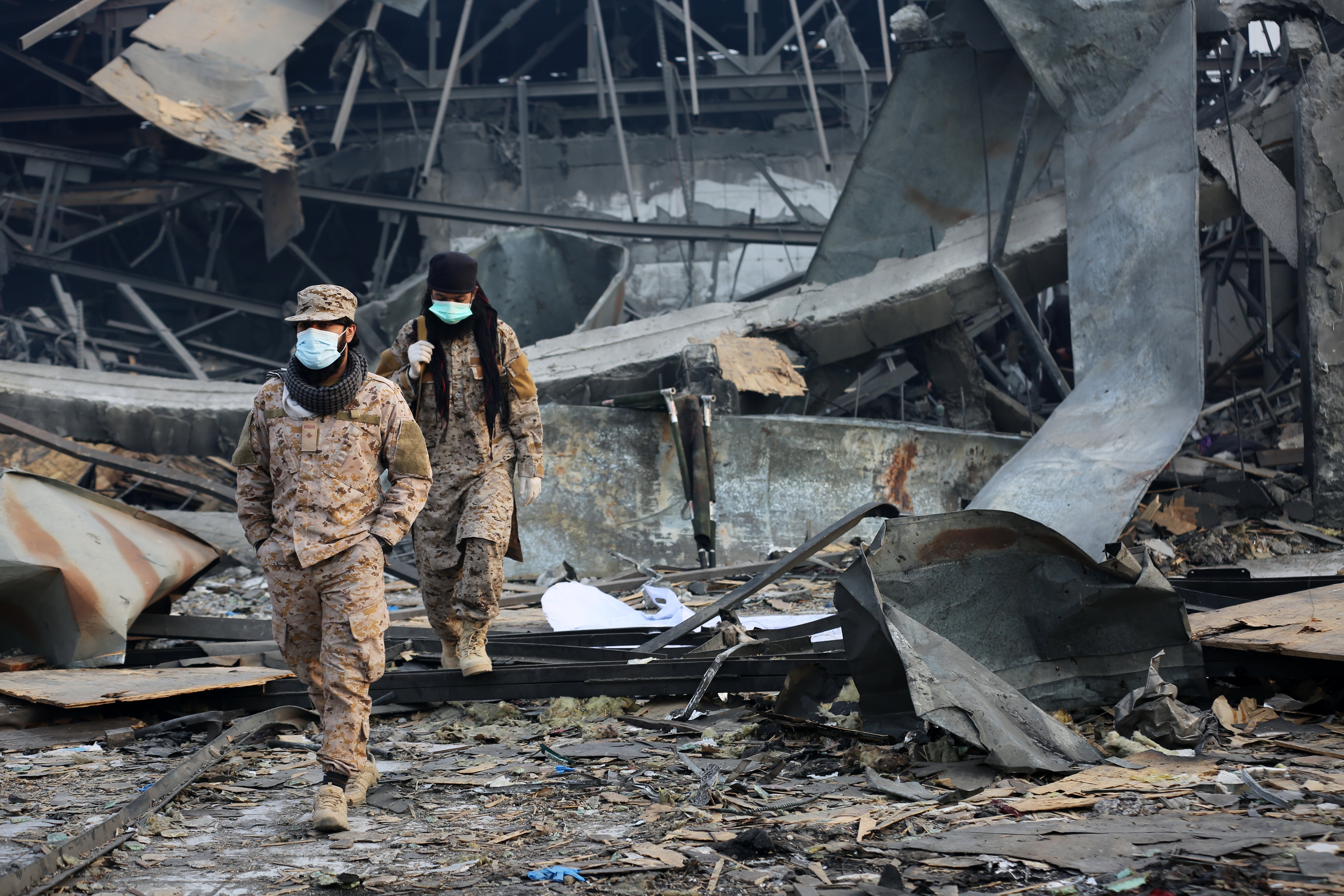 Taliban rescue workers inspect the site of a late-Monday airstrike at a drug rehabilitation hospital in Kabul, Afghanistan, Tuesday, March 17, 2026. (AP Photo/Siddiqullah Alizai) (Copyright 2025 The Associated Press. All rights reserved.)
Siddiqullah Alizai) (Copyright 2025 The Associated Press. All rights reserved.)
Taliban rescue workers inspect the site of a late-Monday airstrike at a drug rehabilitation hospital in Kabul, Afghanistan, Tuesday, March 17, 2026. (AP Photo/Siddiqullah Alizai) (Copyright 2025 The Associated Press. All rights reserved.)
Siddiqullah Alizai) (Copyright 2025 The Associated Press. All rights reserved.)
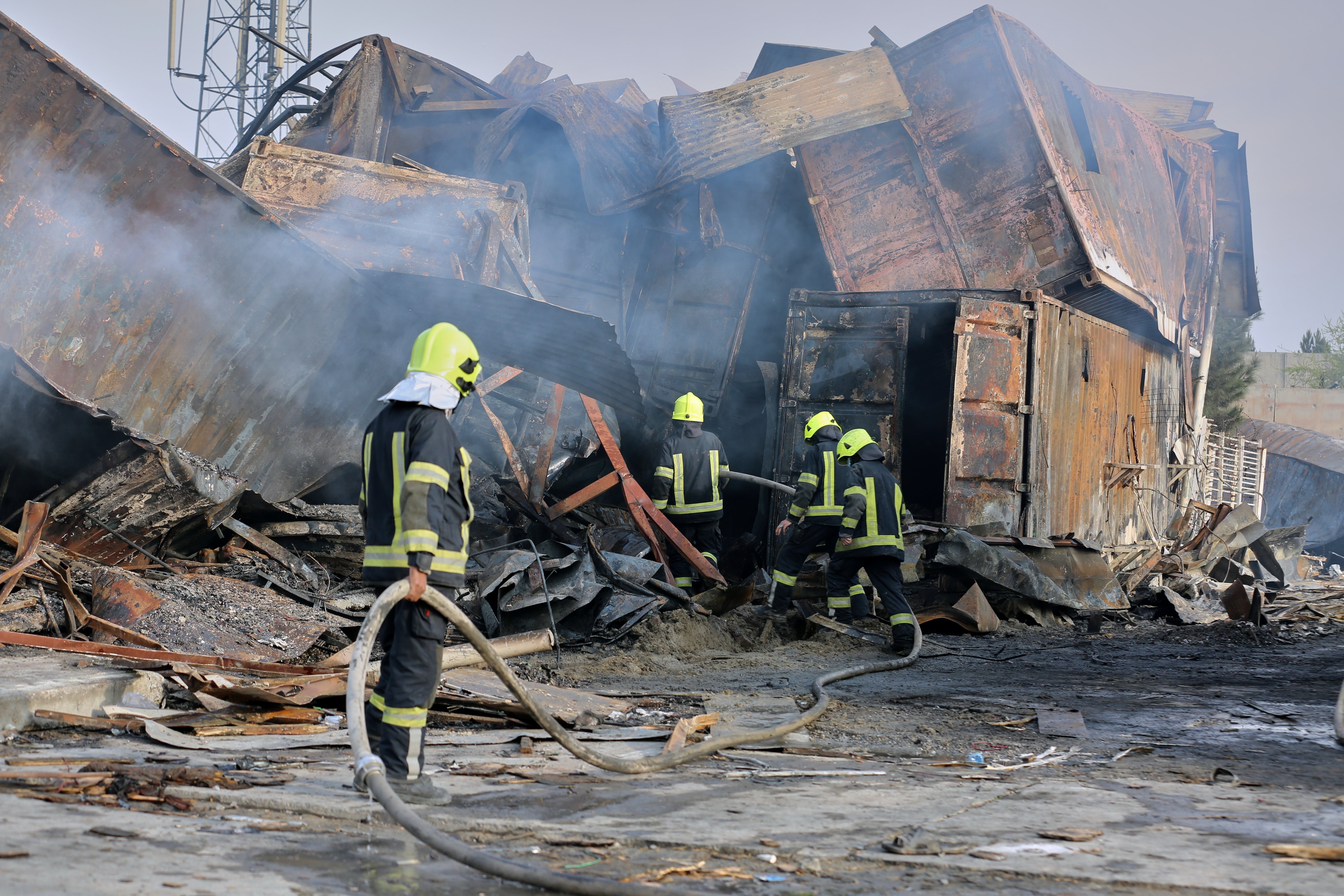 Firefighters work at the site of a late-Monday airstrike at a drug rehabilitation hospital in Kabul, Afghanistan, Tuesday, March 17, 2026. (AP Photo/Siddiqullah Alizai) (Copyright 2025 The Associated Press. All rights reserved.)
Siddiqullah Alizai) (Copyright 2025 The Associated Press. All rights reserved.)
Firefighters work at the site of a late-Monday airstrike at a drug rehabilitation hospital in Kabul, Afghanistan, Tuesday, March 17, 2026. (AP Photo/Siddiqullah Alizai) (Copyright 2025 The Associated Press. All rights reserved.)
Siddiqullah Alizai) (Copyright 2025 The Associated Press. All rights reserved.)
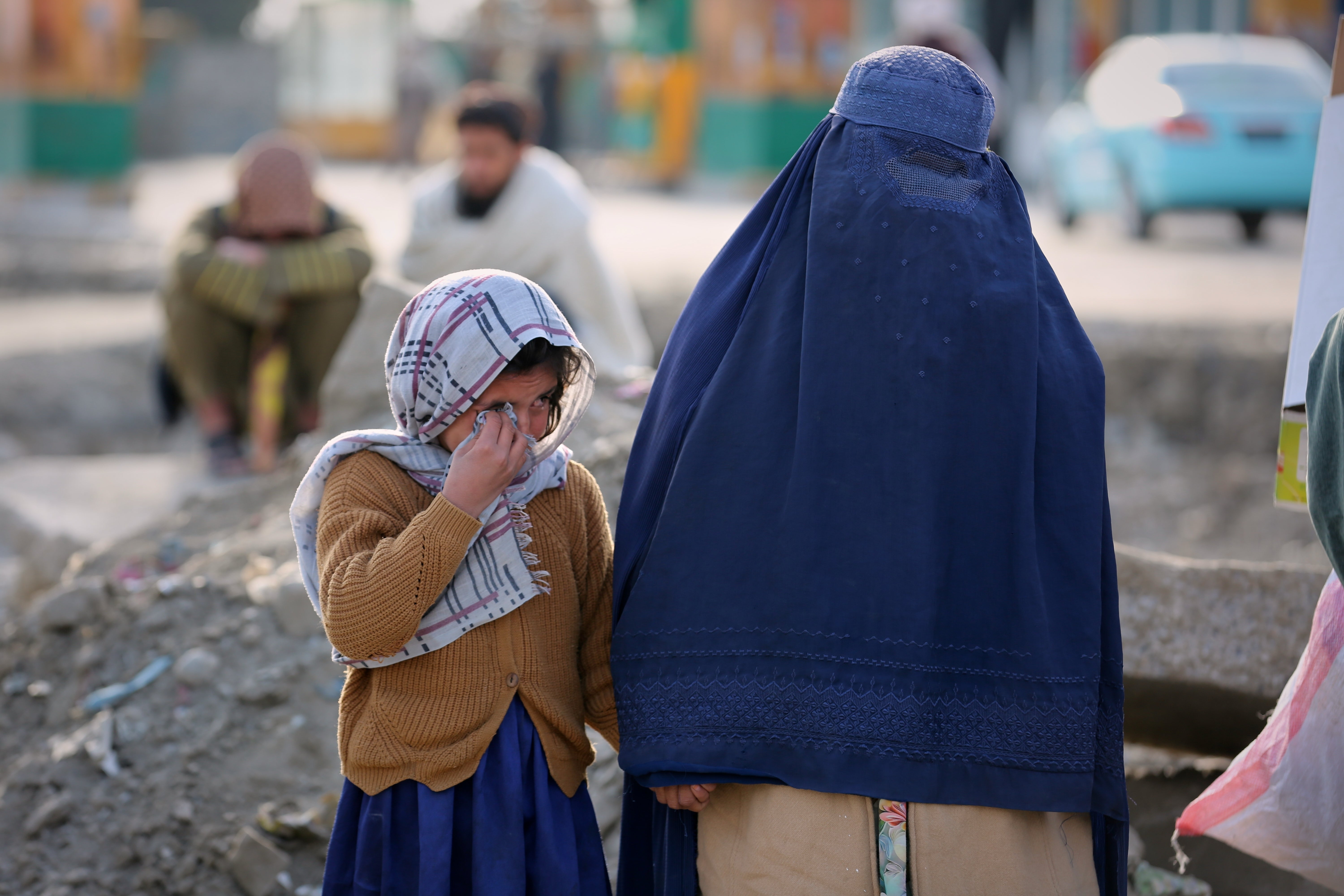 A little girl and a woman watch as rescue workers and officials inspect the site of a late-Monday airstrike at a drug rehabilitation hospital in Kabul, Afghanistan, Tuesday, March 17, 2026. (AP Photo/Siddiqullah Alizai) (Copyright 2025 The Associated Press. All rights reserved.)
Siddiqullah Alizai) (Copyright 2025 The Associated Press. All rights reserved.)
A little girl and a woman watch as rescue workers and officials inspect the site of a late-Monday airstrike at a drug rehabilitation hospital in Kabul, Afghanistan, Tuesday, March 17, 2026. (AP Photo/Siddiqullah Alizai) (Copyright 2025 The Associated Press. All rights reserved.)
Siddiqullah Alizai) (Copyright 2025 The Associated Press. All rights reserved.)
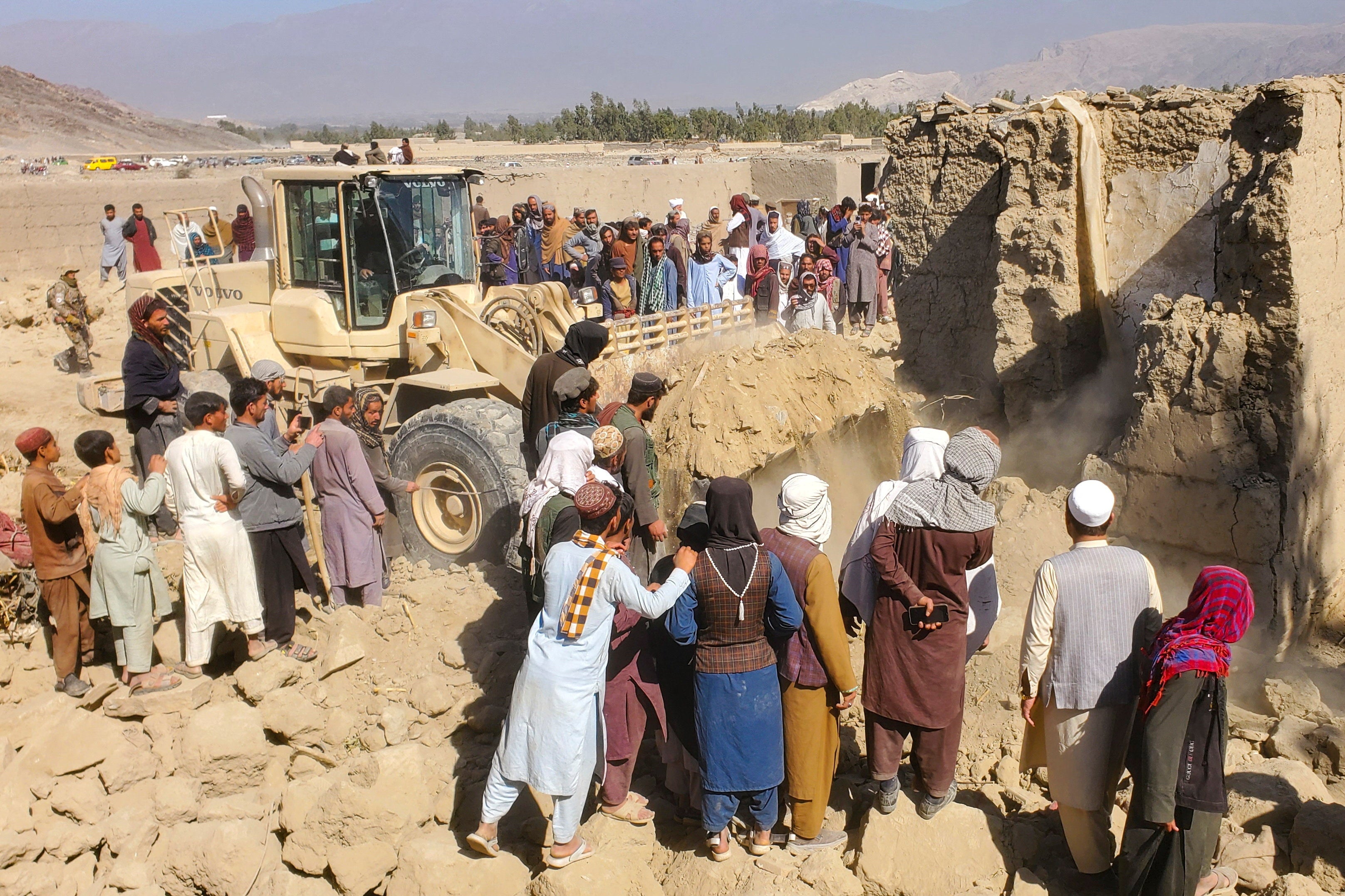 Residents gather at the site of Pakistani airstrikes, in Bihsud district, Nangarhar province, Afghanistan, 22 February 2026 (Reuters)
Reuters
Residents gather at the site of Pakistani airstrikes, in Bihsud district, Nangarhar province, Afghanistan, 22 February 2026 (Reuters)
Reuters
Afghanistan’s Taliban say Pakistani airstrikes hit a drug rehabilitation hospital in Kabul on Monday night, killing “more than 400” people and injuring at least 250, according to The Independent. Taliban spokesperson Hamdullah Fitrat said the Omid addiction treatment hospital, described as a 2,000-bed facility, was left in rubble after the strike at around 9pm local time. Pakistan denied the accusation, saying it “precisely targeted” what it called “military installations and terrorist support infrastructure” in Kabul and in Afghanistan’s eastern Nangarhar province.
The immediate dispute is about the target. A rehabilitation centre, if accurately described, is a civilian facility with a predictable population and limited ability to disperse—exactly the kind of place that turns an airstrike into mass casualties. Pakistan’s counter-claim—ammunition storage and “terrorist support infrastructure”—is the standard language that allows a cross-border operation to be sold as law enforcement rather than war. In practice, those labels are not adjudicated in real time; they are asserted, denied, and then used to justify the next round.
The strike lands in a relationship that has already shifted from uneasy cooperation to open hostility. The Independent reports that Pakistan declared “open war” with the Taliban-led government on 28 February and carried out air and ground strikes after months of tit-for-tat clashes along the border. Islamabad says militants operating from Afghan territory are behind a wave of attacks and suicide bombings against Pakistani forces; it has pointed to cases where it claims Afghan nationals were involved, including an earlier attack attributed to Tehreek-e-Taliban Pakistan (TTP), a Pakistani Taliban umbrella formed in 2007.
For Pakistan’s leadership, cross-border raids serve a domestic purpose: they demonstrate action when internal security is failing, and they shift blame outward. For the Taliban, being attacked by a neighbour helps consolidate authority at home and reframes governance failures as national resistance. Neither side pays the full cost of escalation. The dead and displaced are Afghan civilians; the blowback—radicalisation, recruitment, and refugee flows—spills across borders and into aid systems that can absorb the immediate humanitarian bill.
The numbers themselves illustrate the problem of wartime information. “Around 400” killed is an extraordinary claim for an airstrike on a single facility; it may prove accurate, exaggerated, or based on missing persons in a chaotic aftermath. But the strategic effect does not wait for a verified casualty list. Once a state normalises striking inside a neighbour’s capital, the next move becomes less about whether the last target was lawful and more about whether the other side can retaliate.
The Taliban say the Omid facility was hit at about 9pm and that large sections were destroyed.
Pakistan says it targeted militant infrastructure in Kabul and Nangarhar, and denies striking a civilian hospital.