
ICE holds children past Flores 20-day limit
Court monitors report hundreds of extended detentions at Dilley facility, the constraint becomes litigation speed not statutory text
Images
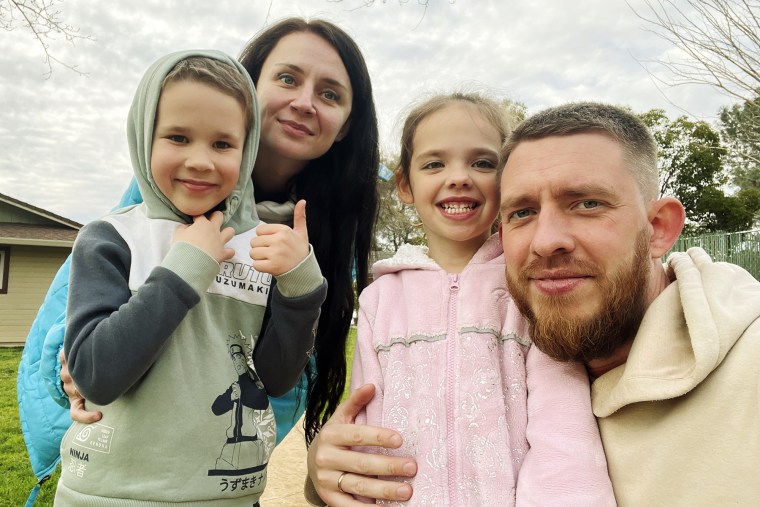 "After three weeks, we began to feel the pressure building," Aleksei said of his prolonged detention at Dilley with his wife and 5-year-old twins.Courtesy Aleksei
nbcnews.com
"After three weeks, we began to feel the pressure building," Aleksei said of his prolonged detention at Dilley with his wife and 5-year-old twins.Courtesy Aleksei
nbcnews.com
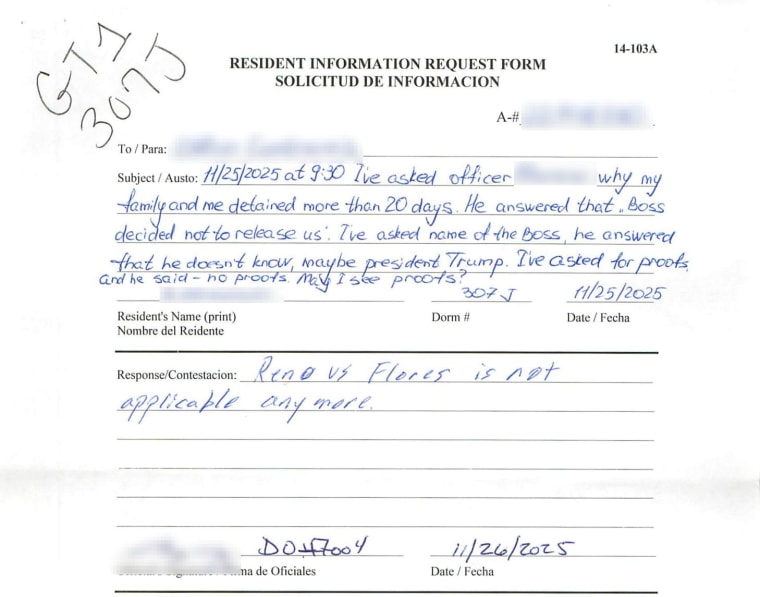 An ICE officer told Aleksei that the federal settlement setting minimum standards for child detention was no longer in effect.
nbcnews.com
An ICE officer told Aleksei that the federal settlement setting minimum standards for child detention was no longer in effect.
nbcnews.com
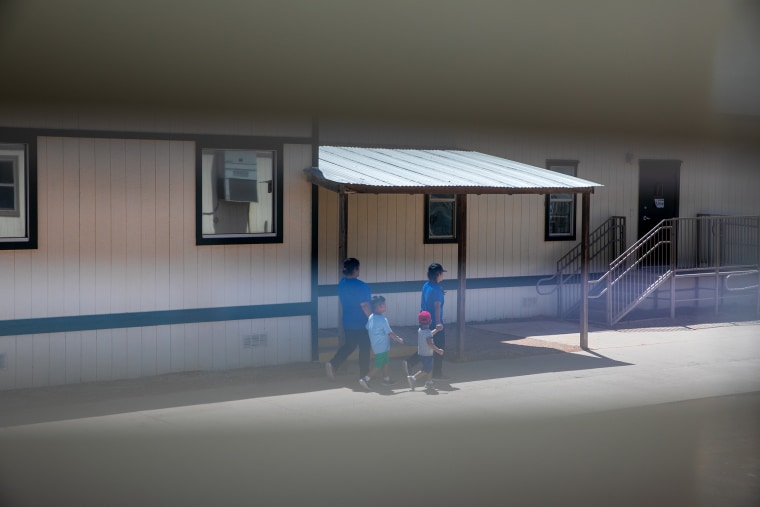 Parents have complained of poor conditions at the Dilley Immigration Processing Center.Ilana Panich-Linsman / The New York Times via Redux
nbcnews.com
Parents have complained of poor conditions at the Dilley Immigration Processing Center.Ilana Panich-Linsman / The New York Times via Redux
nbcnews.com
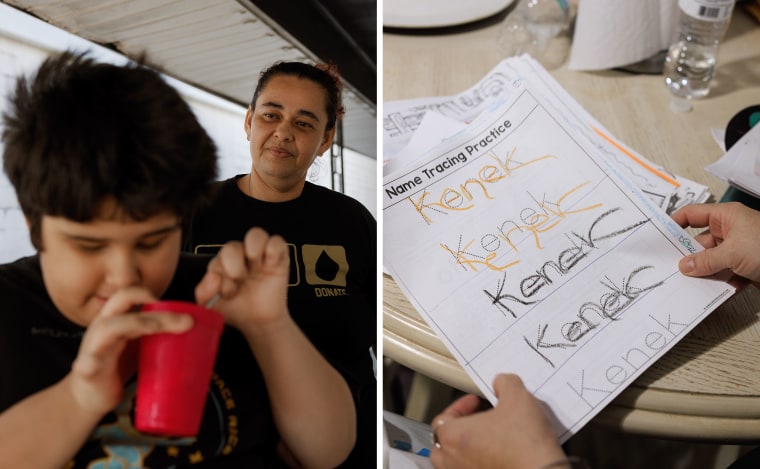 “He didn't have any therapy, he didn't have school, he didn't have anything," Bautista Torres said of her son's treatment in ICE detention. Bryan Tarnowski for NBC News
nbcnews.com
“He didn't have any therapy, he didn't have school, he didn't have anything," Bautista Torres said of her son's treatment in ICE detention. Bryan Tarnowski for NBC News
nbcnews.com
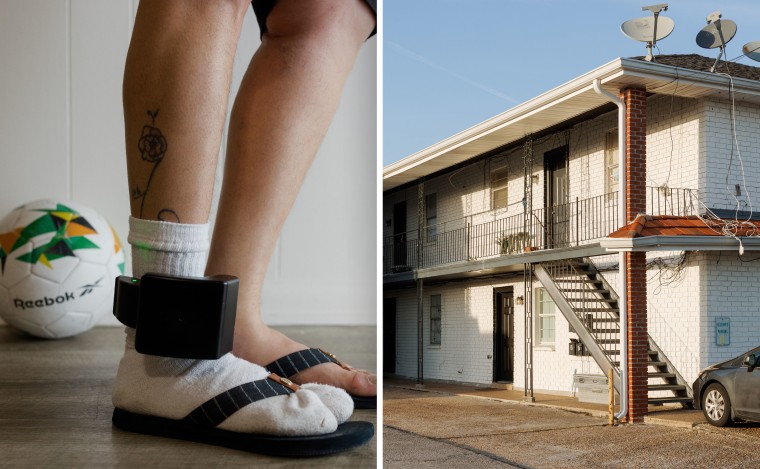 Vilma Bautista Torres was given an ankle monitor after being released from Dilley. She and her son are staying at a friend's apartment.Bryan Tarnowski for NBC News
nbcnews.com
Vilma Bautista Torres was given an ankle monitor after being released from Dilley. She and her son are staying at a friend's apartment.Bryan Tarnowski for NBC News
nbcnews.com
More than 900 children were held in US family immigration detention beyond a court-imposed 20-day limit as of January, according to data from court-appointed monitors shared with NBC News. The figures centre on the Dilley Immigration Processing Center in South Texas, where families say stays now routinely stretch into weeks and months.
The 20-day benchmark comes from the Flores Settlement Agreement, a 1997 deal born out of a class-action lawsuit over unsafe conditions for detained minors. Federal courts have interpreted the settlement as requiring that children be released “without unnecessary delay,” a standard that has functioned in practice as a roughly 20-day cap. NBC reports that lawyers representing detained families say the limit is being sidestepped in day-to-day operations: when detainees ask why the deadline has passed, some are told the agreement “is not applicable anymore,” despite it remaining in force.
What changes in practice is not a statute but the cost of enforcing one. The settlement is policed through litigation, monitoring, and contempt threats—slow tools against an agency that can run the clock while families sit behind fences. Detention becomes a lever: the longer a case takes, the more pressure builds on parents to abandon asylum claims and accept removal just to end confinement. NBC describes children’s behaviour deteriorating over time, including a 9-year-old with severe autism whose mother said he went without therapy for weeks and began self-harming.
The facility itself illustrates how “temporary” turns into infrastructure. Large-scale family detention requires contracts, staffing, medical provision, schooling, transport, and security—an operating model that can expand faster than courts can narrow it. When capacity is tight, delays are treated as operational reality rather than legal violation; the remedy arrives after the fact, if at all. The same dynamic rewards administrative language that reframes noncompliance as reinterpretation, pushing disputes into a procedural channel where families have the least time and money.
In one case cited by NBC, an 18-year-old and her four younger siblings have been detained for more than nine months while contesting deportation to Egypt. Another family said they began counting down to day 20 because they believed the rule would force release; instead, they received a shrug and a reference to “Trump.”
The Flores settlement still exists on paper. At Dilley, the calendar keeps moving anyway.