
US farmers face diesel shock ahead of spring planting
Fuel buffers buy weeks not certainty, global oil prices reach fields through logistics and timing
Images
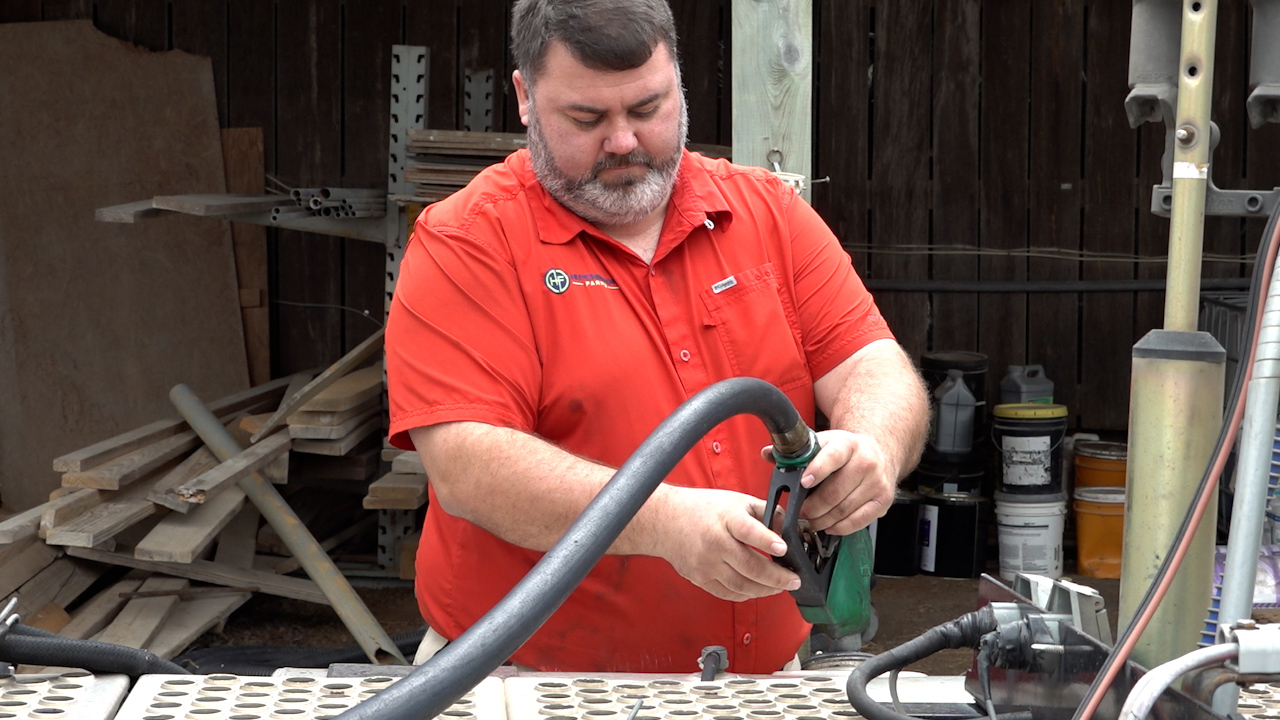 U.S. farmers are feeling the pain of the Iran conflict from thousands of miles away. Will Hutchinson will start his Spring planting season soon, which is one of the most energy-dependent times of the year for farmers.
foxbusiness.com
U.S. farmers are feeling the pain of the Iran conflict from thousands of miles away. Will Hutchinson will start his Spring planting season soon, which is one of the most energy-dependent times of the year for farmers.
foxbusiness.com
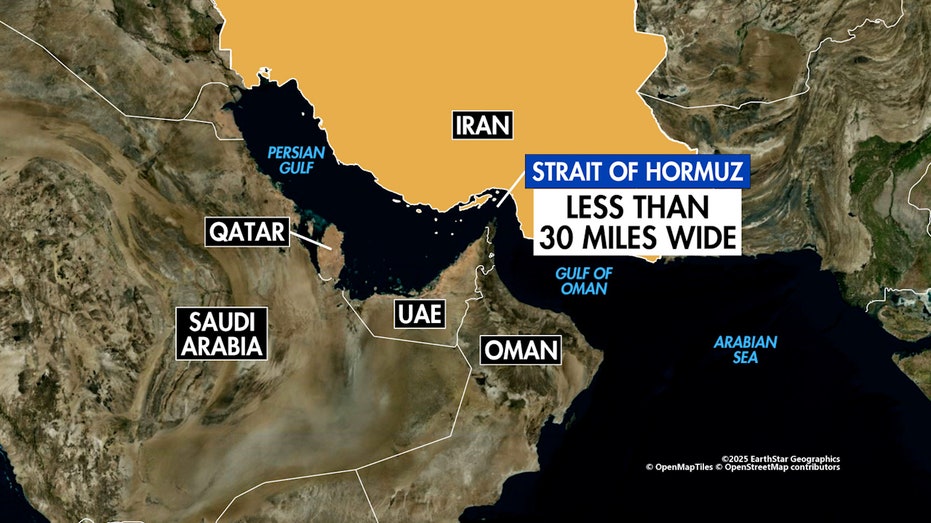 Strait of Hormuz at standstill
foxbusiness.com
Strait of Hormuz at standstill
foxbusiness.com
 Diesel tanks on Tennessee farm
foxbusiness.com
Diesel tanks on Tennessee farm
foxbusiness.com
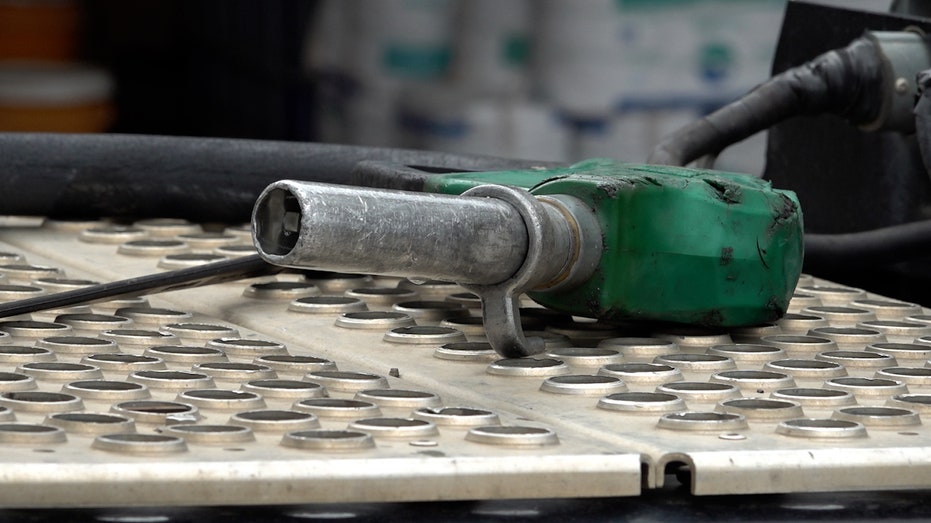 Diesel pump at Tennessee farm
foxbusiness.com
Diesel pump at Tennessee farm
foxbusiness.com
Diesel prices in the United States have jumped by more than a dollar in less than a month, squeezing farmers just as spring planting begins, Fox Business reports from Tennessee. The national average was $4.83 a gallon on Wednesday, according to the report, and growers say the timing is brutal: planting is one of the most energy-intensive periods of the year.
On one Middle Tennessee farm, operator Will Hutchinson told Fox he burns about 500 gallons of diesel per day during planting season. At harvest, usage rises to roughly 1,500 gallons of diesel plus about 5,000 gallons of liquefied petroleum gas used for drying and handling. The immediate coping strategy is inventory: Hutchinson keeps about 20,000 gallons of diesel in on-site tanks, a buffer that turns a price spike into a countdown rather than an instant shutdown.
Fuel is not a single line item for agriculture. It runs tractors and irrigation pumps, but it also powers the trucks that move inputs to farms and crops to elevators, processors and ports. Hutchinson described being hit twice: higher operating costs in the field and higher transport costs to market. That double exposure matters because farming margins are thin and many costs are locked in before the crop is sold.
The political story around energy shocks often focuses on crude benchmarks and consumer petrol, but agriculture feels the shock through diesel and timing. Planting decisions are time-sensitive; delaying fieldwork can reduce yields, while switching equipment or processes is not something a farm can do “in two days.” As diesel rises, the least flexible actors—those who must run machinery now—effectively become price takers, absorbing the increase until it can be passed on through higher grain, feed and food prices.
Fox quotes a travel and consumer analyst warning that pump prices can remain elevated for weeks even after fighting subsides, because logistics bottlenecks and supply-chain adjustments lag the headlines. For farmers, that lag coincides with the window when most fuel is consumed.
Hutchinson framed the episode as a reminder that domestic production does not automatically insulate domestic users. The United States exports millions of barrels of crude even as diesel buyers pay global prices.
On his farm outside Murfreesboro, the hedge against geopolitics is two metal tanks of stored diesel. When they run low, the market price is the only price.