
David Protein bar lawsuit targets calorie claims
Lab tests report far higher fat and energy than label, nutrition math becomes the product feature
Images
 nbcnews.com
 The nutrition label of a David blueberry pie-flavored protein bar.NBC News
nbcnews.com
The nutrition label of a David blueberry pie-flavored protein bar.NBC News
nbcnews.com
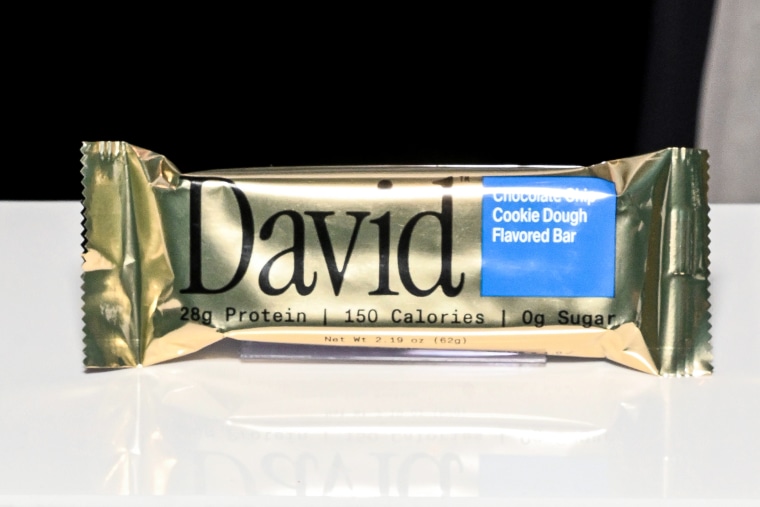 A chocolate chip cookie dough-flavored David protein bar.Slaven Vlasic / Getty Images for The Vitamin Shoppe file
nbcnews.com
A chocolate chip cookie dough-flavored David protein bar.Slaven Vlasic / Getty Images for The Vitamin Shoppe file
nbcnews.com
A class-action lawsuit filed in January claims David Protein bars contain far more calories and fat than their labels indicate, alleging test results of roughly 268–275 calories and 11–13.5 grams of fat per bar versus the stated 150 calories and 2 grams of fat. The company’s founder, Peter Rahal, has rejected the accusation, telling NBC News that the plaintiffs’ lab used the wrong method to measure calories.
The dispute turns on a gap between what a label is allowed to communicate and what a consumer assumes it means. According to NBC News, Rahal argues that the lab relied on bomb calorimetry, which measures total energy released by burning a sample—an approach that counts energy from ingredients that pass through the body without being digested. David’s bars use esterified propoxylated glycerol (EPG), a modified fat substitute that, according to a dietitian quoted by NBC News, yields far fewer usable calories than conventional fat because it resists digestive enzymes. If a product’s calorie claim is derived from “metabolizable energy” rather than “gross energy,” the same bar can look like two different foods depending on the test.
That technical distinction is not a niche edge case; it is the core of how modern “high-protein, low-calorie” snacks are designed. The American consumer protein boom has created a market where taste and macros must appear to defy physics—brownie-like texture, fat-like mouthfeel, and a label that still fits a dieting narrative. The economic reward is immediate: influencer-driven virality, premium pricing, and distribution growth. David Protein, founded in 2024, attracted high-profile investors in the wellness and longevity ecosystem, NBC News reports, including podcaster Andrew Huberman and physician-author Peter Attia.
The costs, however, surface downstream as a compliance argument. The plaintiffs cite FDA rules that, as summarized by NBC News, generally require nutrient content not to exceed declared values by more than 20%. A company can meet the letter of that standard if regulators accept its calorie calculation method—yet still trigger backlash when independent tests produce “higher” numbers that feel like fraud to a lay reader. Even the ingredient meant to reconcile taste and dieting—EPG—becomes a communications liability: it is easier to sell a bar with a simple macro story than to explain digestion-resistant fats and measurement conventions.
For now, the conflict is less about whether a bar contains energy than about who gets to define what “calories” means on a package: a lab instrument that burns the product, or a regulatory framework that estimates what the body absorbs. The lawsuit’s claims and Rahal’s response both rely on that distinction.
David Protein bars still list 150 calories per serving on their labels. The plaintiffs’ tests, as described by NBC News, put the same serving closer to 270.