
UK MPs warn BBC World Service losing ground to Russia and China
Public Accounts Committee cites budget down 21% since 2021, influence depends on funding certainty not slogans
Images
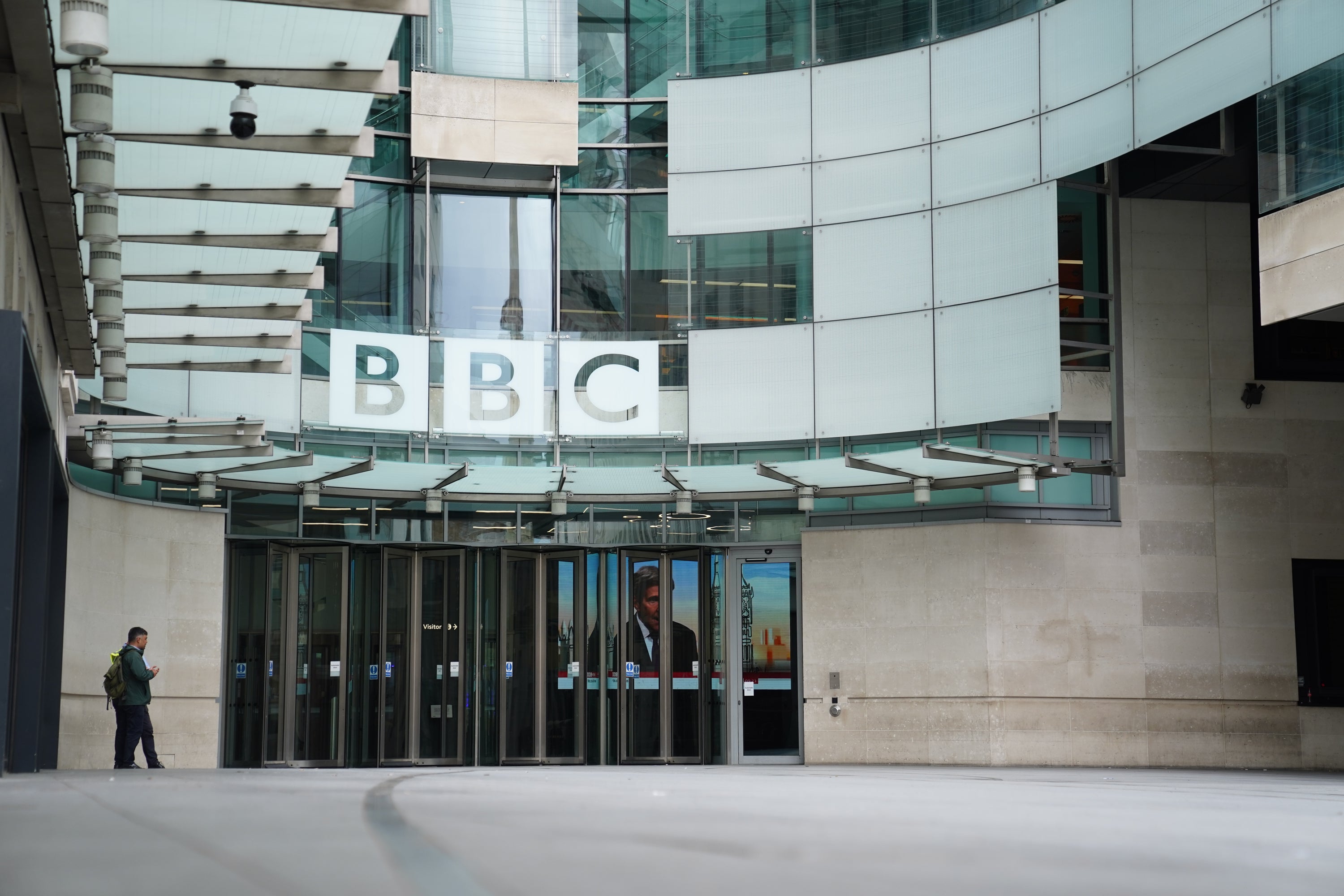 The BBC has been criticised over the state of the World Service (James Manning/PA) (PA Archive)
PA Archive
The BBC has been criticised over the state of the World Service (James Manning/PA) (PA Archive)
PA Archive
The BBC World Service is at risk of being overtaken by Russian and Chinese state media because of funding cuts and weak management, the UK parliament’s Public Accounts Committee said in a new report, according to The Independent. The committee noted the World Service still reaches an average weekly audience of 313 million in 43 languages, but its total budget fell 21% in real terms between 2021 and 2026.
The warning is less about editorial output than about the fragility of “influence” when it is treated as a discretionary line item. Russia and China, MPs said, spend a combined £6bn to £8bn a year on global media operations—sums that dwarf the World Service’s resources—while the BBC has been cutting services and attempting a digital overhaul that the committee says coincided with an 11% fall in digital audiences since 2021. When budgets shrink, the first casualties are often the expensive, unglamorous parts of international broadcasting: local bureaux, language services, security, and distribution. The result is not a polite decline but an opening for competitors who are willing to subsidise reach.
The committee’s critique also points to internal governance problems that make cuts more damaging. MPs said the BBC could not provide “a single, transparent suite of value for money measures” across TV, radio and digital, and that decision-making was poorly evidenced with unclear lines of responsibility. The corporation announced a new international governance model in February 2025, but by January this year only one of six regional directors was permanently in post, the report said. In a competitive information environment, gaps in management are not neutral; they translate into slower responses, abandoned markets, and inconsistent product decisions.
There is also a funding problem that is not merely about totals but about predictability. MPs said they were “deeply troubled” that the BBC had not been told how much government funding would be provided for the World Service in the coming year. That uncertainty matters because international broadcasting cannot be switched on and off like a domestic campaign: language teams, transmission contracts and local partnerships are built over years and lost quickly.
The committee urged the government and BBC to set a clearer direction for the service ahead of charter renewal talks, where the licence fee settlement will again shape what the BBC can do abroad. The PAC chair, Sir Geoffrey Clifton-Brown, framed the choice bluntly: as the World Service cuts back, “it risks opening the door to propaganda from hostile states such as Russia filling the void.”
The report’s numbers describe a service with hundreds of millions of listeners and a shrinking budget. The rest is a competition where the better-funded broadcaster gets to be heard.