
Bangladesh shuts universities to save fuel
Hormuz war-risk insurance collapses even as Dhaka seeks Iranian safe passage, domestic rationing replaces shipping capacity
Images
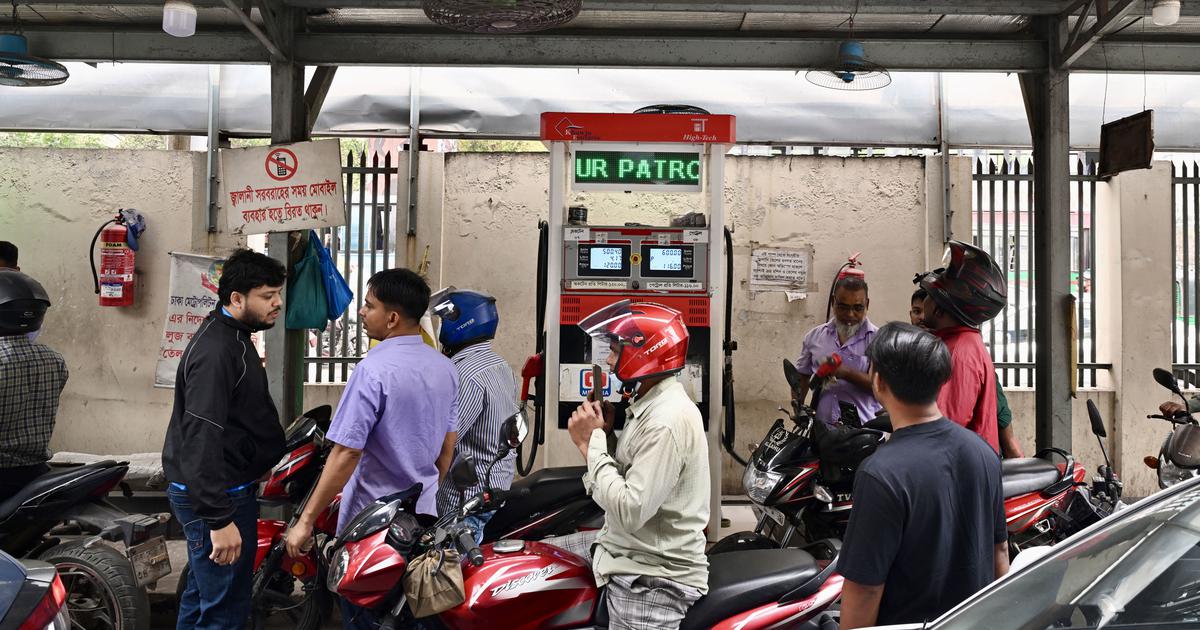 People refuel their motorbikes at a petrol pump in Dhaka on March 10.
|
AFP
scroll.in
People refuel their motorbikes at a petrol pump in Dhaka on March 10.
|
AFP
scroll.in
Bangladesh has begun dimming its cities and shutting universities to conserve fuel, after oil and gas shipping through the Strait of Hormuz became uncertain following the US-Israel strikes on Iran on February 28. According to Scroll.in, the government has banned decorative lighting for upcoming public holidays and brought forward Eid-ul-Fitr breaks by closing all public and private universities, a move officials say will cut electricity demand and reduce traffic-related fuel use. Dhaka also says it has obtained an Iranian “safe passage” arrangement for Bangladeshi oil and LNG vessels, provided ships notify Iranian authorities before entering the strait.
The measures underline how quickly a maritime chokepoint turns into domestic rationing when a country has little buffer. Scroll.in reports Bangladesh routes nearly 90% of its fuel imports through Hormuz and holds some of the lowest strategic fuel reserves in Asia. Even if the waterway is not formally closed, the commercial machinery that makes shipping possible can disappear: the article notes that London-based insurers have cancelled war-risk coverage for vessels operating in the area, and shipping lines have paused voyages to and from South Asia. For Bangladesh, that translates into fewer deliveries, longer routes around the Cape of Good Hope, and higher freight costs layered on top of higher crude prices.
The knock-on effects described are not limited to transport. Fuel shortages threaten electricity production, factory output and delivery times in the ready-made garment sector—Bangladesh’s core export engine—while rising energy costs tighten an already strained foreign-exchange position. Professor Mustafizur Rahman of the Centre for Policy Dialogue tells Scroll.in that rerouting via the Cape increases lead times and costs and will erode competitiveness in an economy where logistics and compliance costs are already high.
Food and fertiliser are pulled into the same squeeze. Bangladesh’s fertiliser plants use natural gas as feedstock; Scroll.in reports that four out of five state-run fertiliser factories have been shut so gas can be diverted to power generation. That decision arrives in the middle of the Boro rice season, when irrigation demand is high and diesel availability matters. If diesel is scarce and fertiliser output is curtailed at the same time, farmers face higher costs and lower reliability precisely when timing is least forgiving.
The “safe passage” deal illustrates another limit: diplomatic assurances do not reinstate insurance cover or restore private risk appetite. Bangladesh can notify Iranian authorities, but it cannot compel insurers to price war risk or shipping lines to deploy vessels. The state can, however, compel domestic consumers to use less energy—through shutdowns, bans and holiday rescheduling—because that is the lever it controls.
Bangladesh is now conserving fuel by turning off lights and closing campuses while its oil tankers wait on a corridor that depends on insurers’ signatures as much as naval patrols.