
US Senate again blocks DHS funding bill
Shutdown nears one month as TSA and FEMA disruptions become bargaining chips, immigration carveouts turn agency design into leverage
Images
 Senate again fails to pass homeland security funding as department shutdown nears one month – live
theguardian.com
Senate again fails to pass homeland security funding as department shutdown nears one month – live
theguardian.com
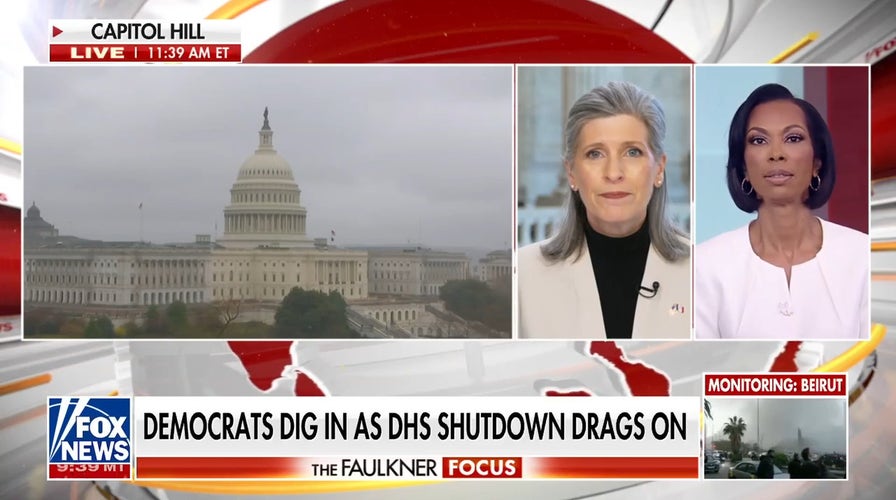 Iran-linked hackers hit US medical firm amid DHS shutdown concerns
foxnews.com
Iran-linked hackers hit US medical firm amid DHS shutdown concerns
foxnews.com
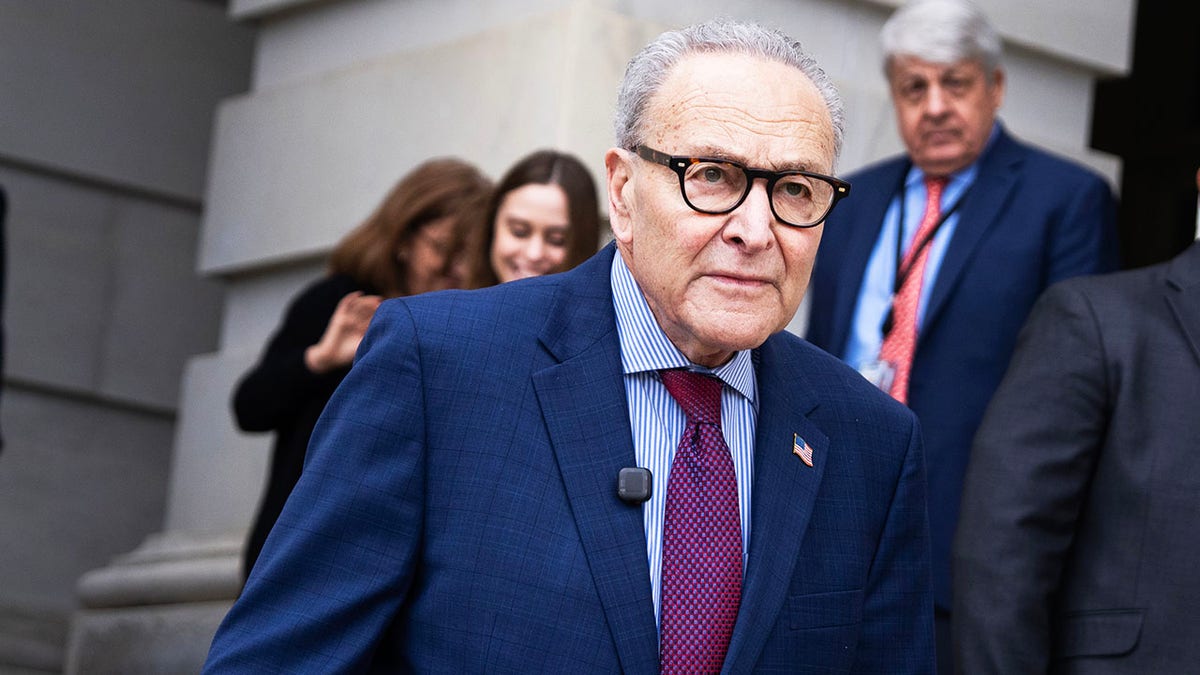 Senate Minority Leader Chuck Schumer, D-N.Y.
foxnews.com
Senate Minority Leader Chuck Schumer, D-N.Y.
foxnews.com
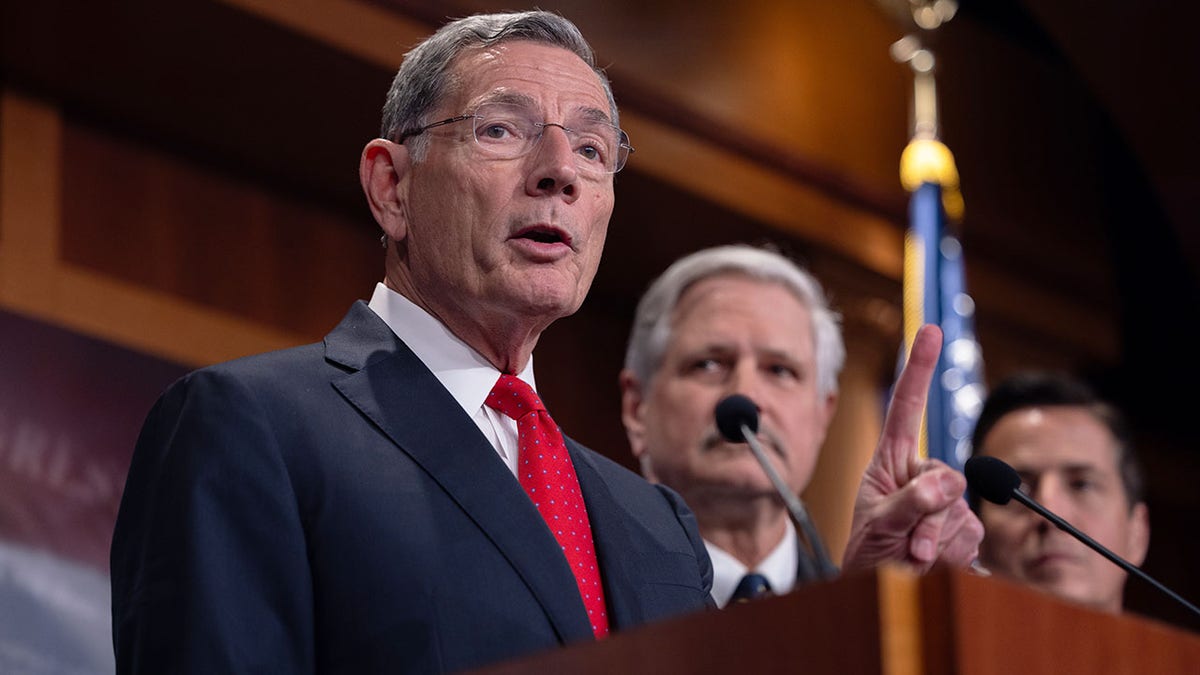 Senate Majority Whip John Barrasso, R-Wyo., speaks during a press conference.
foxnews.com
Senate Majority Whip John Barrasso, R-Wyo., speaks during a press conference.
foxnews.com
 Sen. Patty Murray, D-Wash.
foxnews.com
Sen. Patty Murray, D-Wash.
foxnews.com
The US Senate again failed on Thursday to pass a bill to fund the Department of Homeland Security, leaving a partial shutdown approaching its fourth week and keeping one of Washington’s largest “must-run” bureaucracies in limbo. According to The Guardian’s live coverage, the latest vote was 51–46, falling short of the 60 votes needed to advance the measure, with Senator John Fetterman the only Democrat to back it. Fox News, citing Republican leaders, describes the shutdown as entering day 27 with airport disruption and heightened threat messaging tied to the war with Iran.
The fight is not over whether DHS should exist, but over which parts must be allowed to fail in order to force movement on unrelated priorities. Democrats have pushed “piecemeal” bills to reopen specific functions—Fox News names the Transportation Security Administration and the Federal Emergency Management Agency—while leaving Immigration and Customs Enforcement and Customs and Border Protection as the pressure point. Senator Patty Murray told Fox that ICE would not be funded without reforms, arguing that immigration operations were already financed through President Donald Trump’s “one big, beautiful bill.” Republicans, for their part, have argued that carving out immigration enforcement would effectively “defund” it, and Senate Majority Leader John Thune has pointed to repeated attempts at short-term continuing resolutions that Democrats blocked.
The shutdown’s leverage works precisely because DHS bundles services with very different political constituencies. TSA screening lines and FEMA disaster response are visible to voters; immigration enforcement is visible to activists, border-state officials and the industries that rely on illegal labour flows. The structure lets each side claim it is protecting “essential” functions while using other functions as collateral. It also creates a predictable pattern: warnings about security risk rise as the shutdown drags on, while day-to-day workarounds and temporary authorities keep a baseline of operations going—enough to avoid immediate collapse, not enough to remove the pain.
In practice, the federal government’s ability to manufacture single points of failure becomes a negotiating asset. When an agency is designed so that one appropriations line can disrupt airports, disaster logistics and border operations at once, lawmakers can trade public inconvenience for unrelated policy concessions. The debate over voter-ID requirements and immigration guardrails—both referenced in the Guardian’s framing of the standoff—shows how quickly “homeland security” funding becomes a legislative hostage for the next demand.
The vote count did not change the immediate reality: DHS remains partially shuttered, and the Senate still lacks a 60-vote path to reopen it. The department that was created after 9/11 to centralise security is now being kept closed by the same centralisation.