
Atlanta restaurant adds health insurance surcharge
Viral receipt shows 4% fee to subsidise employee coverage, diners discover the real price at the bottom of the bill
Images
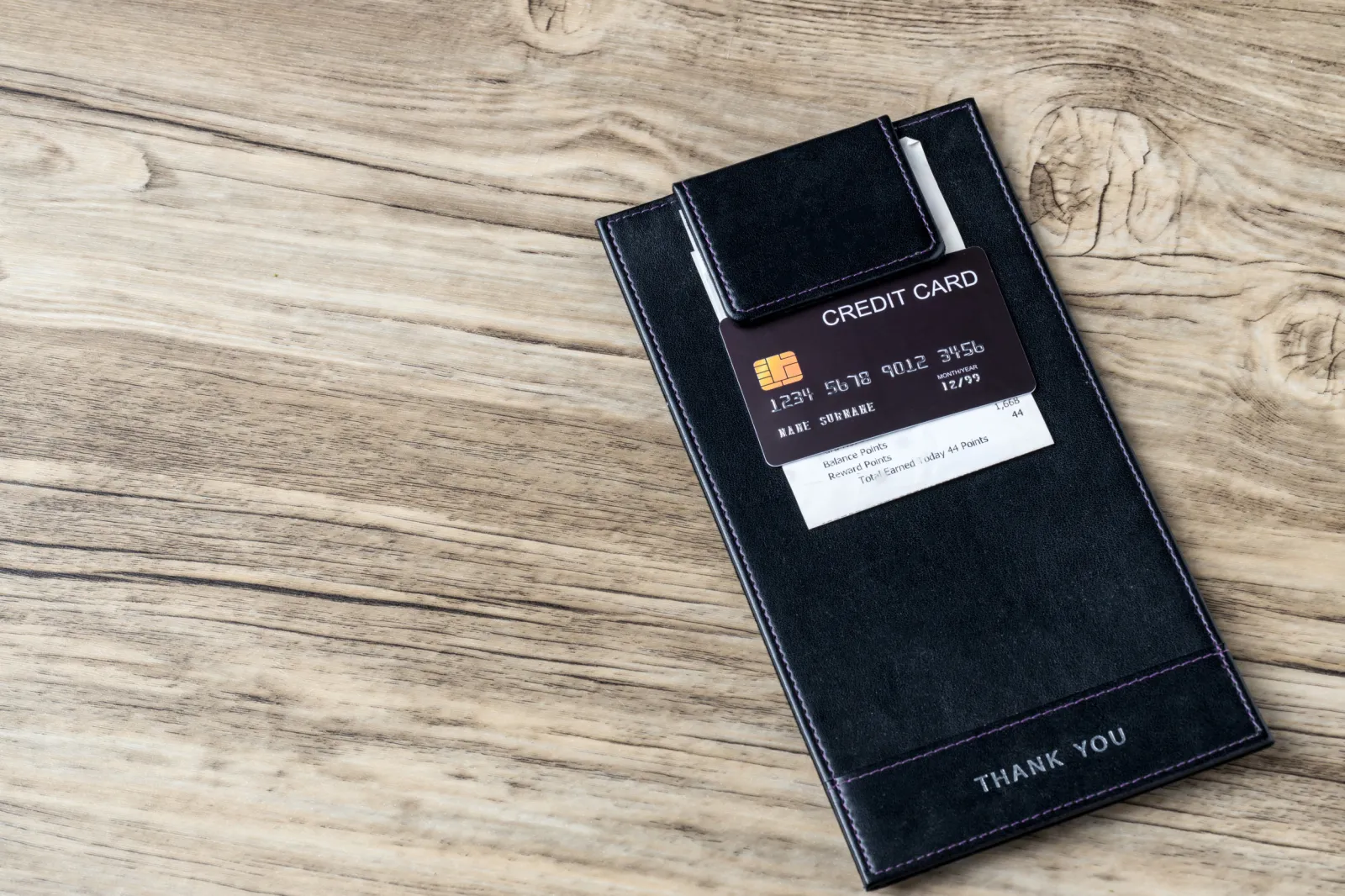 Credit Card Group Dinner Bill
newsweek.com
Credit Card Group Dinner Bill
newsweek.com
 Iran War Live: One Killed in Iran Ship Attacks, Oil Spikes
newsweek.com
Iran War Live: One Killed in Iran Ship Attacks, Oil Spikes
newsweek.com
 Neil deGrasse Tyson on Mars, Billionaire Space Trips and Why We Explore
newsweek.com
Neil deGrasse Tyson on Mars, Billionaire Space Trips and Why We Explore
newsweek.com
 Trump Faces a Reckoning on His Oil Promise to America
newsweek.com
Trump Faces a Reckoning on His Oil Promise to America
newsweek.com
 How Cameroon Is Using Early Screening To Fight Kidney Disease
newsweek.com
How Cameroon Is Using Early Screening To Fight Kidney Disease
newsweek.com
A Reddit user who dined at Banshee in Atlanta says a 4% “health insurance” surcharge appeared on the bill without being noticed in advance, prompting a vow not to return. The receipt, shared in a viral post and reported by Newsweek, states the fee is added to “help subsidize health insurance for our employees.” Commenters also pointed out the surcharge appeared to be taxed because it was added before the subtotal.
Restaurants have long used gratuities, service charges and “kitchen appreciation” add-ons to separate what looks like the base price from what the customer ultimately pays. A health-insurance line item is the same technique with a different story attached: it shifts a cost that used to be embedded in menu prices into an extra charge that customers encounter only at the end of the meal. For the operator, that can be a way to blunt price sensitivity—keeping the headline price on the menu lower than it would be if benefits were fully priced in—while preserving margin when insurance premiums rise. For customers, it weakens price comparability: two burgers may look equally priced, but only one comes with a mandatory add-on.
The fee also changes who takes the heat. A diner upset about a surprise charge rarely argues with an insurance company; they argue with the server, the host, or the manager on duty. The employees the fee is said to support become the face of a policy choice made by ownership. Even when the surcharge is disclosed somewhere—commenters said it appears on the restaurant’s online menu—the design still relies on the friction of the moment: people are less likely to walk out after ordering than they are to choose a different venue before sitting down.
Once surcharges become normal, the menu price stops being a price and becomes an opening bid. The bill becomes a stack of micro-taxes: a service fee, a wellness fee, a credit-card fee, a delivery fee, each justified as a separate necessity. The result is a dining economy where transparency is optional and where “supporting workers” is sold as a line item rather than negotiated in wages and prices.
In Atlanta, the disputed number was 4%. It was small enough to be defensible and large enough to be noticed—exactly the kind of fee that turns a pleasant meal into a screenshot.