
Bedbugs avoid wet surfaces in lab tests
UC Riverside study links aversion to spiracle blockage and surface adhesion, household quick-fix claims may outrun what the data actually supports
Images
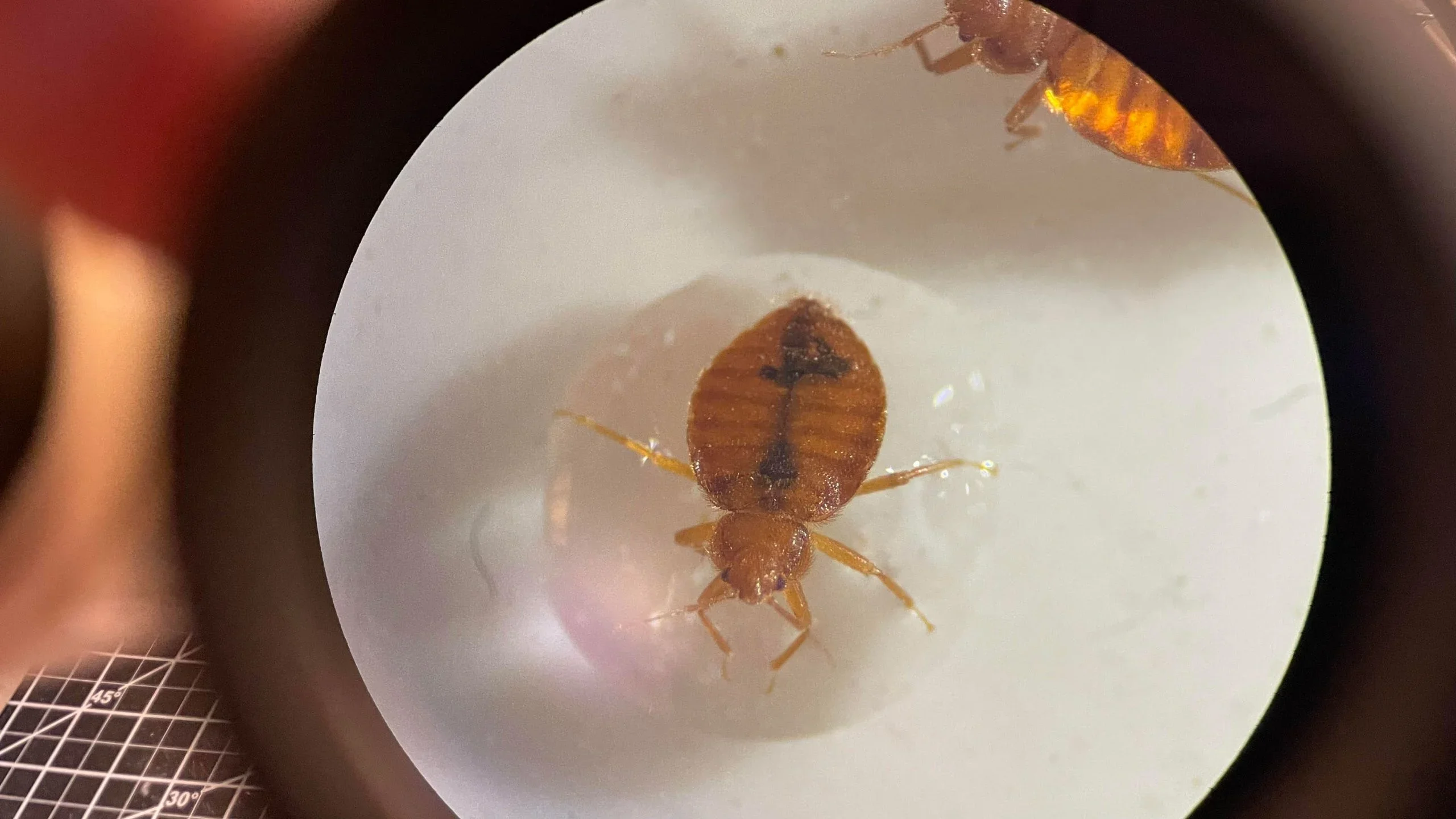 Bed bug in the Choe lab at UCR (Dong Hwan Choe/UCR)
Dong Hwan Choe/UCR
Bed bug in the Choe lab at UCR (Dong Hwan Choe/UCR)
Dong Hwan Choe/UCR
 Movement traces of bedbugs in the experiment (Jorge Bustamante Jr/Dong-Hwan Choe/UCR)
Jorge Bustamante Jr/Dong-Hwan Choe/UCR
Movement traces of bedbugs in the experiment (Jorge Bustamante Jr/Dong-Hwan Choe/UCR)
Jorge Bustamante Jr/Dong-Hwan Choe/UCR
A lab accident at the University of California, Riverside turned into a behavioural clue about one of the world’s most persistent household pests. After a membrane on a blood feeder was slightly damaged, leaked blood soaked into paper inside bedbug vials — and instead of clustering around the spill, the insects repeatedly avoided the wet area, performing rapid U-turns, according to a study in the Journal of Ethology reported by The Independent.
Follow-up tests replaced blood with water and produced the same response: bedbugs (Cimex lectularius) of different ages and sexes kept away from damp surfaces. The research team links the aversion to bedbug anatomy. Their bodies are flat and their breathing openings (spiracles) sit along the abdomen; contact with a thin film of water can adhere to the body and block those openings, making moisture a direct respiratory hazard. In the controlled setting of a vial, that risk is easy to see and easy to measure.
The practical question is whether a lab avoidance behaviour becomes a usable control tool in real homes. Bedbugs do not need to walk across open wet surfaces to thrive; they hide in seams, cracks, bed frames and behind skirting boards, emerging briefly to feed. A damp “barrier” on a floor or a bed leg may be trivial if the insects can route around it, wait it out, or move through dry channels. Moisture also cuts both ways: damp indoor environments can damage buildings, and many of the places people would be tempted to wet—mattresses, upholstered furniture, wall voids—are precisely where lingering moisture is costly.
There is also a predictable failure mode: a behavioural finding becomes a folk remedy. The study’s author is quoted suggesting that if someone suspects bedbugs on their body, “take a bath,” which may help with hitchhiking insects but does nothing for established harbourages in a room. The gap between “bedbugs avoid wet paper in a vial” and “water solves infestations” is where the market for quick fixes grows. Meanwhile, the underlying reason bedbugs have resurged globally over the past two decades is not a lack of household hacks but the hard economics of eradication: the insects have developed resistance to common chemical pesticides, and thorough treatment is labour-intensive, disruptive, and expensive.
That cost structure shapes behaviour. Tenants may hesitate to report early signs if they fear blame or upheaval. Landlords may prefer minimal treatments that look responsive but do not eliminate the population. Pest-control firms operate under pressure to deliver visible action quickly, even when repeat visits and painstaking inspection are what actually reduce reinfestation. Moisture aversion could eventually be turned into a better trap design or a monitoring tool, but it will compete with cheaper products that promise more than they can deliver.
In the UCR lab, bedbugs refused to cross a paper strip once it became damp. In a bedroom, the insects only need one dry gap behind a headboard to keep breeding.