
Costa Rica opens Epstein-linked abuse probe
US document dump mentions country 324 times and cites FBI sting using fake travel agency, prosecutors start without named suspects
Images
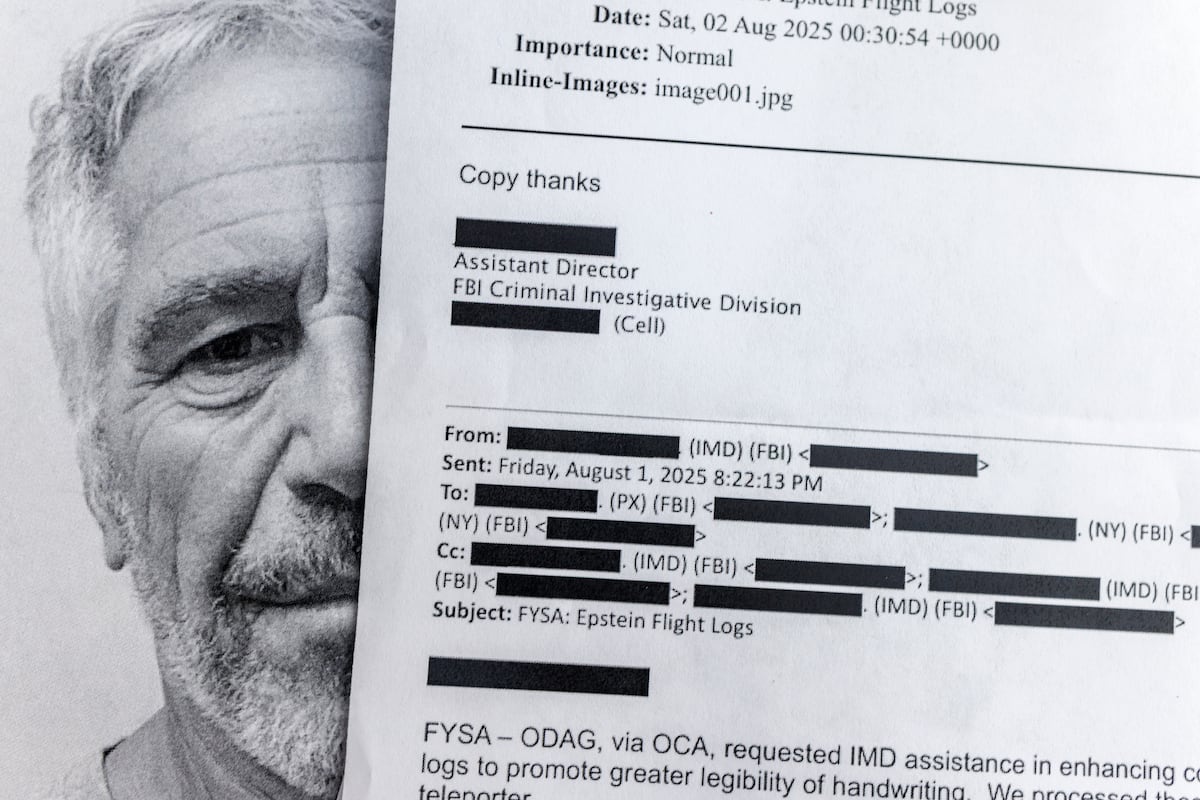 The shadow of Jeffrey Epstein tarnishes Costa Rica’s picture-postcard image
english.elpais.com
The shadow of Jeffrey Epstein tarnishes Costa Rica’s picture-postcard image
english.elpais.com
Costa Rica’s attorney general has opened an investigation into the sexual abuse of a minor linked to Jeffrey Epstein’s network after the US Justice Department released more than three million pages of “Epstein Files.” El País reports that the documents contain 324 mentions of Costa Rica across emails, phone calls and court records, prompting prosecutors in San José to begin inquiries even though no suspects have been formally identified.
The files sketch how a tourism economy and a reputation for safety can coexist with a long-running market for exploitation. Costa Rica has been flagged for decades as a destination where foreigners seek minors, but the Epstein material ties that general problem to a specific international logistics chain: travel, recruitment, and local facilitation. In the documents cited by El País, the FBI ran an undercover operation using a fake entity called “Costa Rica Taboo Vacations,” leading to arrests of US citizens who allegedly travelled to negotiate sex with girls aged 14 to 16.
The paper also notes repeated references to figures close to Epstein, including Jean-Luc Brunel, the French modelling agent accused of child rape who died in prison in 2022, and Daniel Siad, another associate linked to the modelling world. The documents describe communications and travel but do not, on their own, spell out what crimes were committed on Costa Rican soil—an evidentiary gap that often determines whether a scandal becomes a prosecution or remains a reputational event.
One detail illustrates how celebrity proximity can be used as cover. The files describe Ghislaine Maxwell’s entries into Costa Rica in March and April 2010, confirmed by the country’s migration records, and include a message in which Maxwell told Epstein she would attend an event related to expanding a national park and would “meet the new president.” Former president Laura Chinchilla told El País she had not heard of Maxwell until the US court proceedings and said her name does not appear literally in the files.
For Costa Rican authorities, the timing is awkward. The country’s brand—eco-tourism, stability, rule of law—depends on foreign confidence, yet cross-border sex crimes are built around jurisdiction shopping: offenders move where enforcement is slow, victims are vulnerable, and local gatekeepers can be paid. The same dynamic that attracts investment and visitors also supplies anonymity.
El País reports that prosecutors have not named any defendants. That leaves the investigation in its most politically useful form: an announcement of action, with the costs of proof still ahead.
Maxwell entered Costa Rica twice in 2010. The case file now says the country’s name 324 times.