
Haiti drone strikes kill over 1200 people
Human Rights Watch says campaign ordered by transitional prime minister relied on foreign contractors, targets escape while children lose limbs
Images
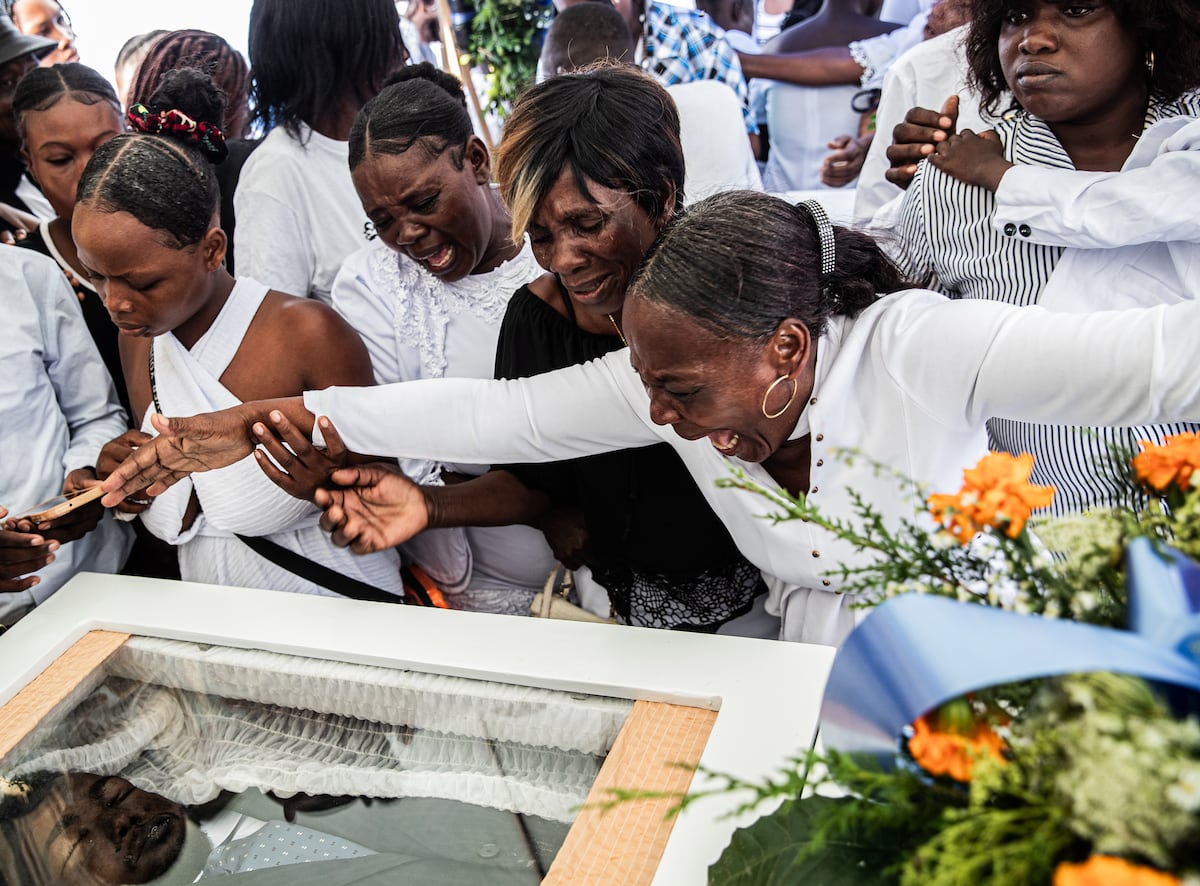 Kamikaze drones in Haiti: 1,243 dead in Prime Minister Fils-Aimé’s failed plan against criminal gangs
english.elpais.com
Kamikaze drones in Haiti: 1,243 dead in Prime Minister Fils-Aimé’s failed plan against criminal gangs
english.elpais.com
Human Rights Watch says Haiti’s transitional government ordered 141 “suicide drone” strikes in Port-au-Prince and surrounding areas between March 1, 2025 and January 21, 2026, leaving at least 1,243 people dead and 738 injured. According to HRW’s tally, 43 of those killed and 49 of the injured were not members of criminal groups; 17 children were among the dead. El País reports that one strike on September 20 hit the Simon Pelé neighbourhood during a gang leader’s birthday event, killing at least 10 people—eight of them minors—while the intended target escaped.
The numbers matter because the drone campaign was sold as a substitute for ordinary policing in a city where gangs control most territory. HRW argues that Haiti is not in an armed conflict as defined by international law, meaning lethal force should be a last resort rather than a routine tool; in that framing, repeated strikes can resemble extrajudicial killings. The same reporting describes a population caught between two armed systems: people who once feared gangs now fear being mistaken for a target by the state.
The operational details point to a second story about who actually holds the levers. The UN’s integrated office in Haiti has attributed the attacks to a “Specialized Task Force” created by Prime Minister Alix Didier Fils-Aimé, but El País notes that the force operated with support from Vectus Global, a private military company whose owner says it signed a one-year contract with the transitional government. Vectus Global, the report adds, hired Salvadoran operators to support Haitian police in using armed drones.
That arrangement shifts the practical monopoly on violence away from Haitian institutions and toward a chain of contractors, imported operators, and targeting inputs. A drone strike is not just an aircraft with explosives; it is a decision about who is a legitimate target and what level of error is acceptable. In a weak state, those decisions are easiest to outsource, because the political cost of a mistake can be pushed onto an “operation” with opaque command lines.
The incentives are also different from street-level enforcement. Arrests require holding ground, gathering evidence, and sustaining a justice system that can detain and prosecute suspects. Drone strikes can be counted, filmed, and announced without changing who controls a neighbourhood the next morning. HRW says it found no information indicating that any gang leaders were killed by the strikes, a gap that turns “precision” into a public-relations claim rather than a measurable outcome.
On September 20, residents ran for cover in alleyways while quadcopters hunted a man who did not die. The bodies that did were small enough to bury quickly, before help arrived.