
ASML wins approval for Eindhoven campus expansion
20000 new jobs deepen Europe semiconductor bet, housing and grid become the real inputs
Images
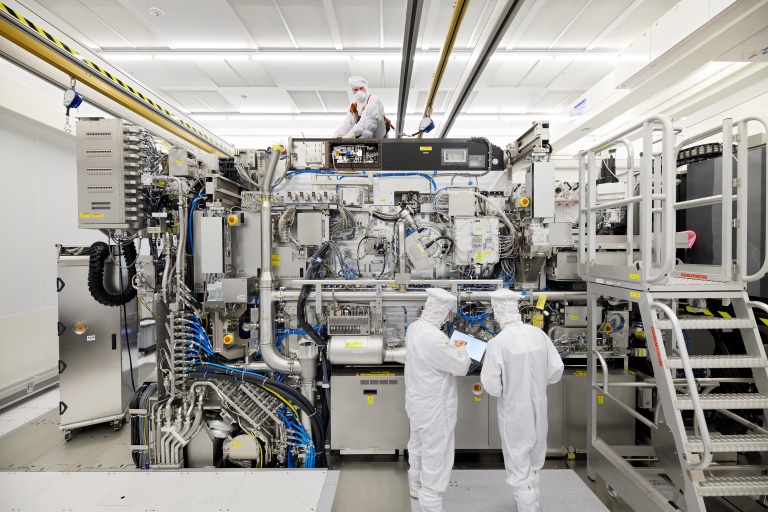 An ASML cleanroom where a euv machine is being assembled. Photo: ASML
ASML
An ASML cleanroom where a euv machine is being assembled. Photo: ASML
ASML
ASML has secured final permission for a major expansion in Eindhoven that is expected to add 20,000 jobs, according to DutchNews.nl. The chip-equipment maker’s new campus plan has been treated as an industrial-policy trophy in the Netherlands, arriving as European leaders talk up “strategic autonomy” in semiconductors.
The headline number is not just about cleanrooms and lithography tools. A single employer adding a workforce the size of a mid-sized city forces a second build-out that rarely fits into the press release: housing, transport links, grid connections, and a local labour market that can actually staff the project. The Dutch state can subsidise training and accelerate permits, but it cannot conjure apartments or transmission capacity on the same timetable as a corporate hiring plan.
Eindhoven’s region already sits inside Europe’s tightest talent loop: engineers imported from elsewhere bid up wages and rents, while service workers are pushed farther out. A jobs surge of this magnitude tends to widen that split. The same dynamic shows up in the infrastructure queue: data centres, factories, and new neighbourhoods all compete for scarce connections, and the bottleneck moves from “innovation” to planning offices, substations, and court-proof zoning.
That, in turn, changes ASML’s relationship with politics. When a municipality becomes dependent on one megafirm for tax base and employment, the firm’s constraints become public priorities. Exceptions—faster permitting, tailored transport projects, special land allocations—can be framed as national interest rather than corporate preference. The costs, meanwhile, are diffused: higher local housing costs are paid by residents; grid upgrades are socialised through regulated tariffs; and the labour shortfall is often answered with migration policy rather than productivity gains.
Europe’s semiconductor ambition is frequently described as a technology race against the US and Asia. The Eindhoven expansion illustrates a more prosaic contest: whether European regions can supply the physical and administrative inputs—land, power, housing, approvals—fast enough that a globally mobile company does not decide to grow elsewhere.
DutchNews.nl reports the campus has now received the final green light. The next constraint is unlikely to be a shortage of demand for chip machines.