
Pentagon says US destroys 16 Iranian mine-laying vessels
Hormuz mine claims reprice shipping insurance before any blockade, energy costs move with underwriters not warships
Images
.jpg) The Pentagon says the US has sunk 16 mine-laying ships after Trump threatened Iran over reports of mines in the Strait of Hormuz (AFP/Getty)
AFP/Getty
The Pentagon says the US has sunk 16 mine-laying ships after Trump threatened Iran over reports of mines in the Strait of Hormuz (AFP/Getty)
AFP/Getty
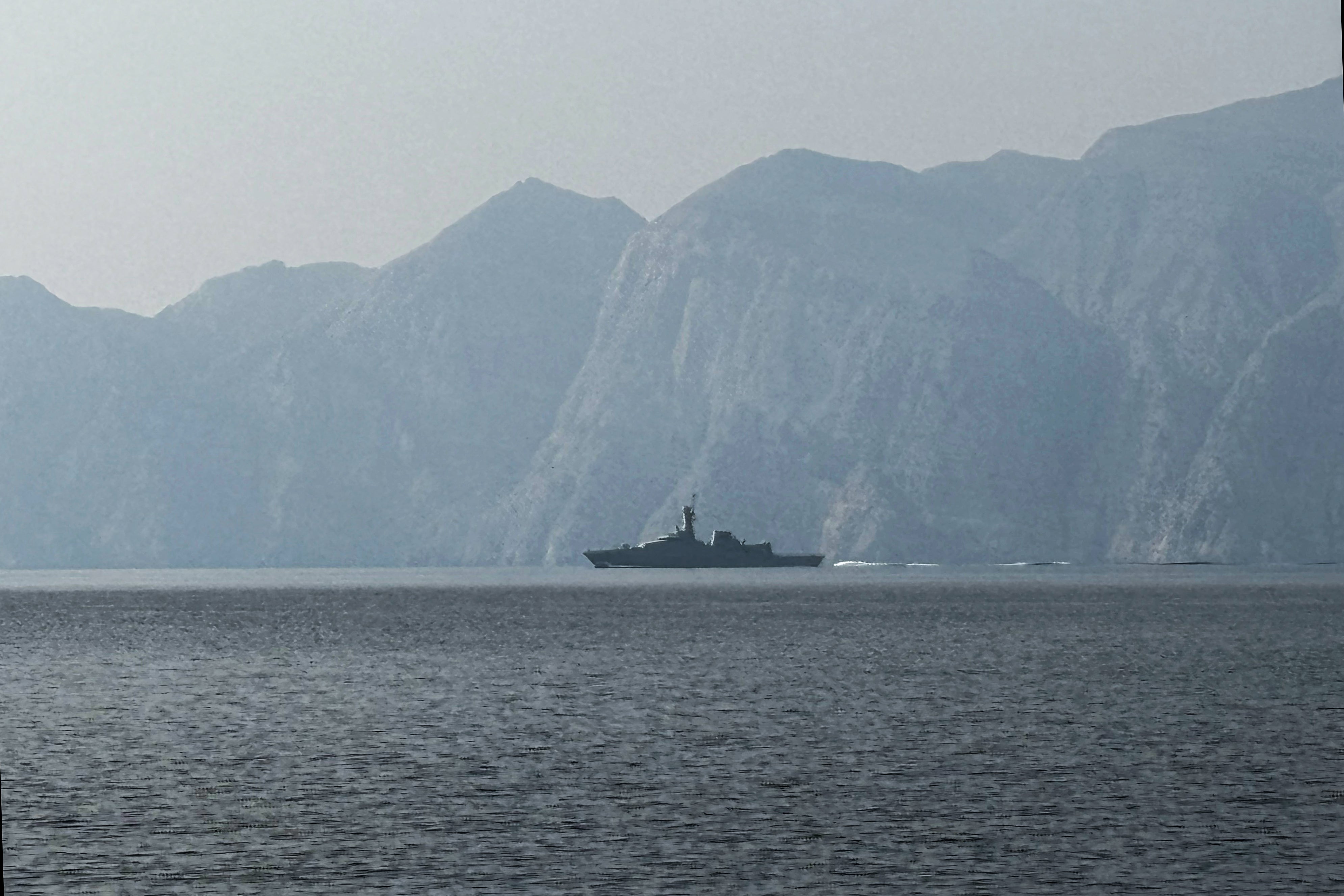 The Strait of Hormuz is a waterway bordered in the north by Iran that carries about a fifth of the world’s oil supply (AFP/Getty)
AFP/Getty
The Strait of Hormuz is a waterway bordered in the north by Iran that carries about a fifth of the world’s oil supply (AFP/Getty)
AFP/Getty
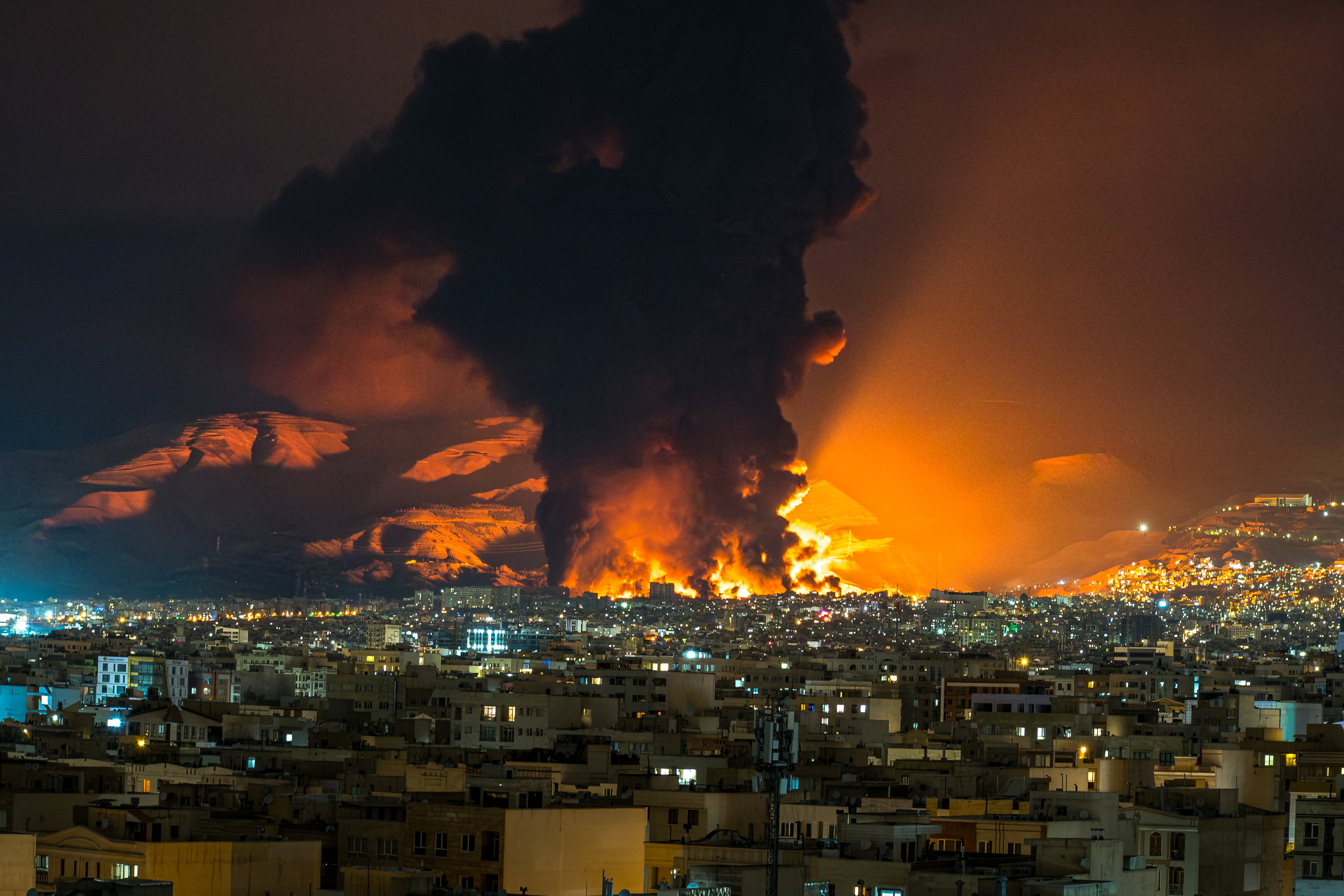 The Iran war, which began more than a week ago, has caused uncertainty in the oil and gas industry (Middle East Images)
Middle East Images
The Iran war, which began more than a week ago, has caused uncertainty in the oil and gas industry (Middle East Images)
Middle East Images
The Pentagon says US forces destroyed 16 Iranian mine-laying vessels near the Strait of Hormuz after US intelligence indicated Tehran was preparing to deploy mines in the waterway, according to The Independent. President Donald Trump amplified the claim on Truth Social and warned Iran of “military consequences… at a level never seen before” if mines were placed and not removed. The strait carries roughly a fifth of global oil shipments, and even unverified mine reports can change how cargo moves.
What moves first is not a fleet but a spreadsheet. A mine threat is a pricing event: war-risk insurance, hull and machinery cover, P&I club terms, and bank financing covenants can tighten within hours, forcing shipowners to reroute, delay, or demand higher freight rates before a single mine is confirmed. Tanker operators may switch to longer routes, break voyages into smaller legs, or wait for naval escorts; each choice reduces effective supply of shipping capacity and pushes up delivered energy costs. For Europe, that passes through to gas benchmarks such as TTF and to LNG cargo economics, because LNG is priced not only by molecule but by the cost of getting it safely through choke points.
The Independent notes oil prices surged to near $120 a barrel earlier in the week before falling back below $90 after Trump suggested the war was “pretty much” complete. That swing is typical of a market trying to price two different worlds: one where Hormuz remains a functioning corridor, and one where paperwork and risk committees treat it as intermittently closed. The second-order effect is that insurers and shippers become de facto regulators of trade flows, rationing passage by price rather than by blockade. Importers in Asia—where most Hormuz oil is sold—pay the risk premium first, but Europe often absorbs it through marginal LNG pricing and higher financing costs for energy-intensive industry.
The military claims also create an information asymmetry: governments can announce tonnage destroyed, while commercial actors must decide whether to accept the residual risk. If underwriters believe mines may still be present—or that new ones can be laid—premiums stay elevated even after tactical successes. Conversely, if the mine threat is overstated, the cost is still real: freight surcharges, delayed cargoes, and hedging losses are paid in cash long before any after-action report is published.
US Central Command’s statement, Trump’s public warnings, and reports citing unnamed US officials are now part of the same market input. The result is that the Strait of Hormuz can be “open” on a map while becoming expensive enough to function like a partial closure.
The Pentagon says it sank 16 mine-laying vessels. Shipowners will still ask their insurers what it costs to sail tomorrow morning.