
LNG Canada accelerates Asia exports
Qatar force majeure tightens global LNG market, war-risk premium turns into an exporter windfall
Images
 globalnews.ca
 Click to play video: 'Poilievre calls on Carney government to hold emergency debate on Canada’s energy situation'
globalnews.ca
Click to play video: 'Poilievre calls on Carney government to hold emergency debate on Canada’s energy situation'
globalnews.ca
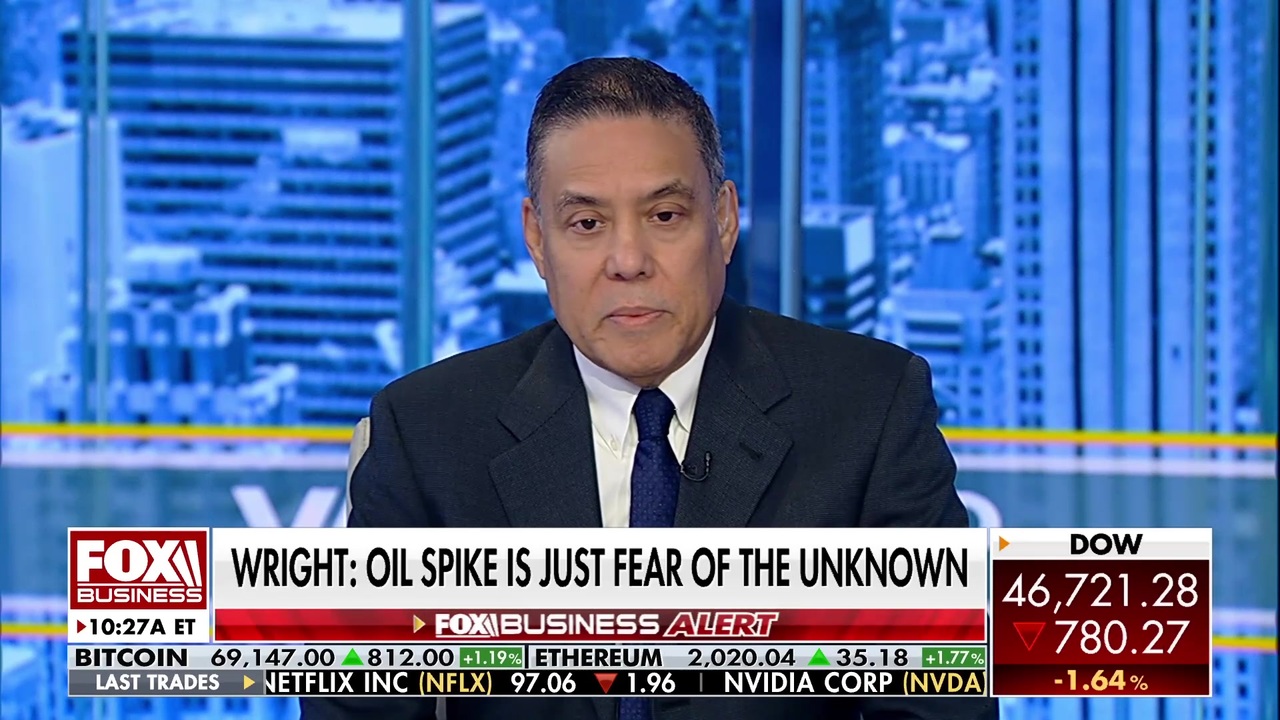 Former JP Morgan Chase chief economist Anthony Chan breaks down the run up in oil prices on 'Varney & Co.'
foxbusiness.com
Former JP Morgan Chase chief economist Anthony Chan breaks down the run up in oil prices on 'Varney & Co.'
foxbusiness.com
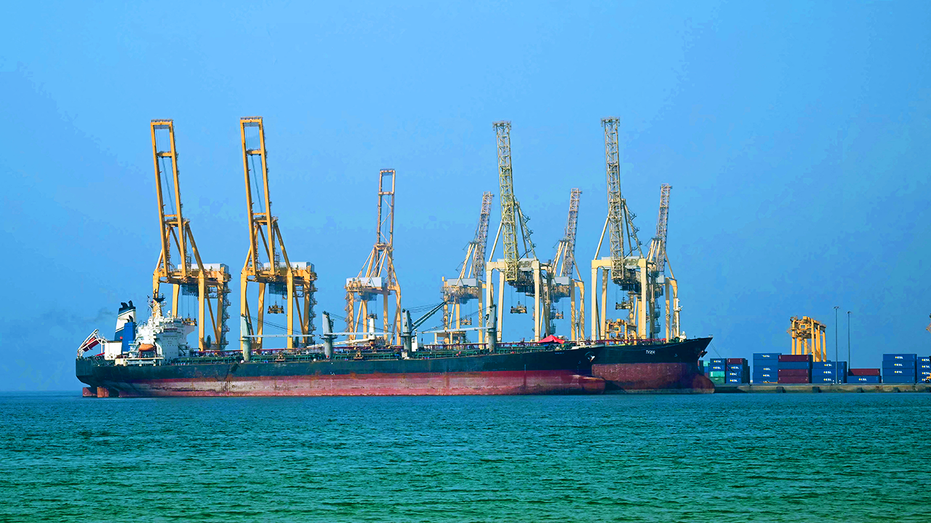 Oil tanker in Strait of Hormuz
foxbusiness.com
Oil tanker in Strait of Hormuz
foxbusiness.com
 An oil pump jack pumps oil in a field near Calgary, Alberta, Canada on July 21, 2014.
foxbusiness.com
An oil pump jack pumps oil in a field near Calgary, Alberta, Canada on July 21, 2014.
foxbusiness.com
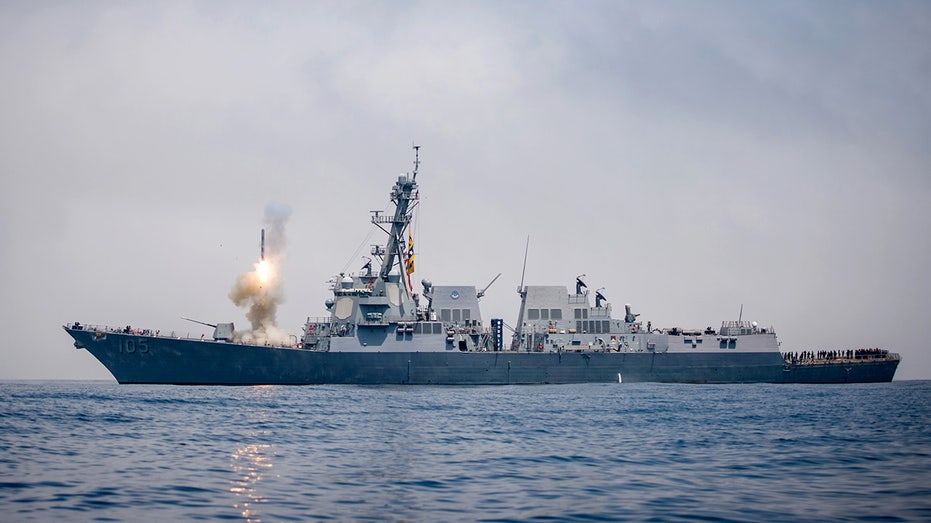 USS Dewey launches a Tomahawk missile
foxbusiness.com
USS Dewey launches a Tomahawk missile
foxbusiness.com
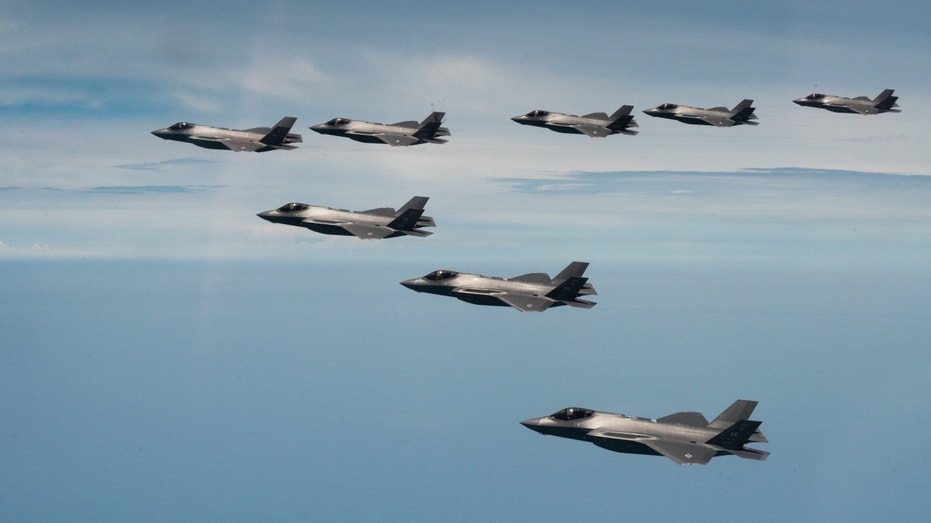 F-35 joint exercise formation
foxbusiness.com
F-35 joint exercise formation
foxbusiness.com
LNG Canada loaded five cargoes for Asia in the first 11 days of March and had a sixth due to depart Tuesday, according to LSEG shipping data cited by Global News. The Shell-led terminal in Kitimat, British Columbia, began operations in mid-2025 and is designed for about 14 million tonnes a year; the flow this month implies it is running close to nameplate capacity. The surge comes as Qatar — source of roughly a fifth of globally traded LNG — has halted production and declared force majeure after tanker traffic through the Strait of Hormuz became untenable, Global News reports.
The immediate effect is a price signal that behaves like a transfer from importers to exporters. When a chokepoint becomes uninsurable or unfinanceable, cargoes do not need to be physically blocked for supply to tighten; buyers bid up marginal molecules from anywhere that can still ship. The winners are the producers with spare liquefaction and the exporters with routes that avoid the Gulf: Canada’s new Pacific outlet, US Gulf Coast terminals, Norway’s pipeline gas, and Qatar’s competitors in the Atlantic Basin. The losers are the regions that cannot substitute quickly — especially Asian buyers whose contracts and shipping patterns are built around Gulf volumes, and European buyers who must compete for the same flexible cargoes.
The Canadian case also shows how quickly “energy security” turns into a balance-sheet question. Before LNG Canada’s start-up, Western Canadian producers ramped output in anticipation of new demand; when the plant ramped more slowly, local prices slumped and briefly went negative, prompting some producers to curtail, Advantage Energy’s CEO told Global News. Now the same system flips: AECO prices were around $2 per million Btu, still at a steep discount to the US Henry Hub benchmark, while cargoes clear at Asian-linked prices that reflect war-risk and scarcity. The spread is not created by geology but by which governments, insurers and banks will underwrite which routes.
That is why strategic reserves and price controls keep returning to the conversation. Fox Business notes G7 and International Energy Agency discussions about coordinated releases from strategic stocks to “cool prices,” even as officials said they were not acting immediately. Such tools do not create new supply; they shift who bears the cost of interruption and when. Releasing reserves dampens spot prices for importers while preserving export revenues for producers already selling at elevated levels, and it can delay demand destruction that would otherwise force prices down.
LNG Canada’s spokesperson told Global News that a 58th cargo would depart “in the coming days.” In Kitimat, a new export terminal is behaving like a shock absorber for Asia — and a new revenue line item for whoever can still load a ship.