
Uber rolls out women-only matching across US
Safety feature expands after pilots while discrimination lawsuits target the same design, algorithmic choice meets civil-rights law
Images
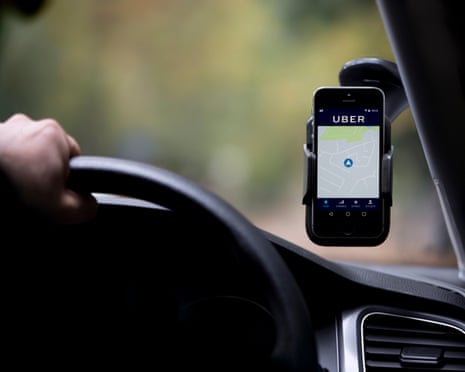 Uber expanded a pilot program aimed at addressing concerns about the safety of its ride-hailing platform. Photograph: Russell Hart/Alamy
theguardian.com
Uber expanded a pilot program aimed at addressing concerns about the safety of its ride-hailing platform. Photograph: Russell Hart/Alamy
theguardian.com
Uber is rolling out a “women-only” matching option across the United States, allowing female riders to request a female driver and female drivers to prefer female passengers, according to the Associated Press as carried by The Guardian. The feature appears in the app as “women drivers” and includes a fallback: passengers can switch to a regular ride if the wait for a woman driver is too long, and they can also reserve a trip with a female driver in advance. A separate setting lets women express a preference—raising the odds of a match without guaranteeing it.
Uber says roughly one-fifth of its US drivers are women, though the share varies by city. That constraint turns the feature into a supply problem as much as a safety feature: a strict guarantee would strand riders in many areas, while a “preference” can be offered without rewriting the entire dispatch system. The design choices—opt-in, not guaranteed, with an escape hatch—read like an attempt to convert a social demand into something the marketplace can actually schedule.
The rollout comes with legal risk. Two California Uber drivers filed a class-action lawsuit in November arguing the policy discriminates against men under California’s Unruh Act, which bars sex discrimination by businesses. The suit argues that minority female drivers gain access to the full pool of passengers while male drivers compete for a smaller pool, and that the policy “reinforces the gender stereotype that men are more dangerous than women.” Uber has moved to compel arbitration, pointing to the agreement drivers sign when joining the platform.
Lyft faces a similar challenge over its “women+connect” feature, introduced nationwide in 2024, which matches women and non-binary riders with drivers who identify the same way. Uber’s version has been piloted in San Francisco, Los Angeles and Detroit, then expanded to 26 cities in November, and now goes nationwide.
The company is also extending the option to teen accounts, a group that has become central to platform safety debates. Both Uber and Lyft have faced years of criticism over safety, including reports of sexual assault involving passengers and drivers. The Guardian report notes a February federal jury verdict finding Uber legally responsible in a 2023 sexual-assault case, ordering it to pay $8.5m to an Arizona woman who said she was raped by an Uber driver.
Uber’s long-running position is that drivers are independent contractors and the company is not liable for their misconduct. At the same time, the platform is now offering a paid, algorithmic way to reduce risk for some users by narrowing who they are matched with.
A ride-hailing app that insists it is not an employer is now litigating over whether its matching preferences count as discrimination.