
US appeals court voids Chicago ICE injunction
Judges reject district court oversight of executive branch operations, immigration enforcement shifts back to agency playbooks and narrower lawsuits
Images
 Chicago mayor rips Trump at Democrats’ SOTU opposition event
foxnews.com
Chicago mayor rips Trump at Democrats’ SOTU opposition event
foxnews.com
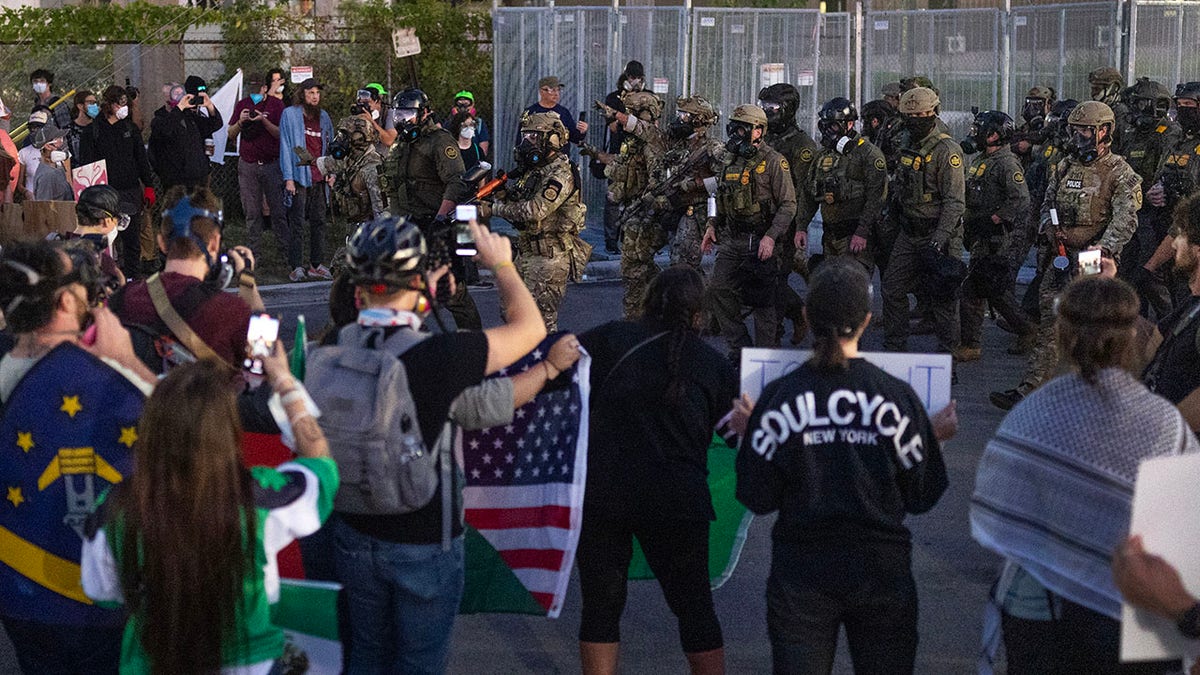 Anti-ICE protesters and authorities in Broadview, Illinois.
foxnews.com
Anti-ICE protesters and authorities in Broadview, Illinois.
foxnews.com
 border patrol agents in Illinois
foxnews.com
border patrol agents in Illinois
foxnews.com
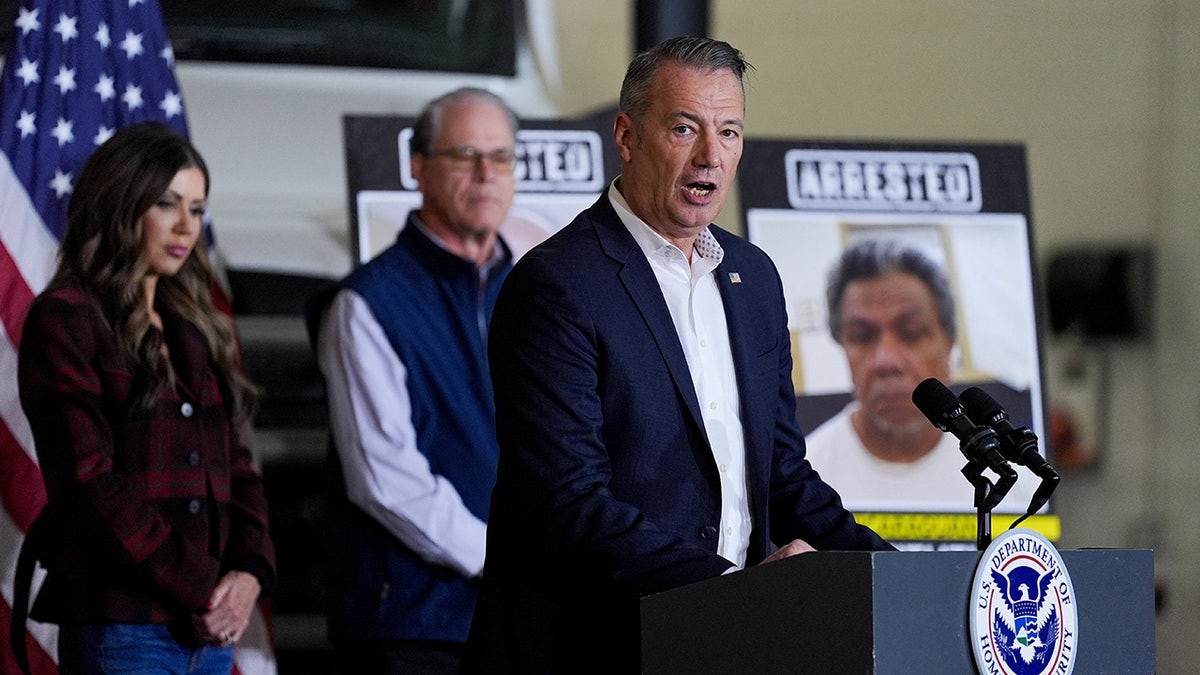 Operation Midway Blitz
foxnews.com
Operation Midway Blitz
foxnews.com
A federal appeals court has thrown out a sweeping injunction that attempted to regulate how federal immigration agents conduct enforcement operations in Chicago, after concluding the order effectively made the district court “the supervisor of all Executive Branch activity” in the city, according to Fox News.
The case grew out of clashes during “Operation Midway Blitz,” a Trump administration enforcement campaign. U.S. District Judge Sara Ellis—an Obama appointee—issued a 233-page ruling granting a class-wide preliminary injunction aimed at Homeland Security and the Justice Department, including requirements tied to force policies and body-worn cameras. The Seventh Circuit panel vacated the injunction and dismissed the appeal, calling the relief overbroad and constitutionally suspect, and objecting in particular to language that applied to entire departments and “anyone acting in concert with them.”
The procedural twist is that the plaintiffs had already sought to dismiss their own lawsuit on the grounds that the operation had largely ended. The appellate majority still chose to wipe the injunction, saying it was necessary to prevent the order from “spawning any legal consequences.” One judge dissented, arguing the appeal should simply have been dismissed.
In practice, the ruling clarifies who runs immigration enforcement when street-level operations collide with protest, media scrutiny, and shifting agency tactics. A district court can police specific alleged violations; it cannot take over the operating manual for federal agencies in a major city. That boundary matters because immigration enforcement is increasingly administered as a rolling campaign: when one tactic is blocked, agencies re-route through different facilities, different jurisdictions, or different legal theories.
The incentives on both sides push toward maximal friction. Agencies gain leverage from speed, surprise, and operational flexibility; activist networks gain leverage from broad injunctions that turn individual incidents into system-wide constraints. The losers are often the people caught in the middle: residents, journalists, and migrants who end up navigating rules that change by court order, internal memo, or weekend operation.
The Seventh Circuit’s decision leaves Chicago without the court-imposed supervisory regime Ellis attempted to build, and it returns the dispute to the narrower question of whether specific actions violate existing law rather than whether a judge can pre-approve future enforcement plans.