
Kevin Kiley quits House Republicans
GOP majority shrinks to razor edge as Trump ties legislation to voter ID ultimatum, procedural power concentrates in a handful of defections
Images
 Lara Trump: Retaining a GOP majority is more important now than ever
foxnews.com
Lara Trump: Retaining a GOP majority is more important now than ever
foxnews.com
 California Rep. Kevin Kiley
foxnews.com
California Rep. Kevin Kiley
foxnews.com
 California Gov. Gavin Newsom speaks at a rally
foxnews.com
California Gov. Gavin Newsom speaks at a rally
foxnews.com
 Speaker Mike Johnson standing still and looking toward reporters in a hallway at the Capitol.
foxnews.com
Speaker Mike Johnson standing still and looking toward reporters in a hallway at the Capitol.
foxnews.com
 Trump says he won’t sign new legislation until Congress passes strict voter ID bill – live
theguardian.com
Trump says he won’t sign new legislation until Congress passes strict voter ID bill – live
theguardian.com
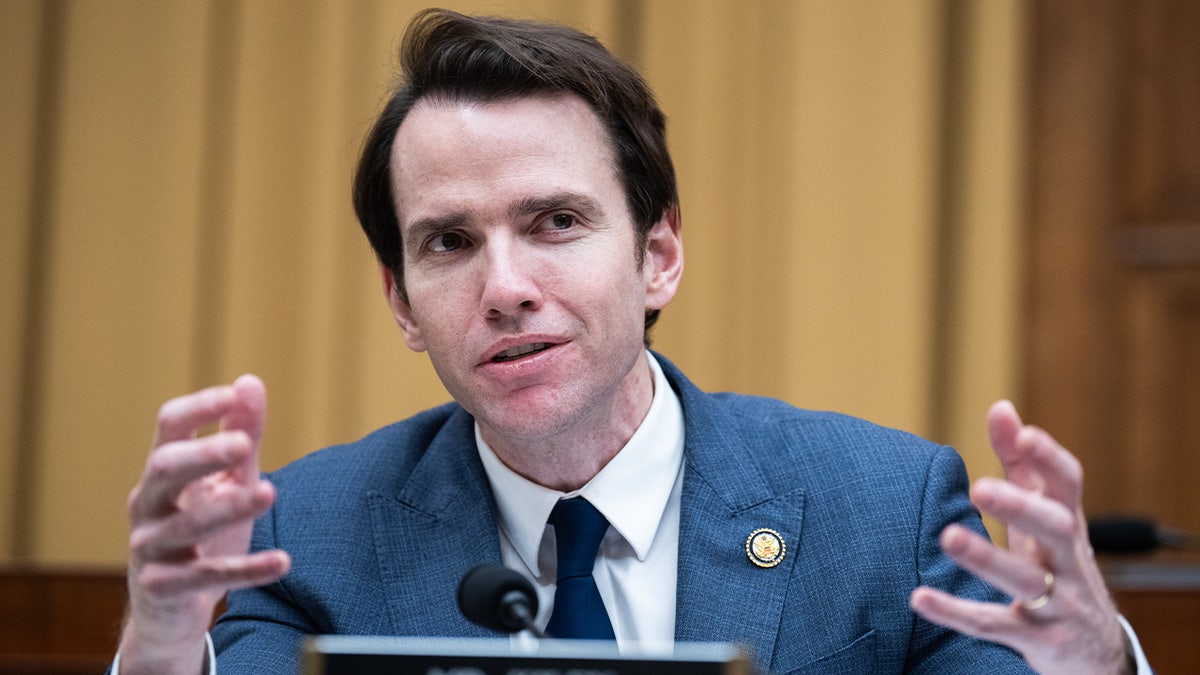
Representative Kevin Kiley of California said he is leaving the Republican Party immediately and asking the House clerk to list him as an independent, according to Fox News. With House Republicans already operating on a one-vote margin, his switch tightens day-to-day arithmetic even if he continues to caucus with Republicans to keep committee assignments.
Kiley’s move is tied to redistricting rather than ideology. Fox reports he had planned to run as an independent in November after California’s map was redrawn to make his current seat more Democratic-leaning; he now says he will run in a district rated D+5 by the Cook Political Report. The practical effect is that a member can market independence to voters at home while remaining administratively tethered to the party leadership in Washington, because committee slots and internal resources are allocated through caucuses.
The change lands as President Donald Trump tries to govern by conditional signatures rather than negotiated majorities. In a post reported by The Guardian, Trump said he would not sign new legislation until Congress passes the SAVE America Act, a voter-ID and proof-of-citizenship bill that also tightens rules around mail-in ballots. The measure is “struggling to clear the Senate,” the Guardian notes, making the threat less a legislative plan than a way to force unrelated bills into a single hostage bundle.
In a House with a one- or two-vote margin, bundling is not a theoretical risk. Any member who can credibly threaten to withhold a vote—whether as a protest, a bargaining chip, or a campaign positioning exercise—can turn routine governing into a sequence of brinkmanship deadlines. The result is a legislature that becomes easier to block than to steer: leadership spends time counting defections, while the White House shifts policy into executive actions, deadlines, and public ultimatums.
That pattern tends to export volatility. When Washington’s domestic machinery runs on improvised coalitions and stop‑gap deals, foreign policy and trade commitments become harder to price: allies and markets must assume that the next budget, sanctions package, or security posture can be rewritten by a handful of votes and a social-media post.
Kiley’s office told Fox he will still caucus with Republicans, but his name will appear on the House roster under “Independent.”