
UK Mother’s Day flower boom draws on Kenyan labour
Kenya supplies most British roses while workers report long hours and chemical exposure, ethical labels compete with price pressure
Images
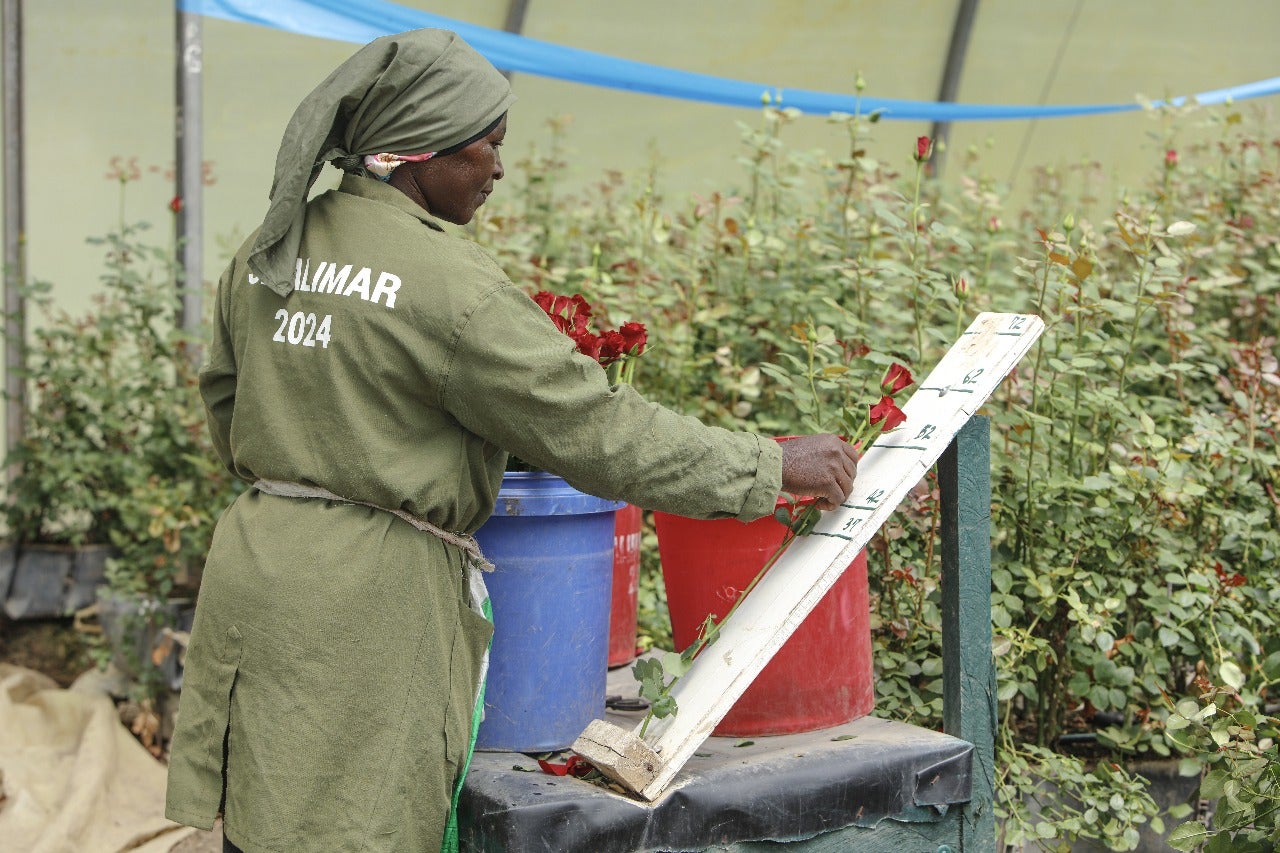 The work on flower farms is hard and meticulous. ‘On most flower farms, people are suffering, and they have no way to speak out or complain. It’s like a dictatorship,’ says Rebecca (Fairtrade Africa)
Fairtrade Africa
The work on flower farms is hard and meticulous. ‘On most flower farms, people are suffering, and they have no way to speak out or complain. It’s like a dictatorship,’ says Rebecca (Fairtrade Africa)
Fairtrade Africa
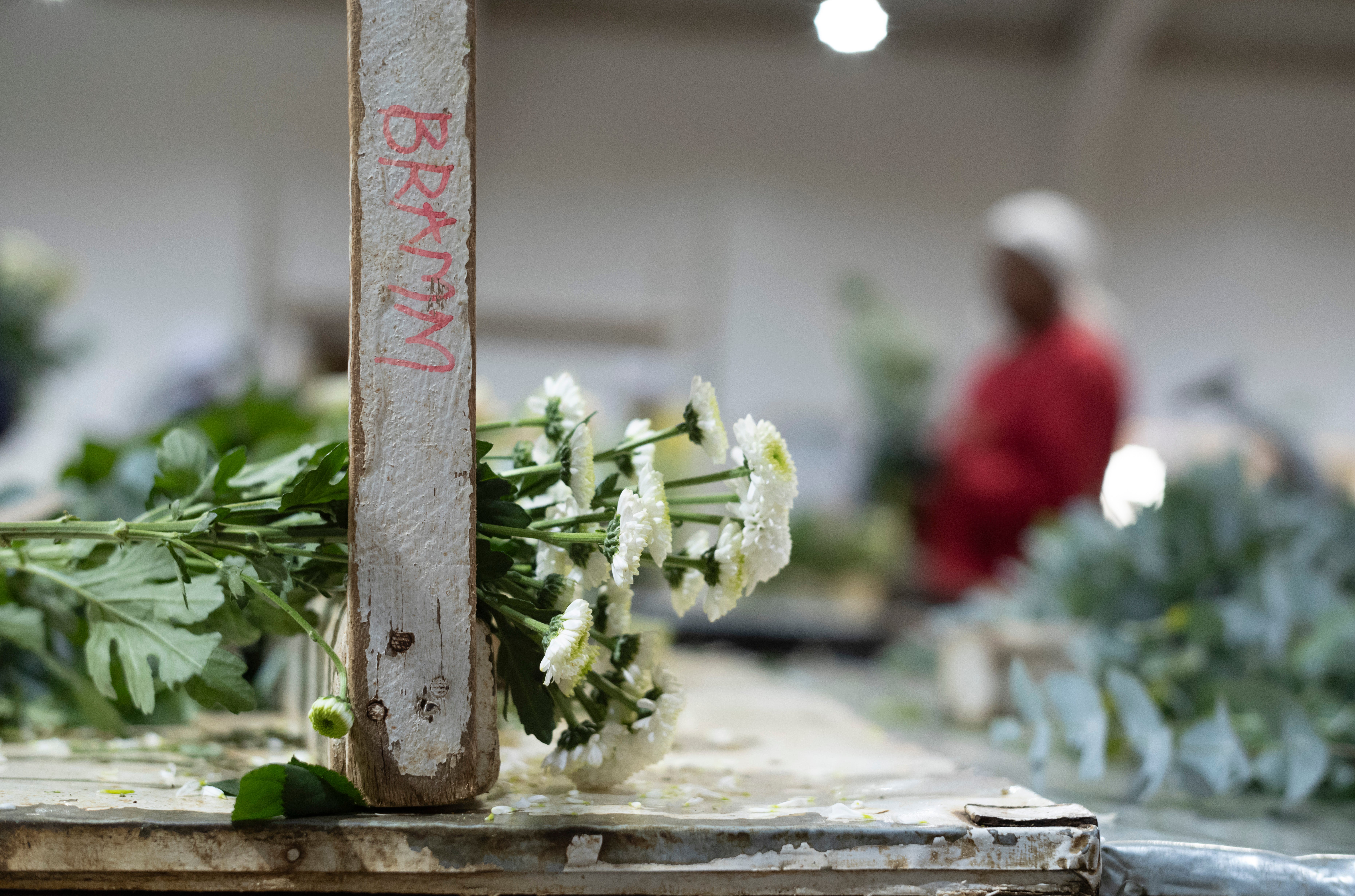 Labour concerns at flower farms include long hours, unsafe working conditions and exposure to harmful chemicals – all the while earning an average of less than £2 per day (Fairtrade Africa)
Fairtrade Africa
Labour concerns at flower farms include long hours, unsafe working conditions and exposure to harmful chemicals – all the while earning an average of less than £2 per day (Fairtrade Africa)
Fairtrade Africa
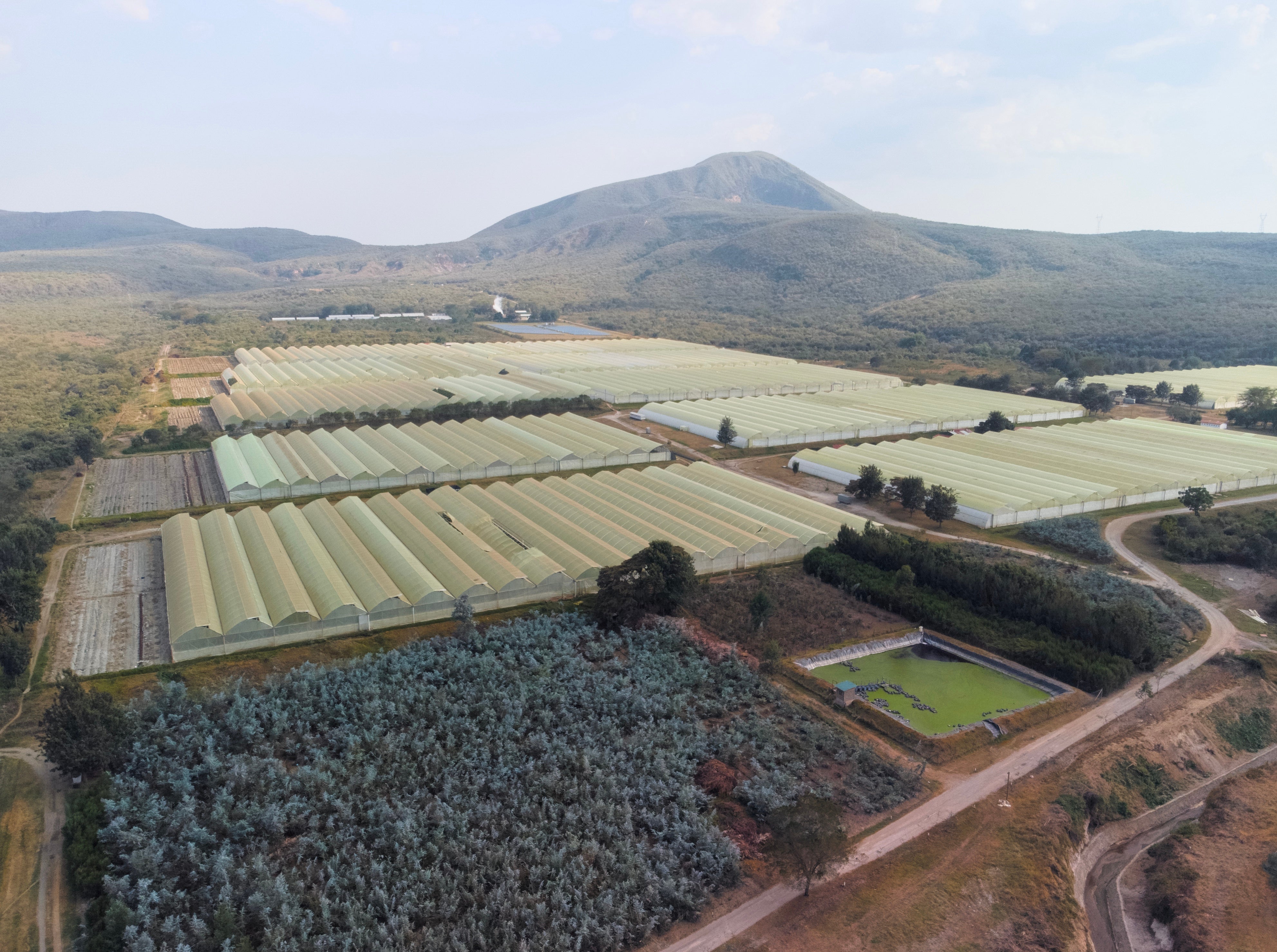 A flower farm stretches out into the distance in Naivasha, which is a Kenyan city in the Great Rift Valley at the heart of the country’s flower industry (Fairtrade Africa)
Fairtrade Africa
A flower farm stretches out into the distance in Naivasha, which is a Kenyan city in the Great Rift Valley at the heart of the country’s flower industry (Fairtrade Africa)
Fairtrade Africa
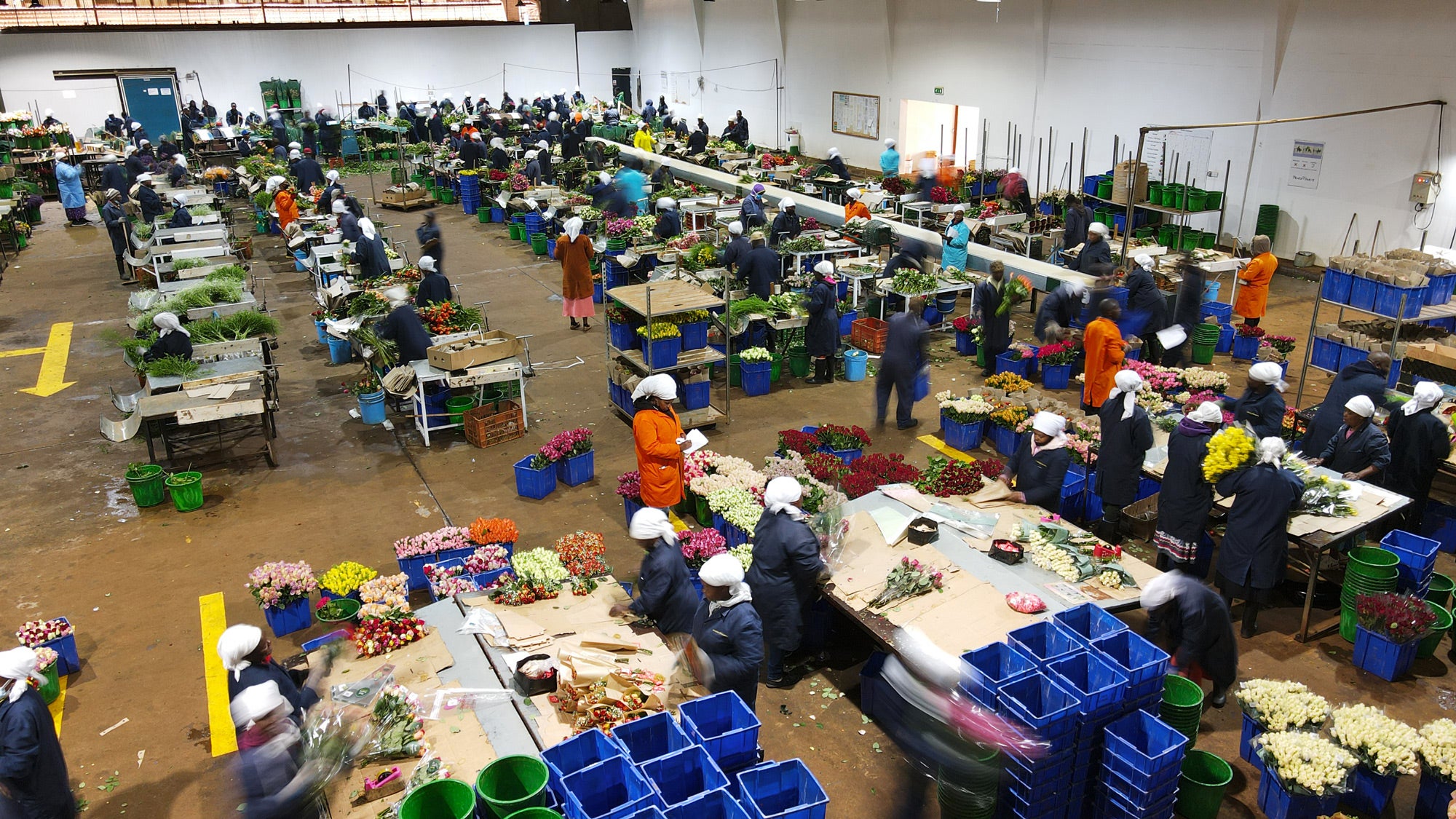 Workers are seen packing different kinds of flowers ready for export. Kenya supplies a massive chunk of the UK’s flowers, including 60 per cent of our roses (Fairtrade Africa)
Fairtrade Africa
Workers are seen packing different kinds of flowers ready for export. Kenya supplies a massive chunk of the UK’s flowers, including 60 per cent of our roses (Fairtrade Africa)
Fairtrade Africa
.jpg) According to the Fairtrade Foundation, obligating UK companies to fully report and respond to environmental and human rights risks in their supply chains could have a transformational impact on the Kenyan flower industry (Fairtrade Africa)
Fairtrade Africa
According to the Fairtrade Foundation, obligating UK companies to fully report and respond to environmental and human rights risks in their supply chains could have a transformational impact on the Kenyan flower industry (Fairtrade Africa)
Fairtrade Africa
More than 20 million flowers are expected to be bought in the UK for Mother’s Day this week, according to the Independent, a spike that feeds a global cut-flower trade estimated at about $30bn. Kenya supplies roughly 60% of the roses sold in Britain, yet a Kantar poll for the Fairtrade Foundation found 96% of UK adults did not know most Mother’s Day flowers come from East Africa.
The distance between the checkout and the greenhouse matters because the cost-cutting happens where scrutiny is weakest. A Kenyan flower worker, Rebecca Amoth, told the Independent that on many farms workers endure 12-hour days, six days a week, with little ability to complain. She described chemical spraying that sometimes occurs without warning, leaving workers unable to judge whether it is safe to handle flowers; she said rashes and itching are common and some workers end up in hospital.
Fairtrade certification, in her account, improved conditions at her own farm after it was certified in 2010, but the business model still depends on cheap, replaceable labour. Wages cited in the report average under £2 a day, while the highest margins in the chain sit elsewhere: in cold-chain logistics, auctions, branding, and retail shelf space in Europe. Certification becomes a signalling tool in that system—useful for buyers and supermarkets managing reputational risk—while the worker’s leverage remains tied to local labour markets and enforcement.
Kenya’s flower industry is concentrated around Naivasha in the Great Rift Valley, an export cluster built to meet European demand on tight delivery windows. That dependence makes farms sensitive to price pressure from buyers who can switch suppliers across borders, and it makes workers sensitive to any disruption that threatens the next contract. Campaigners quoted by the Independent argue the UK should mandate supply-chain due diligence, but the same dynamic that created the trade—outsourcing production to jurisdictions with cheaper labour and weaker remedies—also makes compliance a box-ticking exercise unless buyers are willing to pay more or walk away.
In Naivasha, Amoth said many workers cannot safely judge when sprayed flowers are safe to touch. In London, the bouquet is already wrapped and priced.