
Hungary seizes Oschadbank cash convoy near Budapest
Ukrainian state bank demands return of $40m and €35m plus 9kg gold, Schengen bans turn a compliance case into a diplomatic row
Images
 Ukraine's Oschadbank demands money back, denies mafia allegations
euronews.com
Ukraine's Oschadbank demands money back, denies mafia allegations
euronews.com
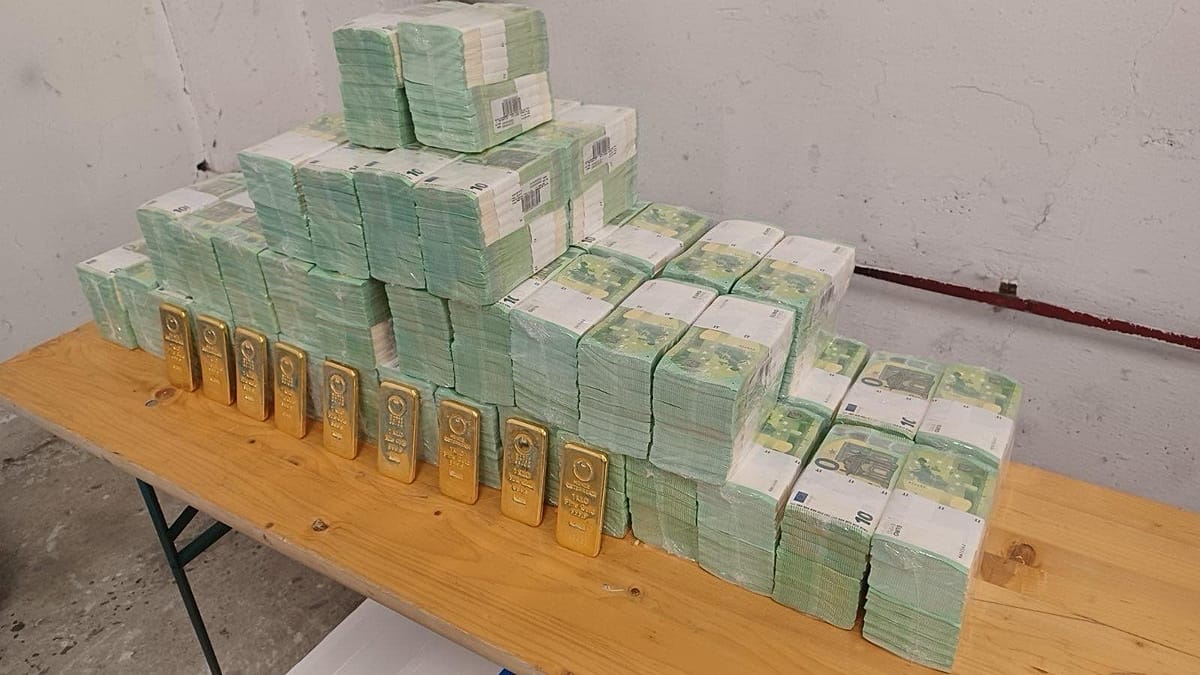
Hungarian authorities have seized $40m, €35m and 9kg of gold from a convoy near Budapest that lawyers say was moving the cash from Austria’s Raiffeisen Bank to Ukraine’s state-owned Oschadbank. According to Euronews, Hungary opened a money-laundering investigation, expelled seven Ukrainian nationals linked to the transport, and imposed three-year bans from the Schengen area and the wider EU.
Oschadbank, through its Hungarian legal representatives at Horváth Lawyers, is demanding the immediate return of the assets and says the origin and purpose of the funds can be documented. The firm says the transfers have been taking place through Hungary since Russia’s full-scale invasion in 2022, “with the knowledge of Hungarian authorities,” and that this particular shipment was conducted lawfully and under official control. Budapest’s political leadership is framing the seizure differently: foreign minister Péter Szijjártó publicly raised the possibility the funds were tied to criminal activity, while construction and transport minister János Lázár suggested they could be linked to opposition party financing ahead of elections.
The dispute lands in a familiar EU fault line: financial compliance and sanctions-era scrutiny on one side, geopolitical loyalty tests on the other. Cash and gold are not exotic instruments in wartime—when cross-border payments become slower, more surveilled, or more interruptible, physical value moves again. But physical shipments also create chokepoints where a host country can turn a routine transfer into a criminal probe, a diplomatic incident, or both. For a member state already in open conflict with Brussels on rule-of-law issues, a high-profile seizure involving Ukraine invites a second-order question: who carries the reputational cost if the EU’s internal market becomes a venue for politically charged asset confiscations.
The Schengen bans imposed on the seven Ukrainians underline how quickly financial enforcement can shift into security measures with limited transparency. Horváth Lawyers told Euronews the “national security” justification lacked substantive detail and that legal remedies were narrow—grounds they say could support a case at the European Court of Human Rights. Even if the cash ultimately returns to Kyiv, the episode signals to banks and insurers that wartime logistics now includes the possibility of sudden border-state intervention, with legal timelines measured in months and political narratives formed in hours.
Hungary has not publicly released the evidence behind its money-laundering suspicion, while Oschadbank says its documentation is sufficient to show the funds’ origin and destination. For now, $40m, €35m and 9kg of gold sit in Hungarian custody, and seven people connected to the shipment are barred from entering the EU for three years.