
Bahrain declares force majeure after Iran strike hits sole refinery
Al-Ma'ameer fire tests Gulf export contracts and shipping insurance, political backstops replace price discipline
Images
 Bahrain declares force majeure as Iran sets its only refinery ablaze
euronews.com
Bahrain declares force majeure as Iran sets its only refinery ablaze
euronews.com
 What is force majeure? Bahrain makes declaration after Iran oil refinery attack
independent.co.uk
What is force majeure? Bahrain makes declaration after Iran oil refinery attack
independent.co.uk
 Stock markets plunge after oil surges over $100 a barrel, wiping out hopes of UK interest rate cut – business live
theguardian.com
Stock markets plunge after oil surges over $100 a barrel, wiping out hopes of UK interest rate cut – business live
theguardian.com
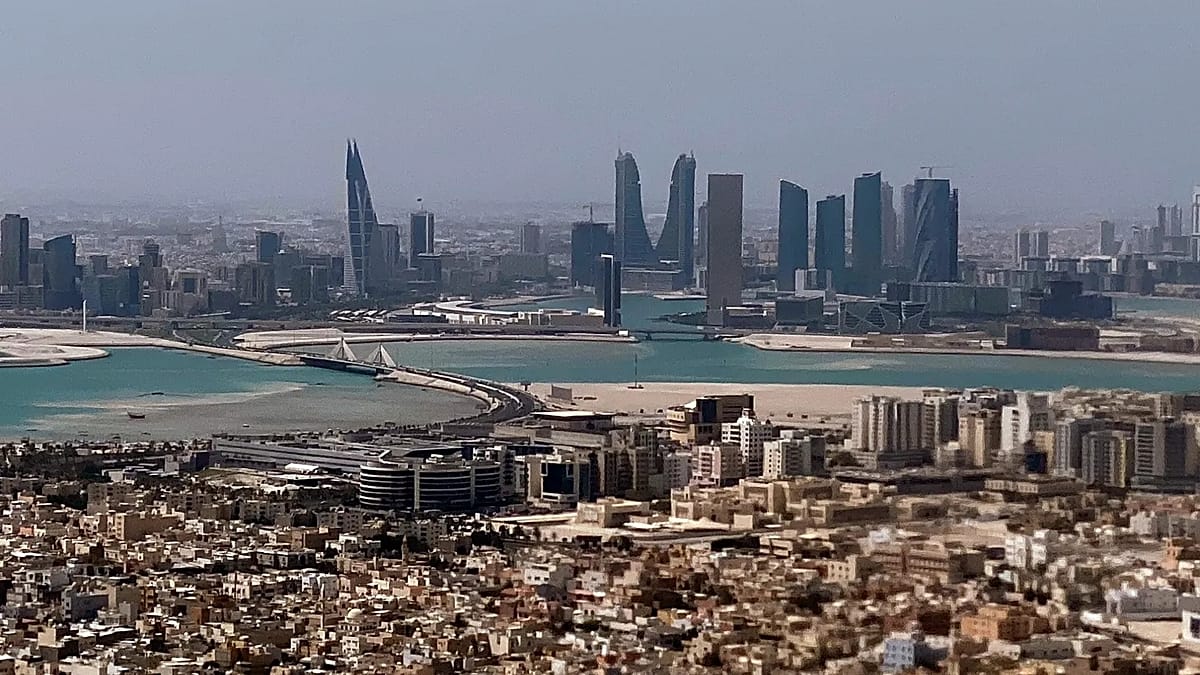
Bahrain’s state energy company Bapco Energies on Monday declared force majeure on oil shipments after an Iranian strike set the kingdom’s only refinery at Al‑Ma’ameer ablaze. The Bahrain News Agency reported no casualties, but videos showed heavy smoke over the industrial zone, and Bapco said operations were disrupted by the regional conflict.
The legal phrase is not rhetoric; it is a switch that reroutes costs. Force majeure clauses are designed to excuse non‑performance when events outside a party’s control make delivery impossible. According to The Independent’s explainer citing Reuters, invoking the clause can suspend contractual obligations and limit liability—turning what would normally be a commercial failure into a recognised wartime exception. For buyers, it shifts the problem from “Where is my cargo?” to “Which insurer, which court, and which credit line carries the loss?”
Bahrain’s refinery is a single point of failure in a small state that still sits inside the Gulf’s energy plumbing. Euronews notes the plant, originally built around 90 years ago and recently modernised, can process up to 380,000 barrels per day and was upgraded to produce more jet fuel and diesel. Bapco said it could still meet domestic demand—an implicit admission that export commitments are the first variable to be cut when physical capacity is constrained.
The move also fits a pattern: Euronews reports QatarEnergy declared force majeure last week after strikes on two LNG facilities, and Kuwait has followed with its own declaration after cutting output. The result is less a shortage than a chain of contractual “outs” spreading across the region, with each declaration creating a reason for counterparties to renegotiate volumes, delivery windows, and pricing formulas.
Markets react faster than governments, but governments often try to rewrite the bill after the fact. The Guardian’s live business coverage described crude surging above $100 a barrel amid fears of disruption, while G7 members and the International Energy Agency prepared talks on emergency reserves. Strategic stockpiles, price caps, and state-backed war‑risk measures can damp visible prices, but they also move risk from the parties who chose the routes and contracts to taxpayers and central balance sheets.
Bapco’s notice said its “group operations” were affected by the conflict; the rest of the world’s energy trade now has to decide which parts of that sentence are an operational fact and which are a contractual shield. The refinery fire is being fought with water and foam, while the downstream dispute will be fought with clauses, claims forms, and letters of credit.