
British Airways Avios portal honours Kate Spade points glitch
250 Avios per dollar briefly turns handbags into premium flights, loyalty currency shows it is a contract only when operator chooses
Images
 newsweek.com
 What Trump Has Said About New Iran Supreme Leader Mojtaba Khamenei
newsweek.com
What Trump Has Said About New Iran Supreme Leader Mojtaba Khamenei
newsweek.com
 Army Identifies Seventh US Casualty as National Guard Soldier
newsweek.com
Army Identifies Seventh US Casualty as National Guard Soldier
newsweek.com
 Who Are Emir Balat and Ibrahim Kayumi? Men Arrested Over NY IED
newsweek.com
Who Are Emir Balat and Ibrahim Kayumi? Men Arrested Over NY IED
newsweek.com
 Deadly Tornadoes Put Trump Weather Service Cuts Under Scrutiny
newsweek.com
Deadly Tornadoes Put Trump Weather Service Cuts Under Scrutiny
newsweek.com
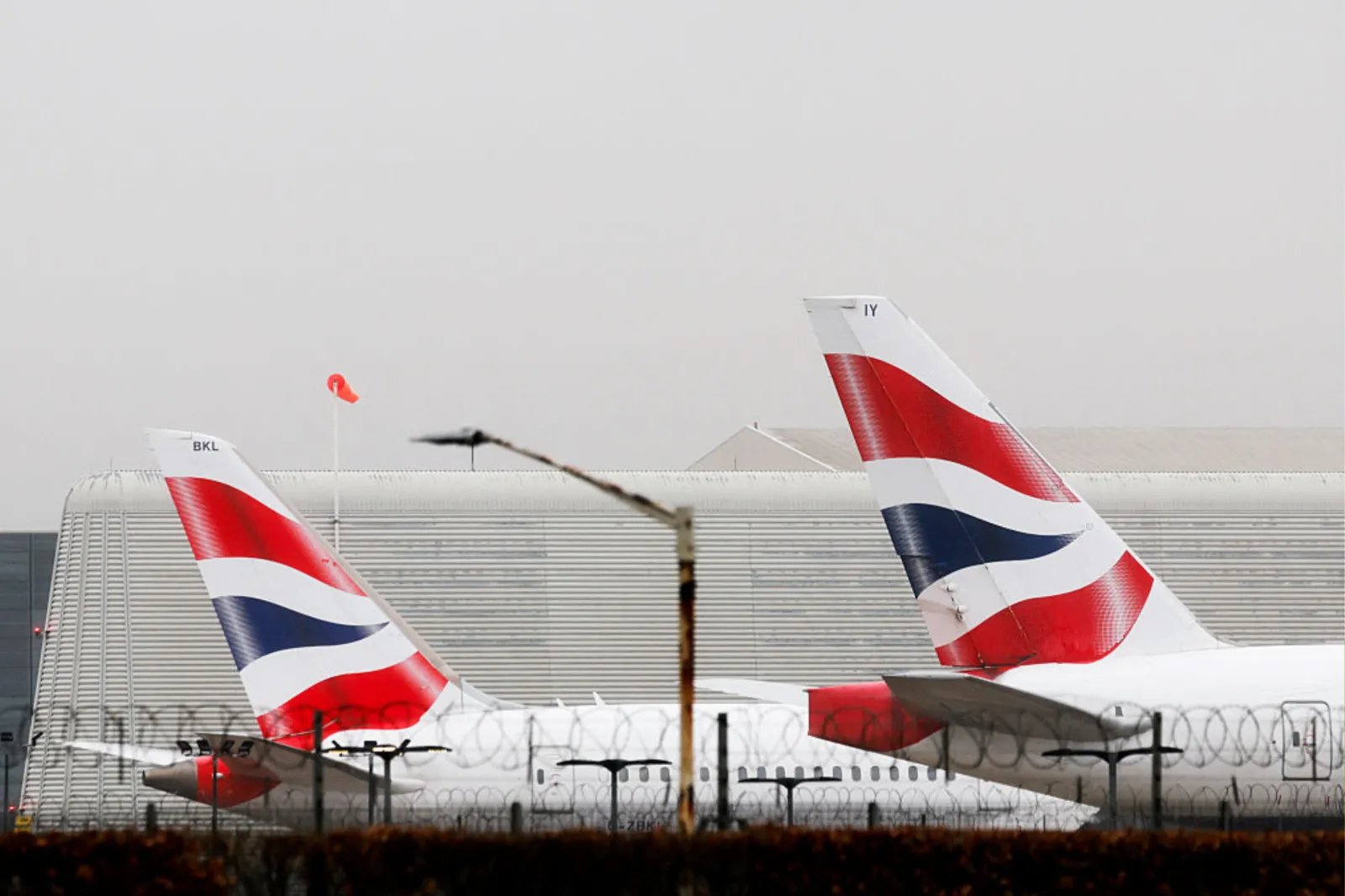
A short-lived pricing error on British Airways’ Avios shopping portal briefly offered 250 points per dollar at Kate Spade, and some customers are now reporting that the rewards have posted. According to Newsweek, one shopper who spent $3,500 on handbags received 846,500 Avios—enough, enthusiasts claim, for dozens of flights depending on route and cabin.
The episode is a clean illustration of how modern consumer platforms turn mistakes into organised behaviour within minutes. Airline shopping portals are built to make everyday purchases feel like travel, and the numbers are usually small—one to five points per dollar, with occasional promotions that may reach 15 or 20. At 250 points per dollar, the offer stopped being “loyalty” and became a trade: a temporary conversion rate between handbags and premium flights. That is why deal-tracking accounts flagged it, why buyers treated physical goods as a points conduit, and why some participants talked openly about donating the merchandise after extracting the reward value.
The company response also signals what loyalty programs increasingly are: private currencies that can be re-priced at will, but only sometimes. IAG Loyalty, which oversees Avios, told Newsweek the rate was displayed incorrectly “due to an error beyond our control,” yet said it would honour the published rate for eligible purchases once transactions were validated. That decision avoids a customer backlash and potential disputes over advertised terms, but it also sets a precedent: when a points system misprices, the key question becomes whether the operator chooses to treat it as a contract or a glitch.
It is not hard to see why the travel-points world is built around screenshots and timestamps. The underlying product—points—has no intrinsic cost of production and can be issued in bulk, while the redemption side is constrained by seat inventory and airline pricing. When the issuance side briefly breaks, the imbalance moves from a marketing budget line to the cabin.
The promotion disappeared quickly. The Avios, for many buyers, appear to have arrived weeks later.