
Hormuz disruption spreads from oil to fertiliser supply
South Asian rationing and factory shutdowns expose how food inputs depend on Gulf shipping, governments reach for caps and closures instead of prices
Images
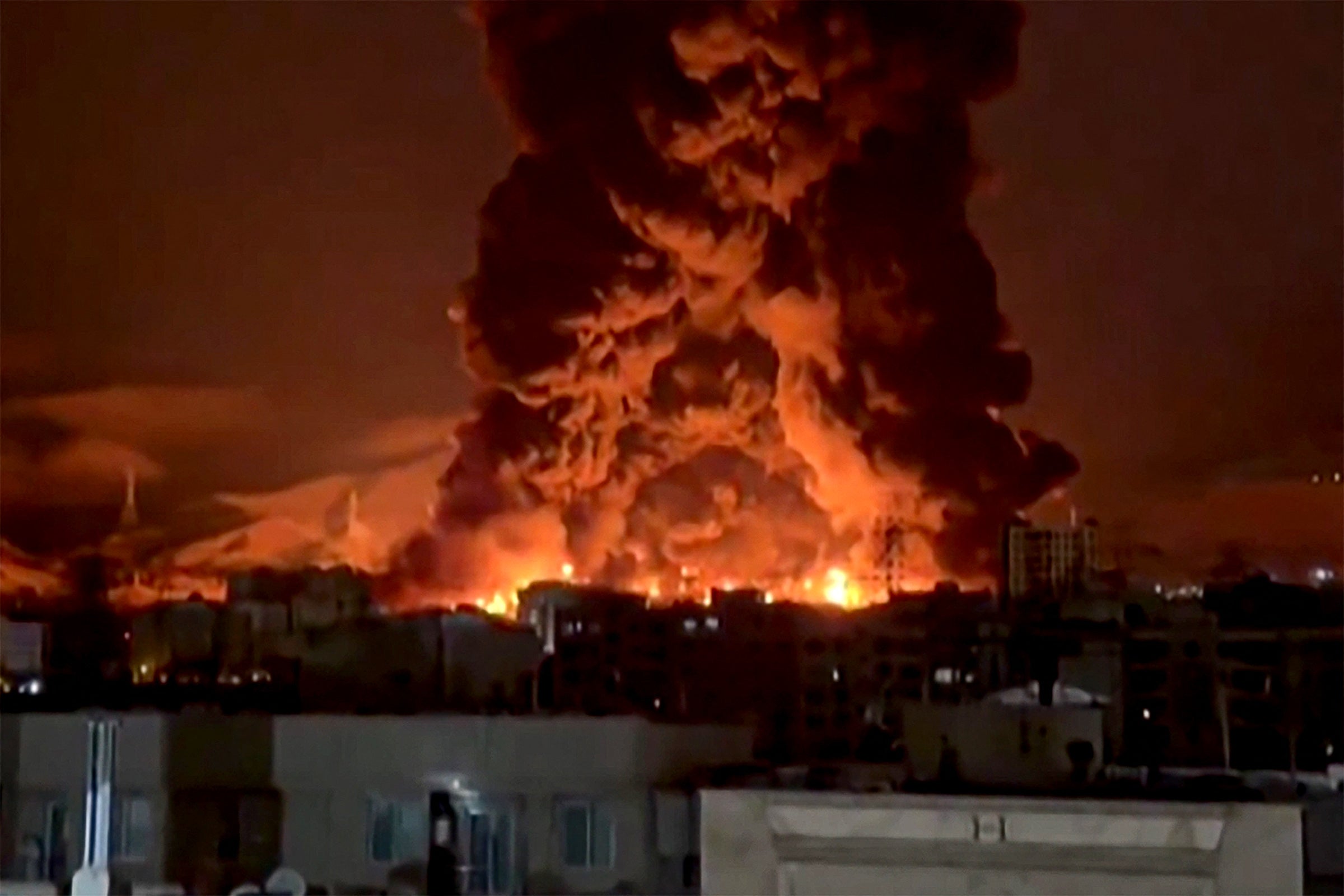 This video grab taken from UGC images posted on social media on March 7 and 8, 2026 shows fire erupting at an oil depot in Iran's capital Tehran. The United States and Israel launched strikes against Iran (UGC)
UGC
This video grab taken from UGC images posted on social media on March 7 and 8, 2026 shows fire erupting at an oil depot in Iran's capital Tehran. The United States and Israel launched strikes against Iran (UGC)
UGC
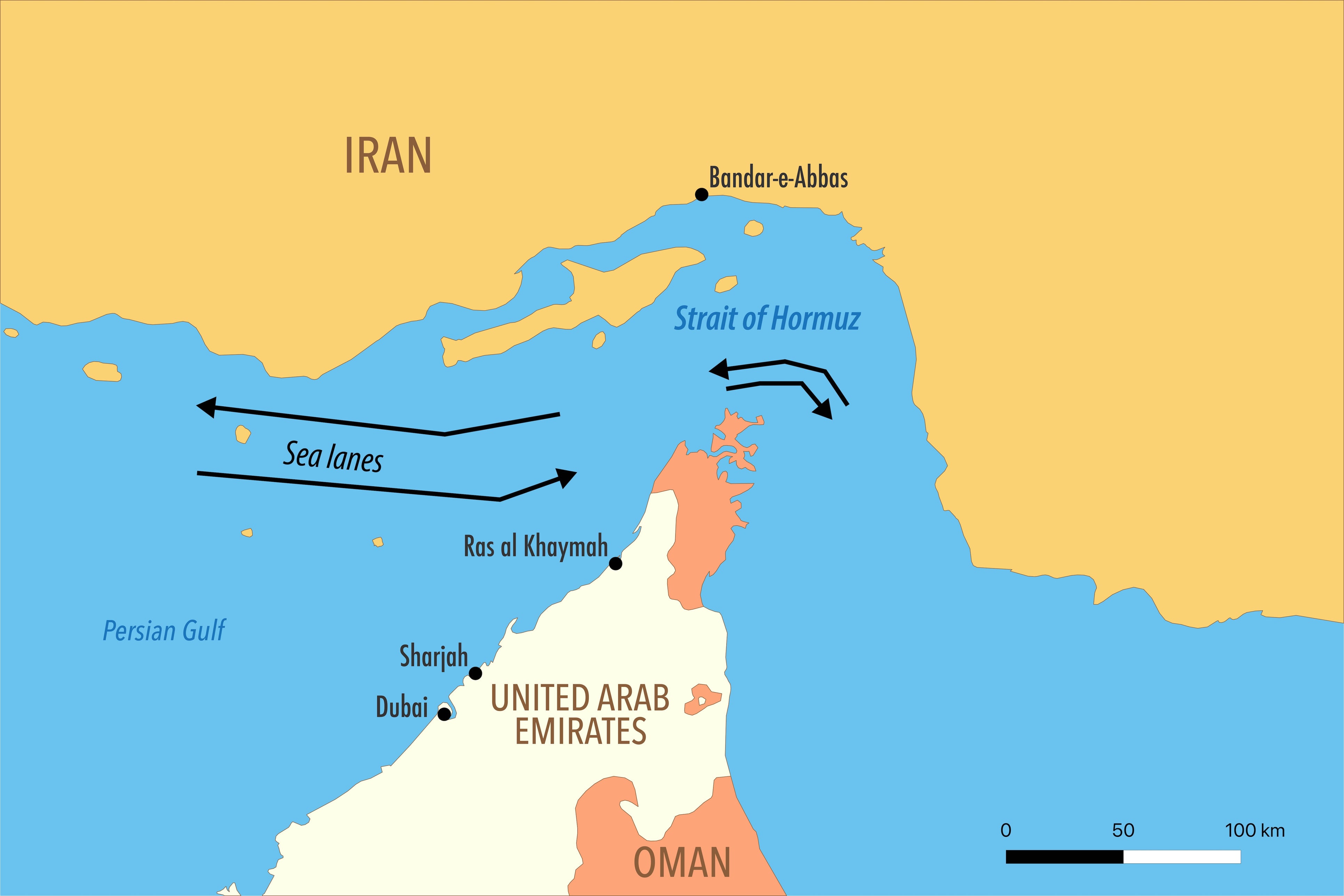 Map of the Strait of Hormuz with Sea Lanes, Surrounding Territories, and Shipping Routes (Getty/iStock)
Getty/iStock
Map of the Strait of Hormuz with Sea Lanes, Surrounding Territories, and Shipping Routes (Getty/iStock)
Getty/iStock
 A boat in the Strait of Hormuz as seen from Musandam, Oman, on March 2.
|
Reuters
scroll.in
A boat in the Strait of Hormuz as seen from Musandam, Oman, on March 2.
|
Reuters
scroll.in
Brent crude jumped above $115 a barrel this week as the Strait of Hormuz became effectively unusable for many commercial operators, and the shock is already spilling into South Asia’s domestic fuel markets. Pakistan raised petrol prices by PKR55 per litre in a single move, while Bangladesh imposed daily purchase caps and shut five of its six fertiliser factories, according to The Independent. What began as a shipping and insurance problem in the Gulf is now showing up as rationing, queue violence and emergency demand destruction thousands of kilometres away.
The supply chain behind modern food production runs through the same chokepoint as oil. A large share of globally traded urea and ammonia moves out of Gulf producers such as Qatar, Saudi Arabia and the UAE, and around a third of traded urea transits Hormuz, according to an analysis published by The Conversation and republished by Scroll.in. Even where fertiliser is produced domestically, the inputs often are not: India’s urea system relies heavily on imported LNG from the Gulf to keep plants running, while countries such as Brazil depend on imported fertilisers to sustain soybean and maize yields.
The first-order effect is physical delay and higher freight and war-risk premiums; the second-order effect is timing. Fertiliser purchasing spikes ahead of planting seasons, and a disruption measured in weeks can be inconvenient while a disruption measured in months changes crop choices and application rates. Because yields do not decline linearly with reduced nitrogen use, small cutbacks can translate into large losses in wheat, maize and rice output, pushing costs into feed, livestock and biofuels before they reach retail food prices.
Governments’ instinctive response is to mute the price signal. Bangladesh’s decision to bring forward university holidays to reduce electricity demand after Qatar suspended LNG deliveries is a form of rationing by administrative closure, not by price. Pakistan’s price hike, by contrast, was a forced pass-through in an import-dependent market that could not keep subsidising scarcity. Both approaches shift the adjustment away from the point of consumption and into politics: queues, caps, and ad hoc shutdowns.
Japan’s preparations for a potential release from strategic reserves, cited by The Independent, underline the same pattern: when shipping capacity and insurance decide what can move, states reach for stockpiles and directives. The fertiliser market has fewer visible “reserve” levers than oil, but the constraint is the same—access to molecules moving through a narrow piece of water.
In Sialkot and Karachi, the fuel shortage is no longer an abstract chart; it is a fight at a petrol pump. In Bangladesh, the constraint is now visible in closed fertiliser plants and shortened university terms.