
Haiti assassination case goes to trial in Miami
Prosecutors say Florida firms financed plot to replace Jovenel Moïse, US courtroom becomes main venue as Haiti’s case stalls
Images
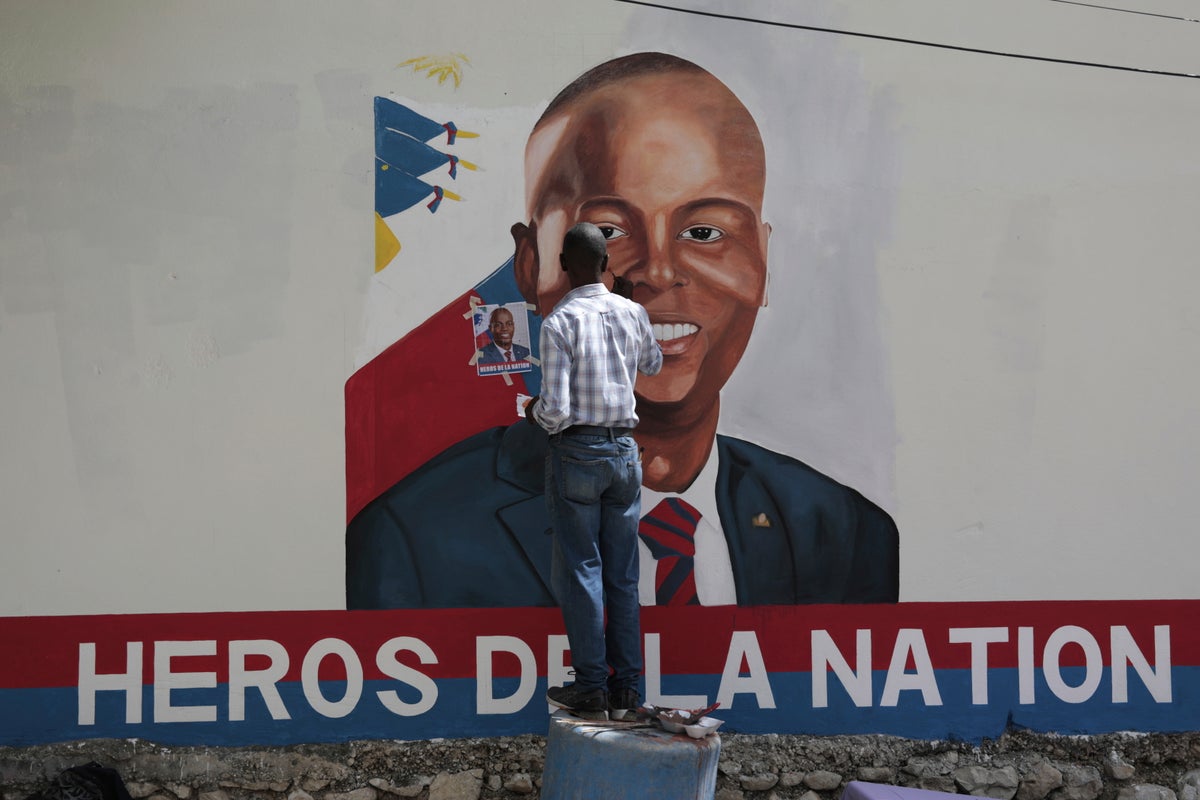 Jury selection to begin in South Florida for 5 charged in 2021 assassination of Haitian president
independent.co.uk
Jury selection to begin in South Florida for 5 charged in 2021 assassination of Haitian president
independent.co.uk
Jury selection begins Monday in Miami for the federal trial of five men accused of conspiring in South Florida to kidnap or kill Haiti’s president Jovenel Moïse, who was assassinated in July 2021. The Independent reports that the defendants include executives tied to Florida-based security and finance firms, alongside a Haitian-American pastor and a Haiti-based representative, with prosecutors alleging that planning and funding for the operation ran through meetings and contracts arranged in the United States.
According to the report, the alleged plot was built like a procurement project. Court documents describe Counter Terrorist Unit Federal Academy and Counter Terrorist Unit Security—collectively CTU—as central vehicles, with Worldwide Capital Lending Group accused of extending a $175,000 line of credit and sending funds to co-conspirators in Haiti for ammunition. The initial cover story was security: CTU recruited roughly 20 Colombians with military training to provide protection for Christian Sanon, who investigators say was first seen as the preferred replacement for Moïse.
The plan then ran into a constraint that no amount of tactical capability can fix: legitimacy. Prosecutors say conspirators concluded Sanon lacked constitutional qualifications and popular support, and shifted to backing a former Haitian Superior Court judge, Wendelle Coq Thélot, who later died as a fugitive. In the meantime, the operational side moved forward. Haitian authorities have said a team of mostly Colombian mercenaries attacked Moïse’s home near Port-au-Prince, killing him and wounding his wife.
The case highlights what happens when state functions are available for purchase but accountability is not. Security, logistics, and political succession can be assembled across borders by private actors who expect to be paid back in state contracts once their candidate is installed. Prosecutors allege that, once in power, the chosen leader would award CTU contracts for infrastructure projects, security forces, and military equipment—turning the coup into a business plan with a public balance sheet.
Haiti’s own investigation has stalled amid gang violence, threats and a weakened judiciary, leaving the US courtroom as the most functional venue in the chain. Five other defendants have already pleaded guilty in the US case and received life sentences, while Haitian proceedings remain largely frozen.
The trial opens in a federal courthouse in Miami, far from Port-au-Prince, over an assassination that investigators say was planned in Florida boardrooms and financed through ordinary corporate channels.