
Iran delays naming new supreme leader
Assembly process shifts under wartime targeting and remote-vote talk, Trump claims US approval decides who lasts
Images
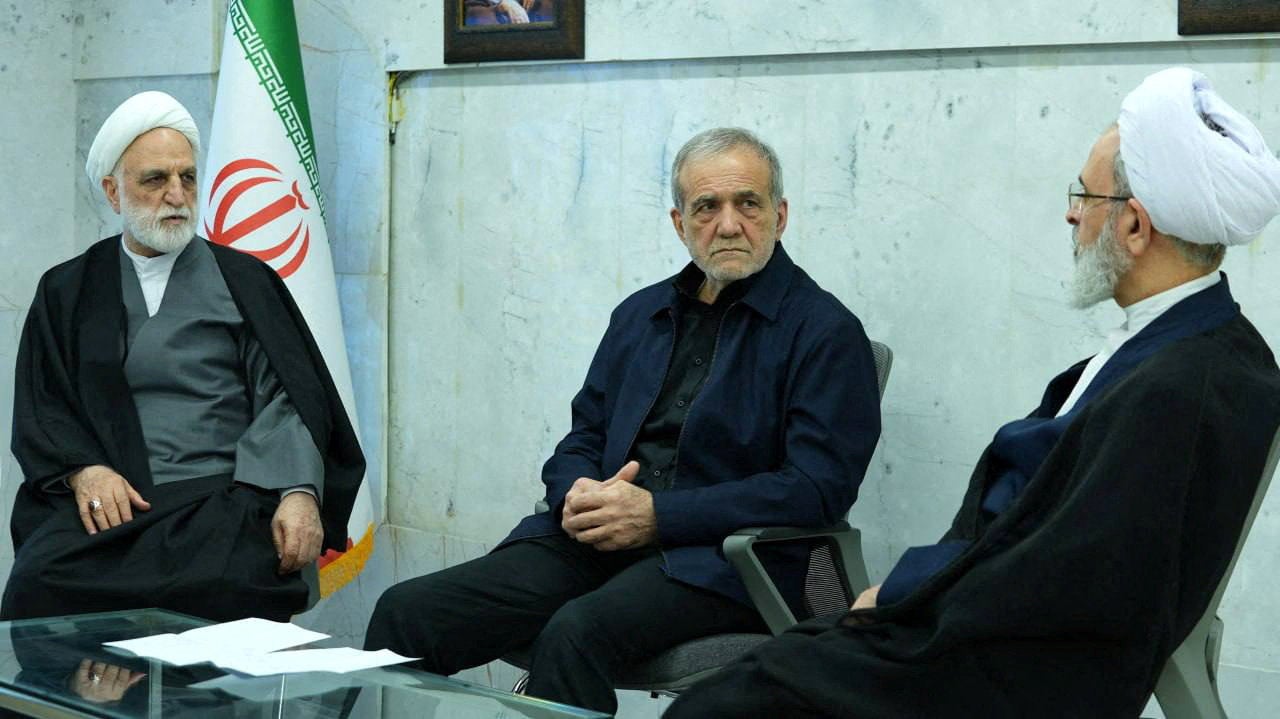 A meeting of the interim leadership council in Iran (via REUTERS)
via REUTERS
A meeting of the interim leadership council in Iran (via REUTERS)
via REUTERS
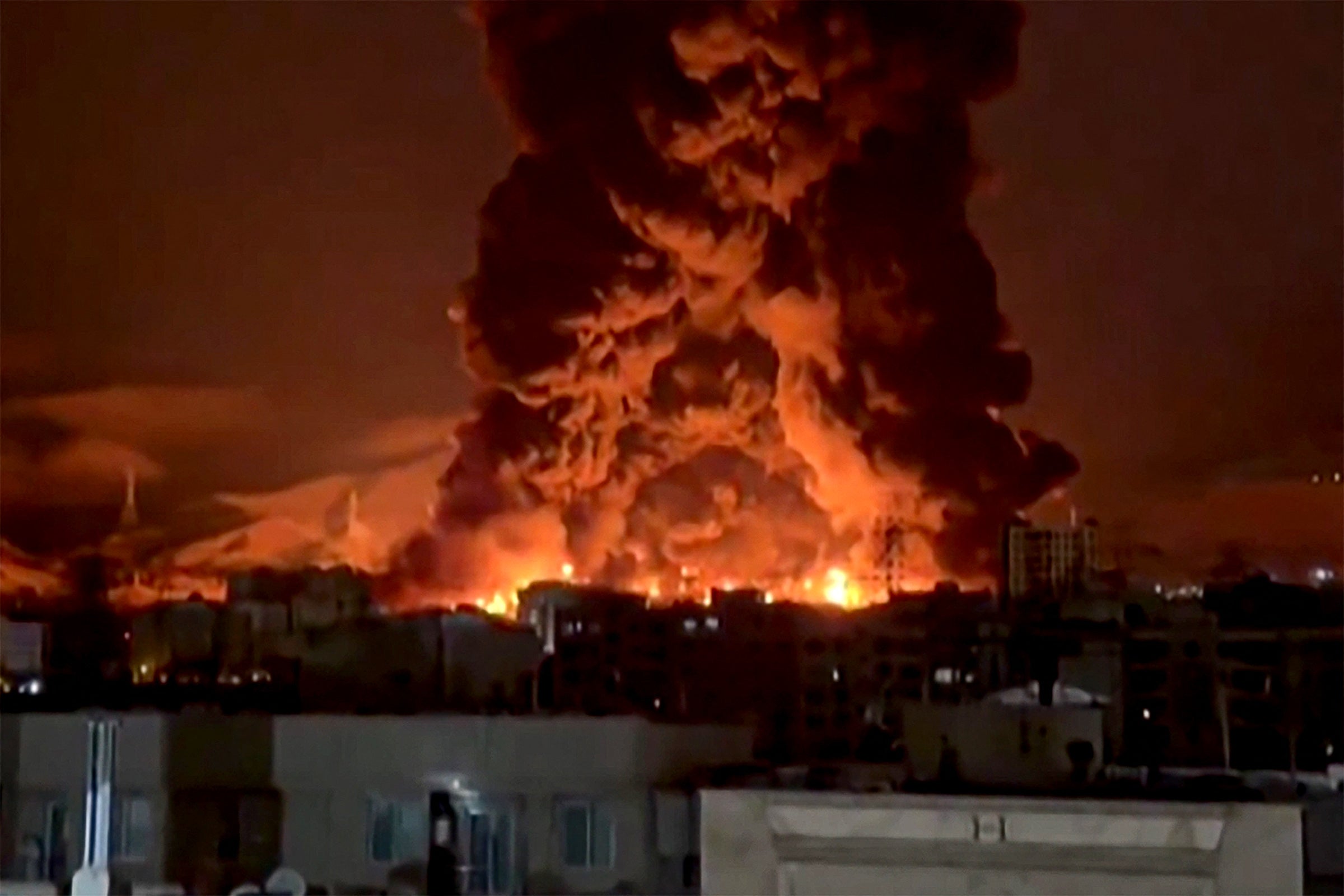 (UGC/AFP via Getty Images)
UGC/AFP via Getty Images
(UGC/AFP via Getty Images)
UGC/AFP via Getty Images
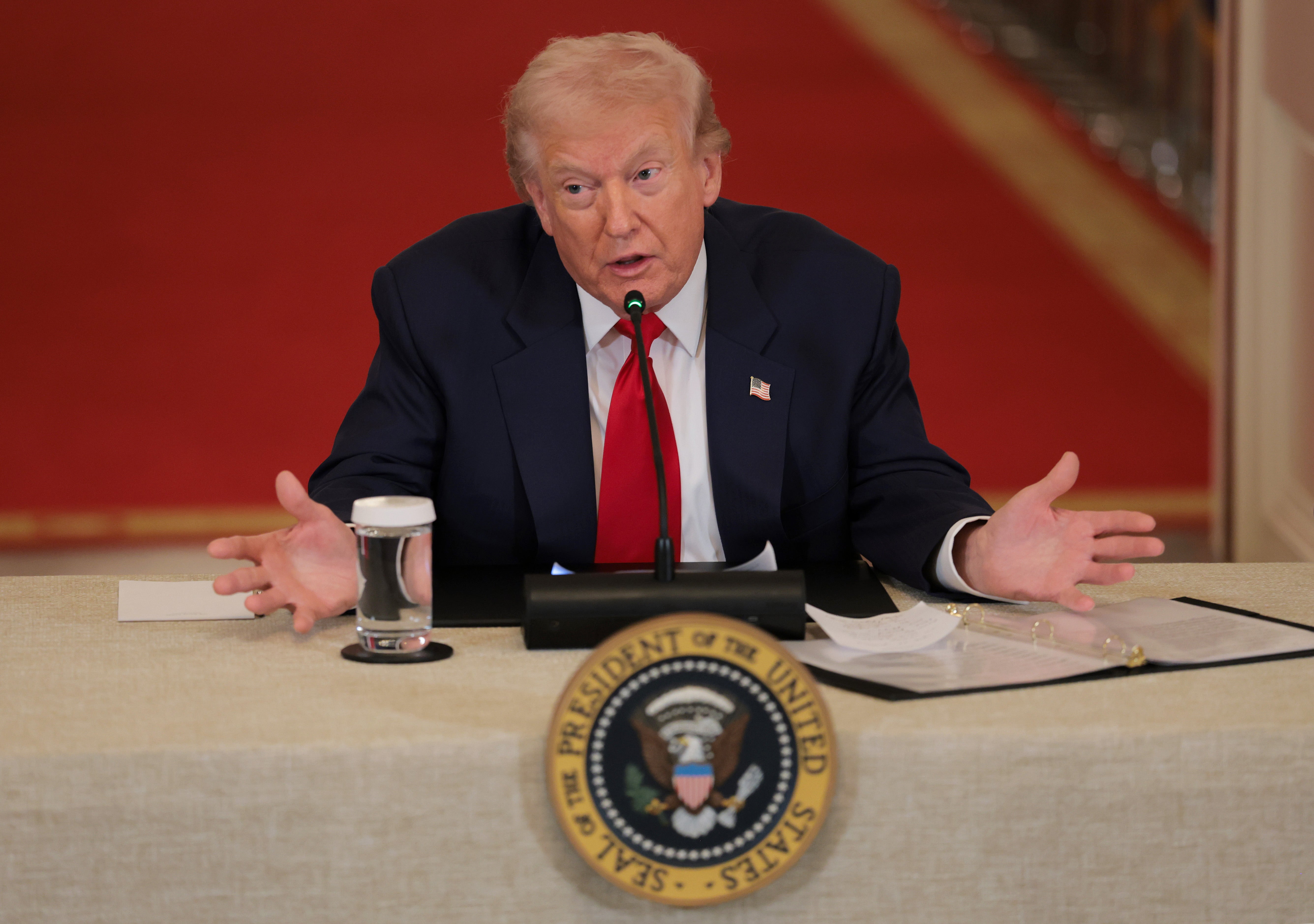 Trump has reacted to reports that Iran has moved to elect a new supreme leader by claiming he has the final say (Getty)
Getty
Trump has reacted to reports that Iran has moved to elect a new supreme leader by claiming he has the final say (Getty)
Getty
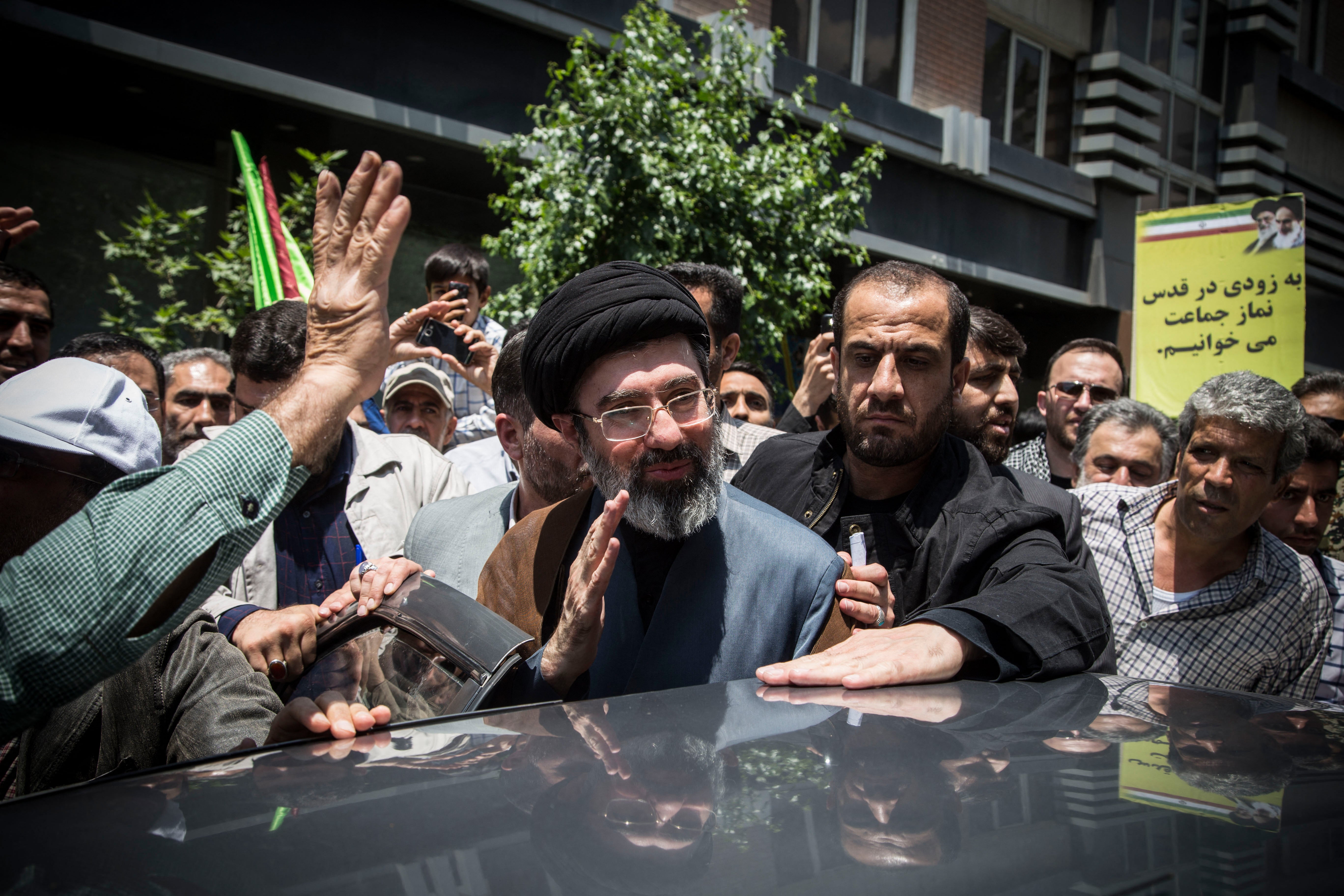 Trump has already said that Khamenei’s son, Mojtaba Khamenei, shown here, was an unacceptable choice as the next leader (Middle East Images)
Middle East Images
Trump has already said that Khamenei’s son, Mojtaba Khamenei, shown here, was an unacceptable choice as the next leader (Middle East Images)
Middle East Images
Iran’s foreign minister Abbas Araghchi said on NBC’s “Meet the Press” that “nobody knows” who will become the Islamic Republic’s next supreme leader, hours after senior clerics claimed a successor had already been chosen. The contradictory messaging came as Iran’s Assembly of Experts—the body formally tasked with selecting the leader—appeared unable or unwilling to convene openly after Ayatollah Ali Khamenei was killed in Israeli strikes, according to The Independent.
The gap between “chosen” and “announced” is not just a constitutional detail. In Tehran, succession is a security operation: the Assembly’s deliberations are meant to produce a single outcome that the Revolutionary Guards, the clerical establishment, and the wider bureaucracy can coordinate around. But wartime conditions make that coordination harder and raise the value of ambiguity. Iranian media cited by The Independent described internal disagreement over whether the Assembly must meet in person, while one cleric argued that a plenary session was not possible “under current conditions” and suggested remote or written alternatives.
External actors are also treating the succession process as a target. The Independent reports that the Israeli military posted in Farsi that it would pursue anyone seeking to appoint a successor to Khamenei, explicitly pointing at the clerical body itself. That kind of threat does not need to be carried out to have effects: it forces decision-makers to weigh personal risk, delays public commitments, and encourages factions to keep potential candidates unofficial.
Washington, meanwhile, is trying to turn the uncertainty into leverage. President Donald Trump told ABC News that Iran’s next leader “is not going to last long” without US “approval,” framing the outcome as something the US can veto. Araghchi responded that Iran would allow “nobody to interfere” and that the decision was “only the business of the Iranian people.” Reuters, cited by The Independent, reported that an Assembly member said a majority consensus had been reached but that “some obstacles” remained.
In a war where missile strikes are measured in billions and air defences in inventories, leadership rumours are cheaper tools. A disputed or delayed succession can move markets and logistics quickly: insurers reprice war risk, airlines and shipping lines alter routes, and counterparties tighten payment terms when they cannot predict who will sign orders next month. Inside Iran, uncertainty also tests discipline: rival networks can delay obedience by claiming they are waiting for formal authority, while security organs can justify extraordinary measures as “temporary” until the new leader is confirmed.
The Assembly of Experts is still supposed to meet and vote. For now, Iran has senior officials publicly insisting both that a successor exists and that no one knows who it is.