
War memes and betting markets reshape conflict coverage
Platforms reward speed over verification while AI tools launder false context, even official accounts publish in the same format
Images
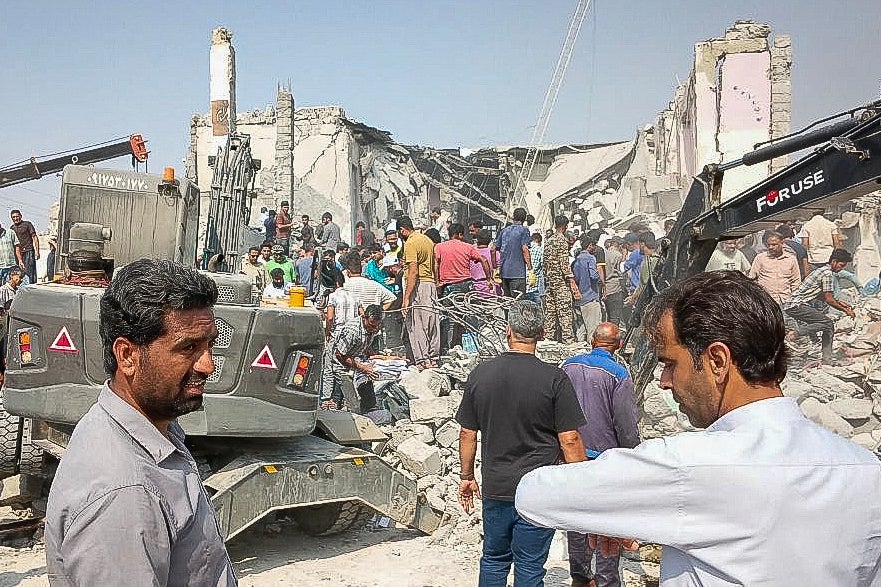 This picture obtained from Iran's ISNA news agency shows the site of a strike on a girls' school in Minab, in Iran's southern Hormozgan province, on February 28, 2026 (ISNA)
ISNA
This picture obtained from Iran's ISNA news agency shows the site of a strike on a girls' school in Minab, in Iran's southern Hormozgan province, on February 28, 2026 (ISNA)
ISNA
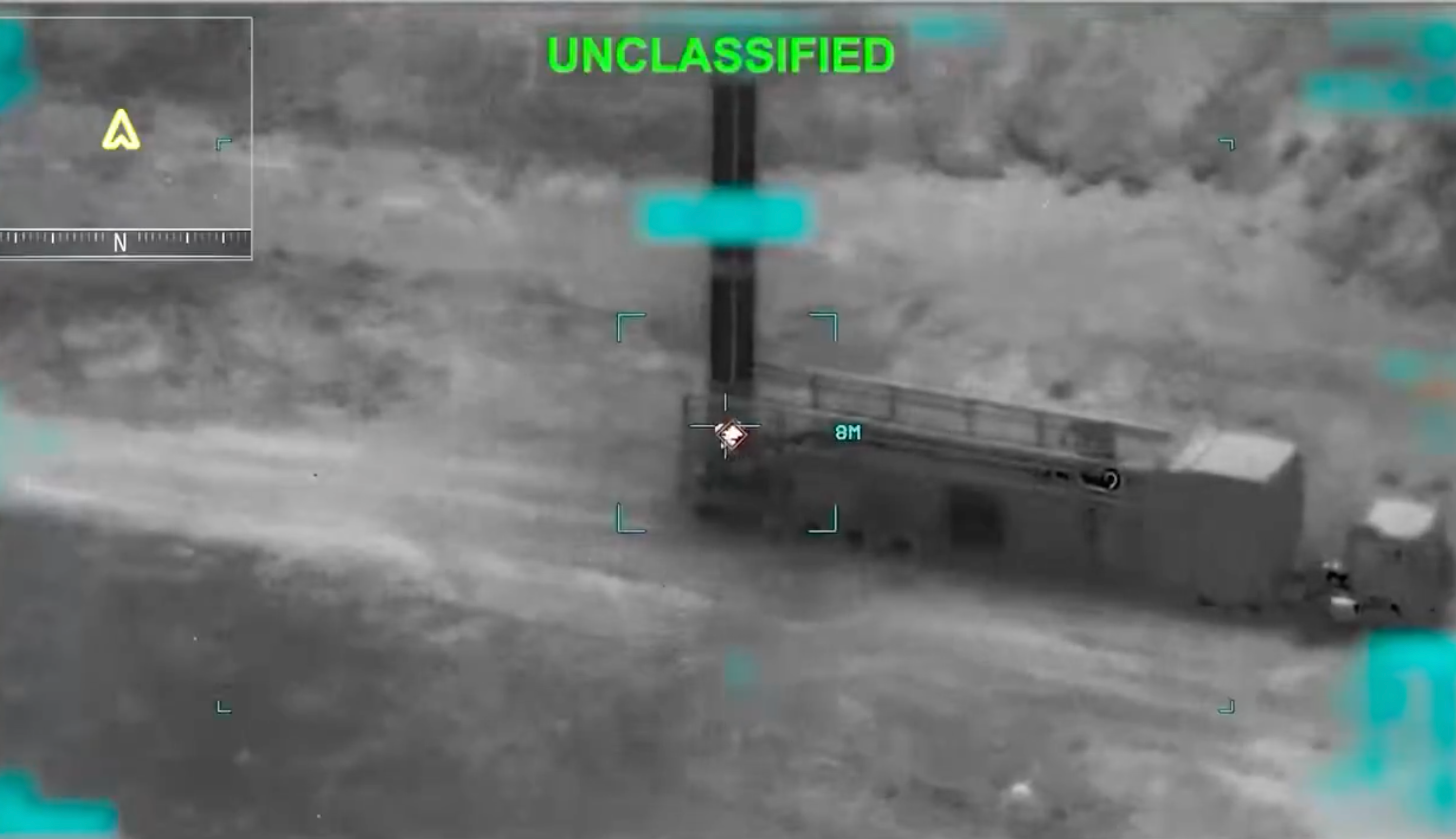 The White House posted a montage of unclassified videos showing US strikes in Iran cut with a Call of Duty Modern Warfare III clip (X/White House/US Central Command)
X/White House/US Central Command
The White House posted a montage of unclassified videos showing US strikes in Iran cut with a Call of Duty Modern Warfare III clip (X/White House/US Central Command)
X/White House/US Central Command
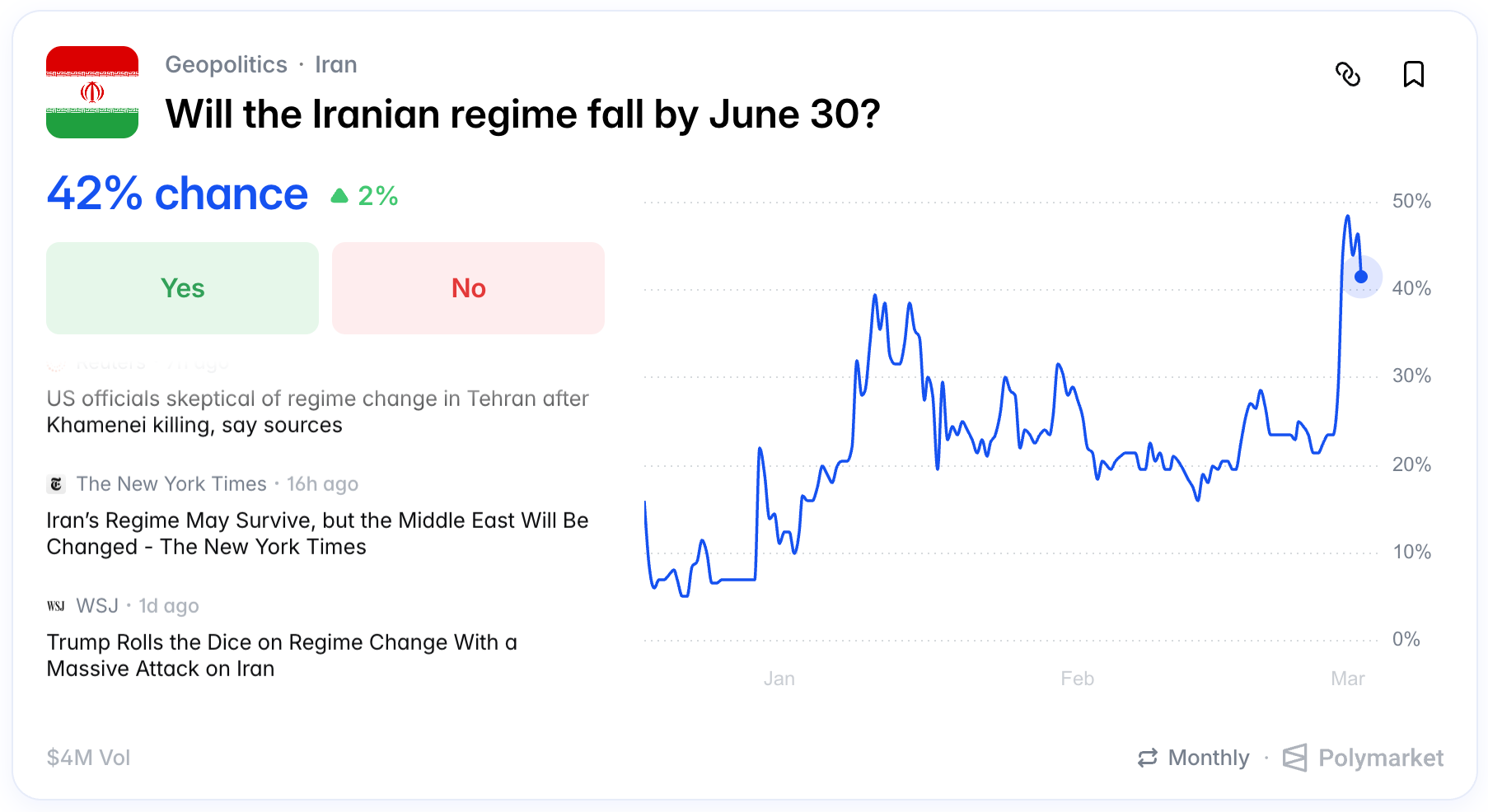 (Polymarket)
Polymarket
(Polymarket)
Polymarket
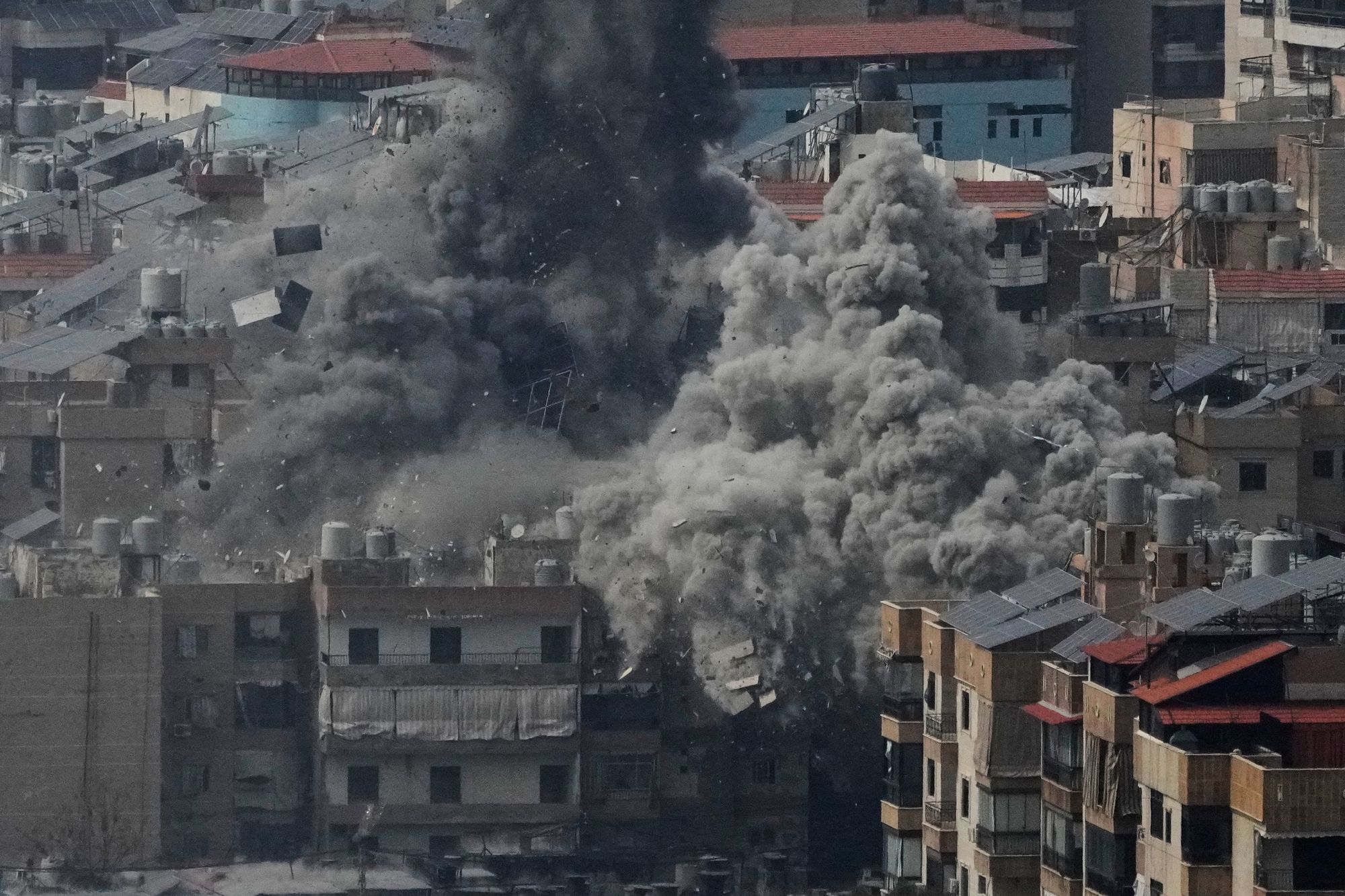 independent.co.uk
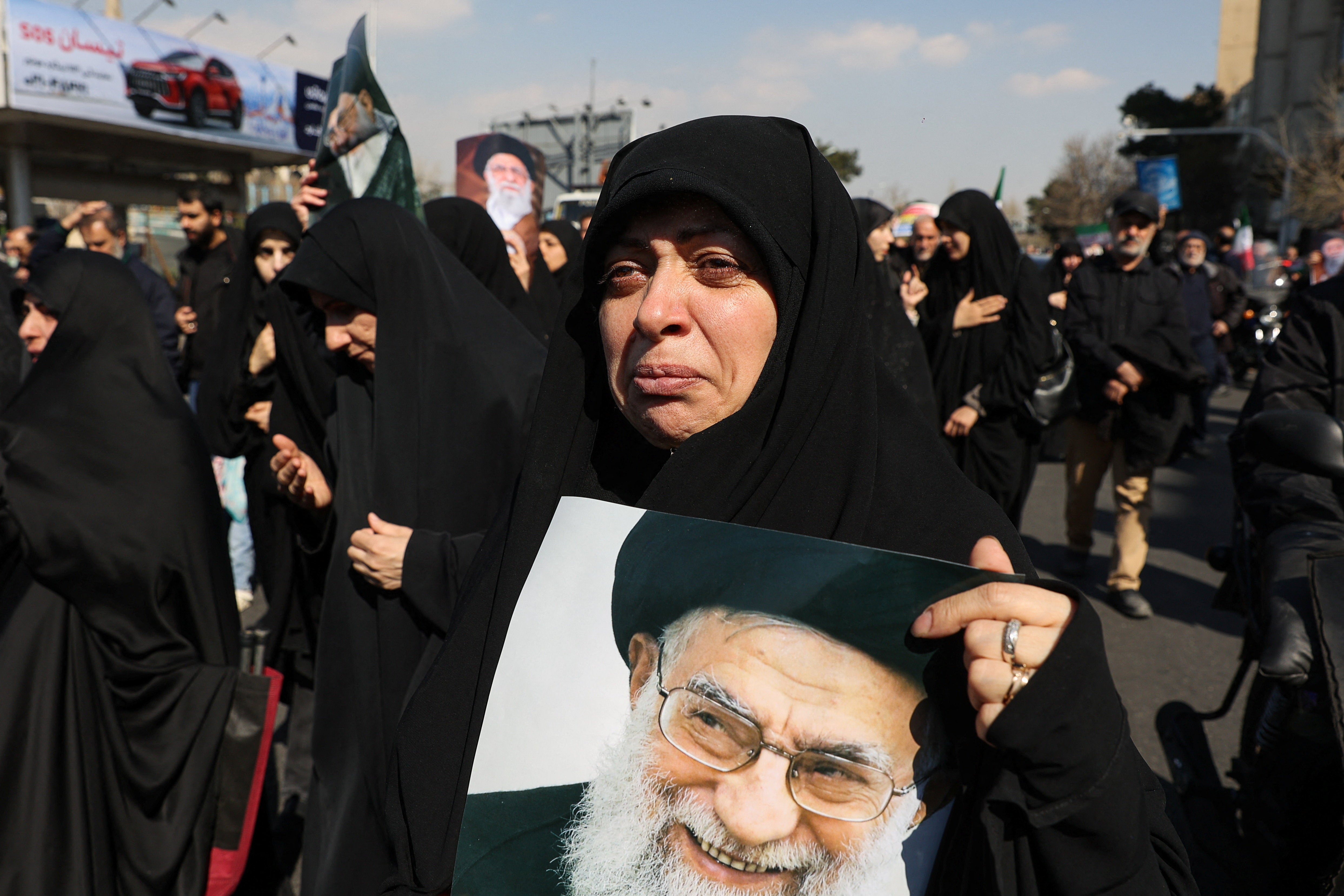 A demonstrator reacts while holding an image of Iran's late Supreme Leader Ayatollah Ali Khamenei (WANA)
WANA
A demonstrator reacts while holding an image of Iran's late Supreme Leader Ayatollah Ali Khamenei (WANA)
WANA
A White House montage splicing unclassified strike footage with Call of Duty gameplay passed 50 million views on X within days, according to The Independent. In the same week, Polymarket users wagered on the conflict’s next turns while AI-generated clips and recycled videos circulated as “evidence” of battlefield developments.
The mechanics are straightforward. Platforms rank content by velocity—how quickly it accumulates reactions—and by the ease with which it can be remixed into a shareable format. War footage, especially when packaged as a short, captioned clip, fits the distribution logic better than the slower work of verification. The Independent notes that official accounts now participate in this format: the White House posted memes alongside strike imagery, and a spokesperson responded to criticism of an AI-manipulated arrest image with “The memes will continue.” When institutions adopt the same attention tactics as anonymous accounts, the distinction between briefing and bait becomes harder to maintain.
Prediction markets add a second feedback loop. A price on “what happens next” looks like aggregated judgment, but it is also a tradable instrument: the incentive is not to be right in public, but to get in early and move faster than the crowd. In an environment where the first narrative often wins distribution, odds can become a proxy for “what people think is true” even when the underlying information is thin. The market then becomes another content layer—screenshots of price moves shared as if they were intelligence—feeding back into the same engagement system.
Generative AI lowers the cost of producing plausible visuals and confident summaries. NewsGuard’s Reality Check, cited by The Independent, warned that Google’s reverse-image search tool was producing AI Overviews that repeated fabricated or misleading claims tied to the US–Iran conflict. That matters because reverse-image search has become a newsroom and user-side verification habit: when the tool itself produces a fluent explanation, the output can be mistaken for corroboration rather than an automated guess.
The result is a media environment where the most rewarded behaviour is not careful reporting but rapid narrative packaging—whether by meme accounts, traders, or governments. Meanwhile, the human cost of the war is described in the same article in numbers that do not travel as well as clips: Iran’s Red Crescent said more than 1,300 people had been killed since the war began, and the US had lost six soldiers to retaliatory attacks.
The White House video kept circulating, while the correction work shifted to specialists arguing with screenshots.