
Iranian drone hits Bahrain desalination plant
Gulf war risk shifts from oil chokepoints to water infrastructure, insurers and lenders start pricing what governments promise to absorb
Images
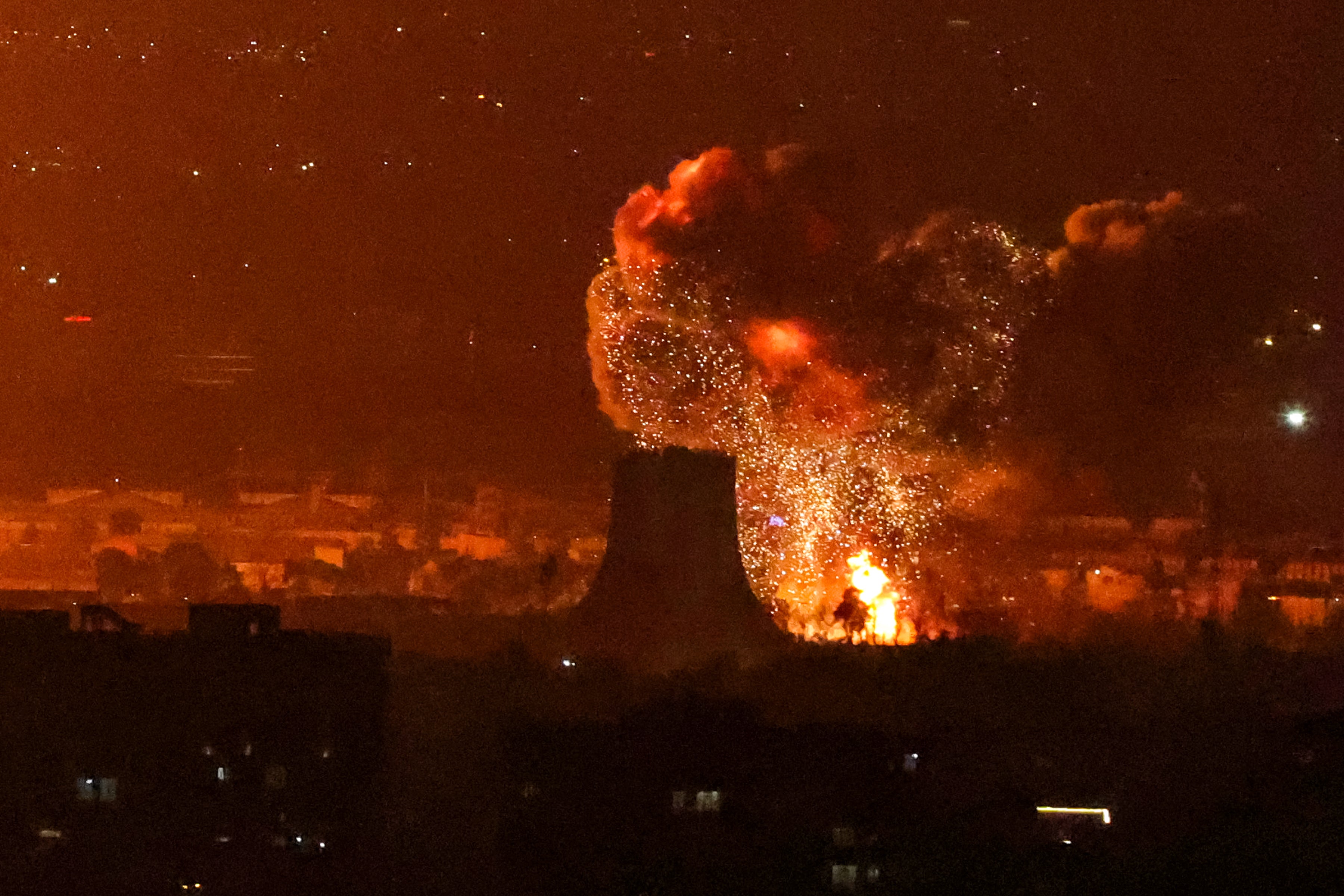 An explosion erupts following strikes near Azadi Tower close to Mehrabad International Airport in Tehran (AFP via Getty Images)
AFP via Getty Images
An explosion erupts following strikes near Azadi Tower close to Mehrabad International Airport in Tehran (AFP via Getty Images)
AFP via Getty Images
Bahrain said an Iranian drone caused “material damage” to a desalination plant on Sunday, the first time an Arab Gulf state has reported Iran targeting water infrastructure during the nine-day US–Israel war with Iran. The strike came as Israeli attacks hit oil storage facilities in Tehran, with Iran also alleging US strikes damaged a desalination plant on Qeshm Island, according to The Independent citing Associated Press reporting.
Desalination and fuel storage sit in the same category of assets: they are not symbolic targets but the physical systems that turn money into daily life. Gulf cities run on electricity, membranes, pumps, and imported spares; refineries and depots run on power, pipelines, and steady shipping schedules. When those nodes are threatened, the first market response is rarely “oil runs out.” It is that insurers, banks, and logistics firms start charging for uncertainty—or stop underwriting it altogether.
That mechanism is already visible in maritime traffic and aviation disruption across the region. War-risk insurance is priced on probability and severity, but it is also priced on the ability to verify risk in real time. A single successful strike on a desalination plant changes the assumptions that sit behind insurance clauses, port access decisions, and lender covenants. Cargoes still exist, but the paperwork that allows them to move—letters of credit, insurance certificates, and charter-party guarantees—becomes harder to obtain. When those documents cannot be issued, ships do not sail and suppliers demand payment up front.
Governments tend to respond by promising that “costs will be covered” or by leaning on carriers and utilities to keep operating while the liability is sorted out later. In practice, that shifts risk from private balance sheets to public ones. If a state guarantees war-risk cover, or backstops a utility’s emergency fuel purchases, it is not eliminating the cost; it is deciding who pays and when. The immediate effect is to keep flows moving. The second-order effect is to dull the price signals that would otherwise force demand reduction, inventory building, or rerouting.
The Gulf’s vulnerability is not limited to crude exports. Desalination is a domestic dependency with fewer substitutes: a refinery outage can be buffered with imports; a water outage becomes rationing within days. That makes desalination plants attractive as leverage points in a conflict that has moved from military facilities toward cashflow and continuity. The result is a risk premium that shows up in financing terms and insurance exclusions long before any consumer sees a fuel shortage.
Bahrain described the damage as “material” but did not quantify it. In a region where drinking water is manufactured on the coast, the existence of a target matters almost as much as the extent of the damage.