
Gulf desalination plants emerge as wartime choke point
Water supply depends on coastal power and membranes within drone range, a few strikes could ration cities faster than oil shocks
Images
 Oil built the Persian Gulf. Desalinated water keeps it alive. War could threaten both
independent.co.uk
Oil built the Persian Gulf. Desalinated water keeps it alive. War could threaten both
independent.co.uk
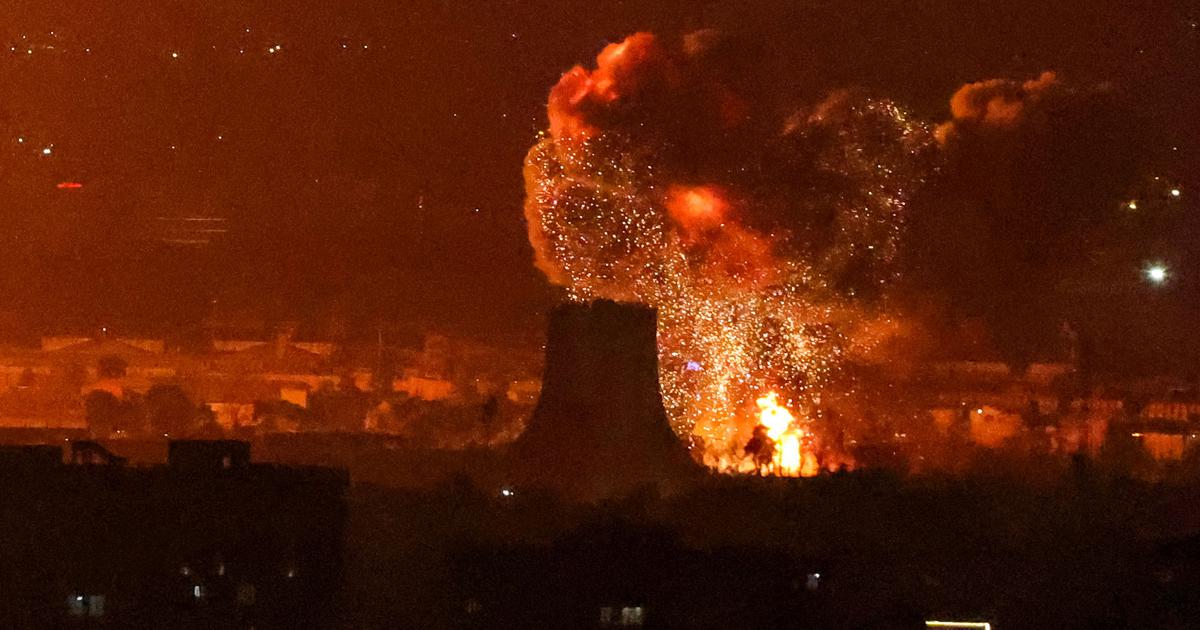 An explosion erupts following strikes near Azadi Tower close to Mehrabad International Airport in Tehran on March 7, 2026.
|
Atta Kenare/AFP
scroll.in
An explosion erupts following strikes near Azadi Tower close to Mehrabad International Airport in Tehran on March 7, 2026.
|
Atta Kenare/AFP
scroll.in
A missile does not have to hit an oil terminal to change the Persian Gulf’s strategic balance. It only has to disrupt water.
Across the Gulf coast, hundreds of desalination plants convert seawater into drinking water for cities that could not exist at their current size without constant, energy-intensive treatment. The Independent notes that roughly 90% of Kuwait’s drinking water comes from desalination, along with about 86% in Oman and about 70% in Saudi Arabia. Many plants are physically integrated with power stations as co‑generation facilities, which means a strike on electricity infrastructure can also shut down water production.
The war has already brushed close to these systems. The Independent reports Iranian strikes landing about 12 miles from Dubai’s Jebel Ali port and near one of the world’s largest desalination plants, while damage was reported at the Fujairah F1 power-and-water complex in the UAE and at Kuwait’s Doha West desalination plant. The reporting describes much of the damage as collateral—nearby port attacks or debris from intercepted drones—rather than a deliberate campaign against water.
But water infrastructure is unusually easy to turn into leverage. Desalination depends on a chain: intake systems, membranes and treatment stages, electricity supply, and distribution networks. Break any link and output falls. Spare parts are specialised, and repairs can take weeks or months if critical equipment is destroyed. A 2010 CIA analysis cited by the Independent warned that major outages could trigger national crises in Gulf states, with cities potentially losing most of their drinking water within days.
The second-order effects are political rather than purely humanitarian. Oil revenue can be rerouted, stored, or offset with price moves. Water cannot. If desalination capacity drops, governments must ration, trucking and bottled-water supply chains seize up, and the legitimacy of highly urbanised “instant cities” comes under strain.
Scroll.in, summarising regional reporting, said Iran’s foreign minister Abbas Araghchi accused the United States of attacking a desalination plant on Qeshm Island, claiming the strike affected water supply to 30 villages. The same report said Iran’s Revolutionary Guards claimed to have struck a US naval support facility in Bahrain in response, alleging it had been used to support the earlier attack.
Whether or not water becomes an intentional target, the geography is unforgiving. Desalination plants sit on exposed coastlines, clustered near ports, refineries and power stations that are already on the target map.
In Kuwait, where nine out of ten glasses of water start as seawater, the war’s most sensitive infrastructure is not underground.