
Pentagon and FAA test anti-drone lasers at White Sands
Texas airspace closures expose coordination failures between military and civil aviation, a border drone threat turns into paperwork and liability
Images
 Pentagon and FAA agree to conduct anti-drone laser tests in New Mexico
independent.co.uk
Pentagon and FAA agree to conduct anti-drone laser tests in New Mexico
independent.co.uk
 newsweek.com
 Iran’s Powerful Ally Who Outlasted Trump’s Wrath Looms on Sidelines of War
newsweek.com
Iran’s Powerful Ally Who Outlasted Trump’s Wrath Looms on Sidelines of War
newsweek.com
 Iran War Live: Oil Storage Facility Struck in Tehran as Trump Vows to Hit Hard
newsweek.com
Iran War Live: Oil Storage Facility Struck in Tehran as Trump Vows to Hit Hard
newsweek.com
 2 in Custody After Suspicious Devices Found at Zohran Mamdani's Home
newsweek.com
2 in Custody After Suspicious Devices Found at Zohran Mamdani's Home
newsweek.com
 Is the Iran Regime Starting to Crack Under US-Israeli Bombardment?
newsweek.com
Is the Iran Regime Starting to Crack Under US-Israeli Bombardment?
newsweek.com
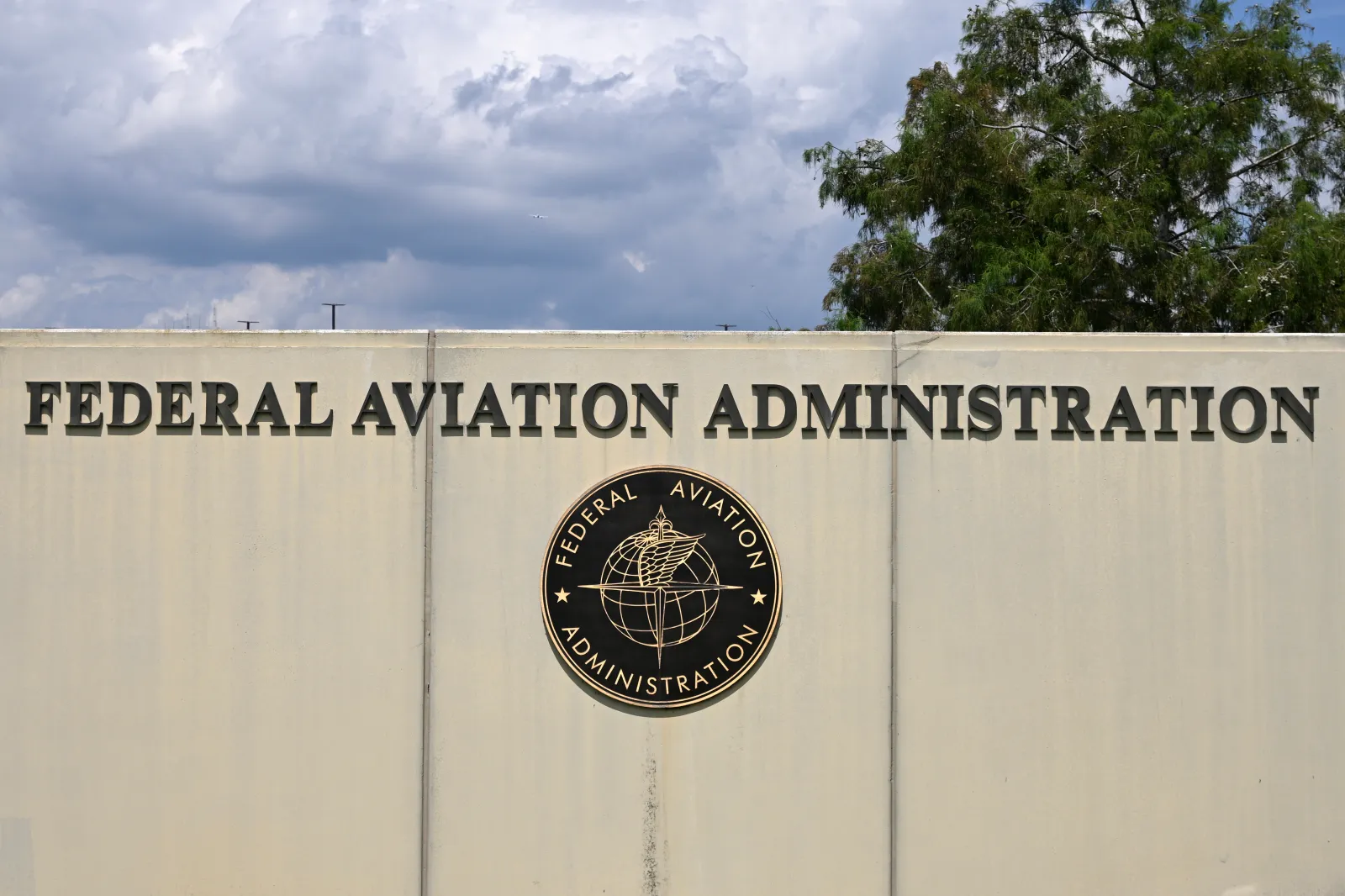
The Pentagon and the US Federal Aviation Administration will run anti-drone laser tests this weekend at White Sands Missile Range in New Mexico, after two separate laser deployments in February triggered sudden airspace closures in West Texas. According to The Independent and Newsweek, the FAA shut down airspace near El Paso and later near Fort Hancock after the military and Customs and Border Protection used a counter-drone laser without the formal notification required for counter-UAS action inside US airspace.
The immediate operational promise of lasers is cheap “shots” and deep magazines compared with interceptor missiles, but the Texas incidents show that the binding constraint is governance rather than physics. A directed-energy system can be technically effective and still be unusable at scale if every activation risks grounding civilian flights, rerouting medical evacuations, or creating a liability dispute between agencies. In the El Paso closure, 14 flights were cancelled and medical aircraft were rerouted, a reminder that the cost of a counter-drone engagement is often booked to airlines, passengers, and emergency services rather than to the unit pulling the trigger.
The second February incident sharpened the accountability problem: lawmakers said the laser was used to shoot down a “seemingly threatening” drone that turned out to belong to CBP itself. That is the kind of failure that does not fit neatly into existing aviation safety processes, because it sits between military rules of engagement and civilian airspace management. The FAA’s job is to keep the National Airspace System safe; the military’s job is to neutralise threats; CBP’s job is to operate at the border. When the same airspace is shared, each agency can claim it followed its own mandate while the combined system fails.
The border context is also doing work here. Newsweek reports the Trump administration framed the deployments as a response to cartel drones, citing more than 27,000 detections within 500 metres of the border in the last six months of 2024. That volume pushes agencies toward persistent counter-UAS operations rather than exceptional deployments—exactly the scenario where notification, safety case documentation, and operator certification become the real “weapons system.” If lasers become routine, the US will likely need a new layer of licensed counter-UAS operators, defined safety corridors, and standardised reporting—bureaucracy that looks slow until the alternative is closing airspace every time a sensor flags a target.
The White Sands tests are described as being designed “specifically” to address FAA safety concerns. For now, the most concrete output is not a downed drone but a calendar slot on an FAA coordination framework.