
Ghost elephants documentary highlights detection problem in conservation science
Researchers infer presence from DNA audio and camera traps, absence remains hard to prove
Images
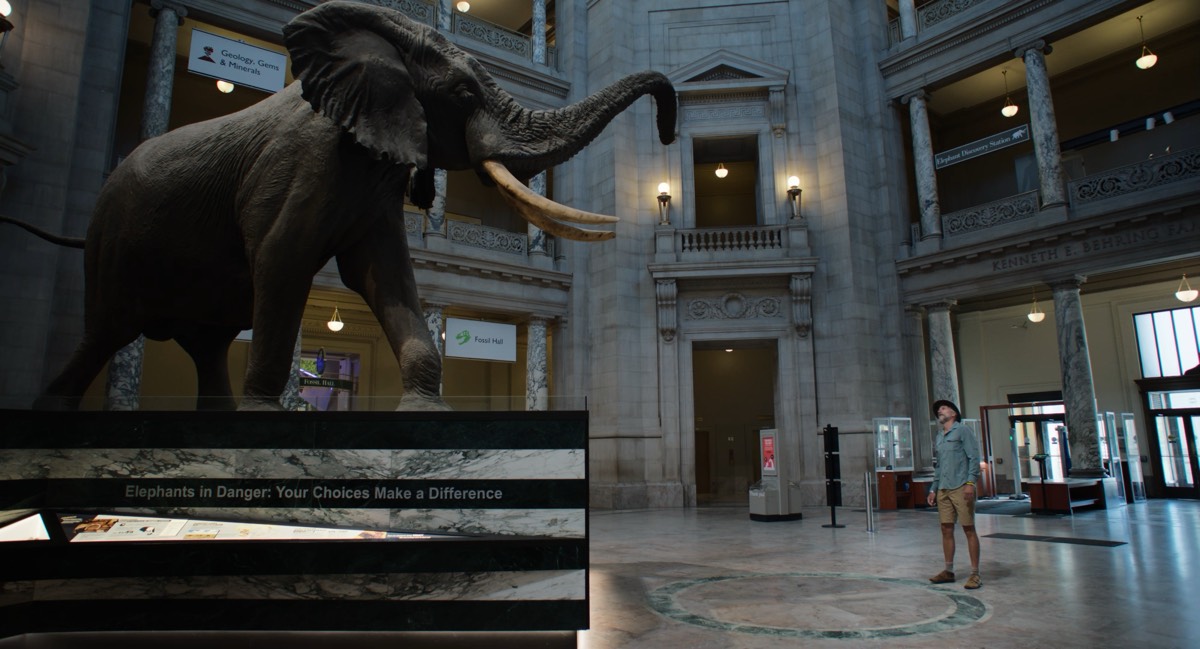 Dr. Steve Boyes stands in the rotunda of the Smithsonian Museum. He confronts for the first time in his life the largest elephant ever killed
arstechnica.com
Dr. Steve Boyes stands in the rotunda of the Smithsonian Museum. He confronts for the first time in his life the largest elephant ever killed
arstechnica.com
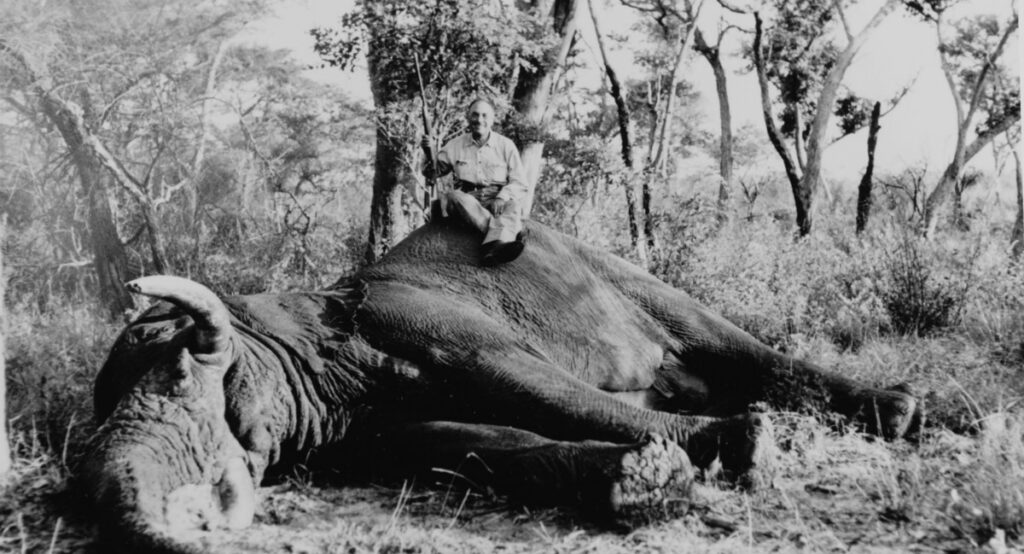 Josef J. Fenykovi poses atop the elephant he killed in Angola on November 13, 1955. The elephant was later donated to the Smithsonian and known as "'Henry."
arstechnica.com
Josef J. Fenykovi poses atop the elephant he killed in Angola on November 13, 1955. The elephant was later donated to the Smithsonian and known as "'Henry."
arstechnica.com
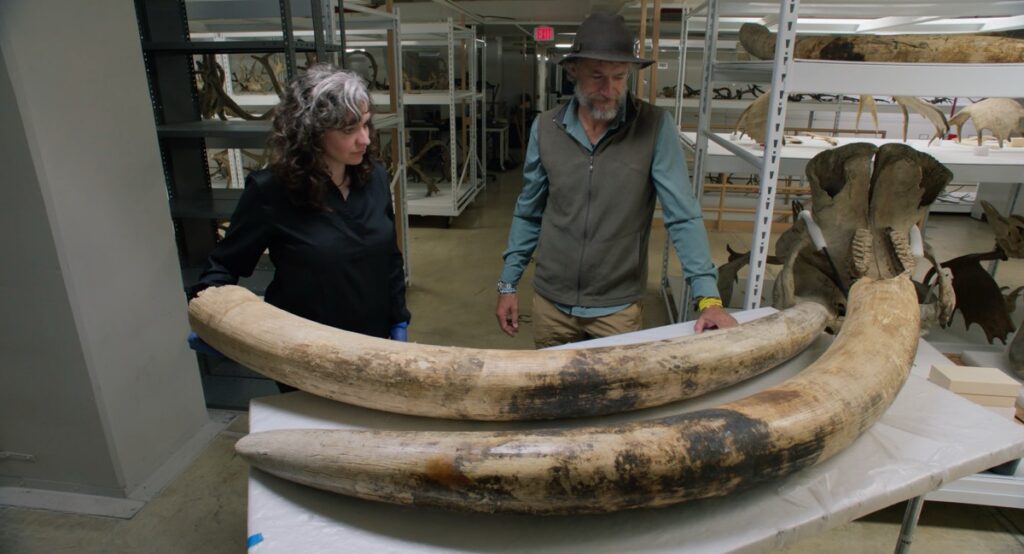 Dr. Melissa Hawkins and Dr. Steve Boyes inspect the actual tusks of Henry the elephant kept in storage at the Smithsonian
arstechnica.com
Dr. Melissa Hawkins and Dr. Steve Boyes inspect the actual tusks of Henry the elephant kept in storage at the Smithsonian
arstechnica.com
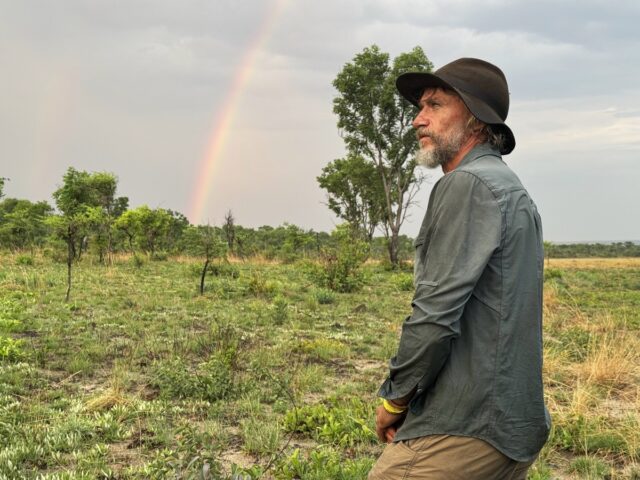 Dr. Steve Boyes, with a rainbow in the background, experiences the first signs of the rainy season.
arstechnica.com
Dr. Steve Boyes, with a rainbow in the background, experiences the first signs of the rainy season.
arstechnica.com
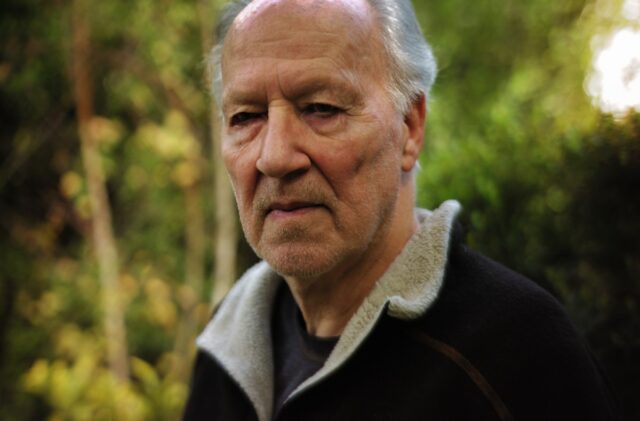 Werner Herzog, director, writer & narrator of Ghost Elephants.
arstechnica.com
Werner Herzog, director, writer & narrator of Ghost Elephants.
arstechnica.com
A documentary about an elephant herd in Angola’s highlands is built around a familiar scientific problem: how to tell the difference between an animal that is absent and an animal that is simply hard to detect.
Ars Technica reports that conservationist Steve Boyes has spent years searching for so‑called “ghost elephants” in the Angolan Highlands, a quest that became the subject of Werner Herzog’s film *Ghost Elephants*, now slated for National Geographic and Disney+. The story is framed as a hunt for a possibly distinct population, but the practical work is less cinematic: deciding where to look, how to search, and how much non-detection actually means.
In ecology, “no sightings” is not a result by itself. A sparse population can leave only indirect traces—dung, footprints, broken vegetation, vocalisations, and environmental DNA in water or soil. Each method has a different failure mode. Camera traps can miss animals if placed on the wrong trails or if the effective detection zone is small. Acoustic monitoring can fail when wind, rain, or distance masks low-frequency calls. DNA sampling can be confounded by degradation, contamination, or water flow that moves genetic material away from where the animal was.
The statistical problem is that detection probability is rarely 100%. A survey can produce false negatives even when animals are present, especially when the search area is large and the target is mobile. This pushes conservation work toward designing sampling strategies rather than simply “collecting evidence”: deciding how many sensors to deploy, how long to run them, and how to combine weak signals from multiple sources. The choice is also financial. A field team can spend weeks in a remote area and still come back with ambiguous data; the same budget could fund broader monitoring elsewhere.
Ars Technica notes Boyes’ background as an ornithologist in the Okavango Delta and his interest in elephant–habitat interactions, including how elephants can create nest cavities by damaging trees. That kind of ecological linkage is also part of the detection problem: if elephants shape vegetation in measurable ways, the landscape itself becomes a proxy instrument—useful, but only if other processes do not produce similar signatures.
For audiences, the “ghost” label invites a simple conclusion—either a hidden herd exists or it does not. In practice, the question becomes narrower and more technical: how much uncertainty remains after a given amount of searching, and what additional data would change the probability enough to justify a conservation decision.
The film’s premise rests on a rumour of elephants in a hard-to-access landscape. The scientific task is to turn that rumour into a measurable claim—one sensor placement, one water sample, and one missed detection at a time.