
Virgin Atlantic suspends Dubai flights
Iran-linked airspace closures turn London service into 16-hour diversion, insurers and passengers absorb the bill before governments do
Images
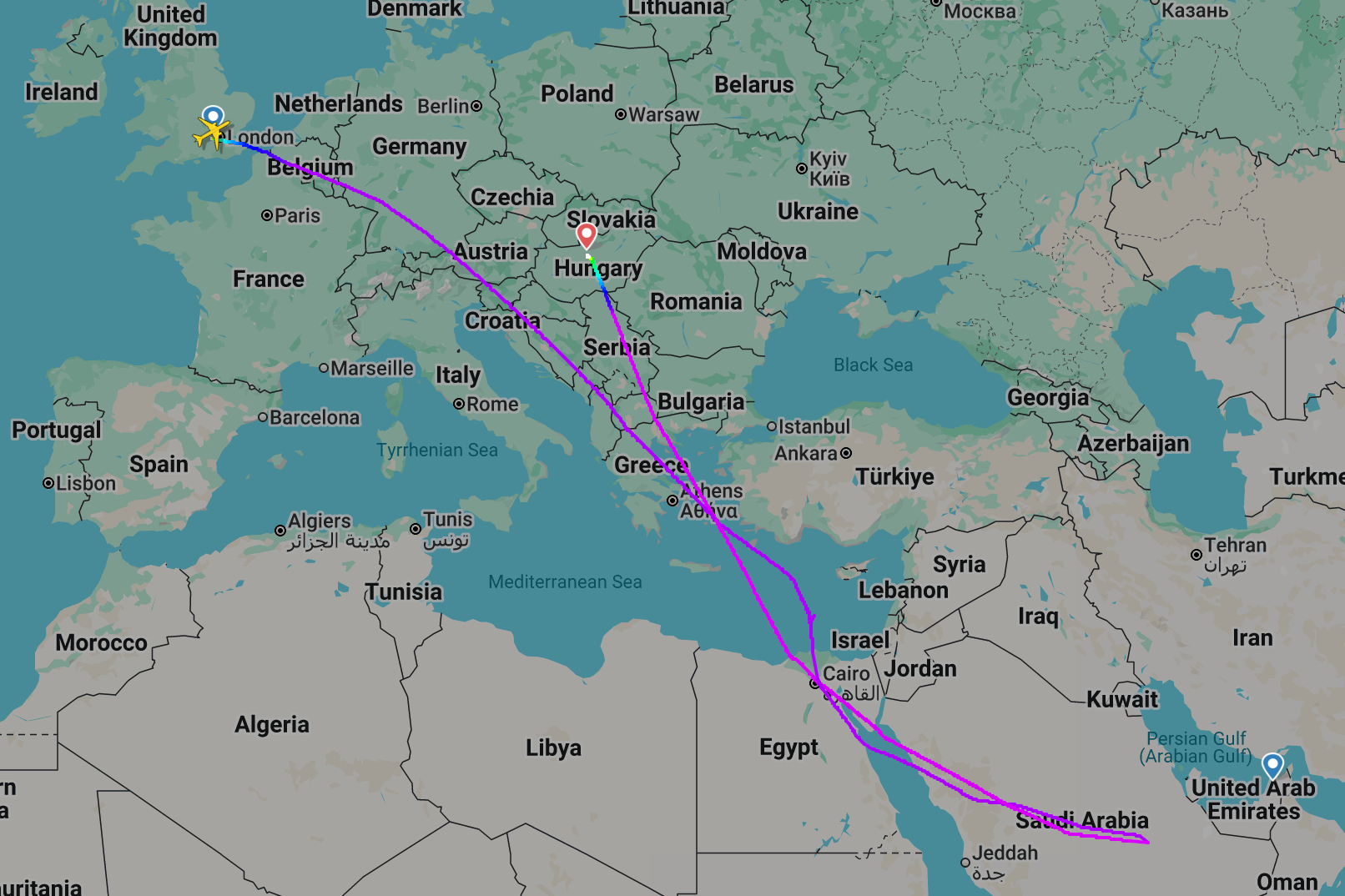 Long haul: flight path of Virgin Atlantic jet that was unable to land in Dubai and diverted to Budapest to refuel (FlightRadar24)
FlightRadar24
Long haul: flight path of Virgin Atlantic jet that was unable to land in Dubai and diverted to Budapest to refuel (FlightRadar24)
FlightRadar24
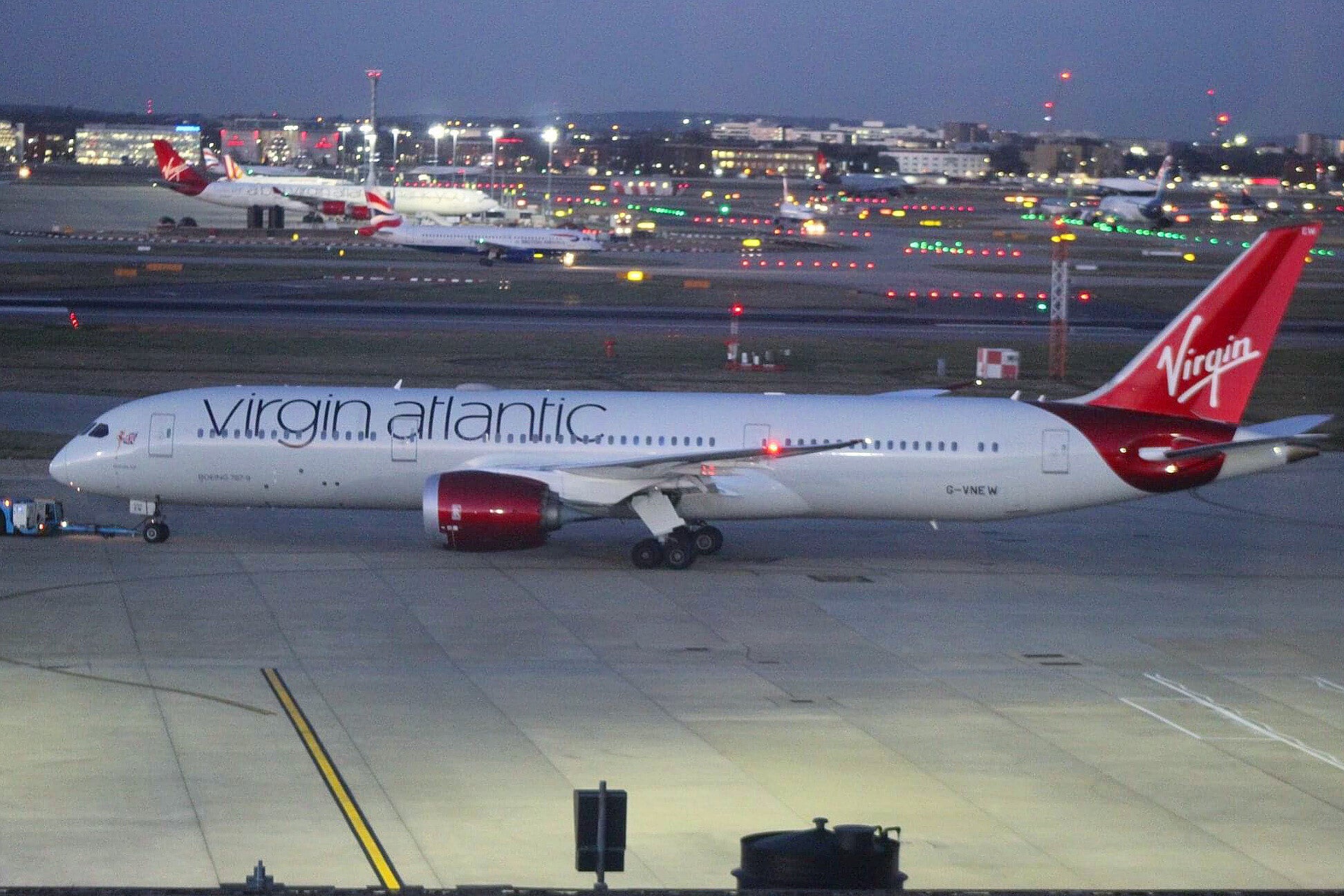 Virgin Atlantic has now decided to cancel all flights to and from Dubai for the rest of the winter season (Matt Carter)
Matt Carter
Virgin Atlantic has now decided to cancel all flights to and from Dubai for the rest of the winter season (Matt Carter)
Matt Carter
Virgin Atlantic has suspended its Dubai route after a London-to-Dubai service turned into a 16-hour “flight to nowhere”, landing back at Heathrow via an unscheduled refuelling stop in Budapest. According to The Independent, flight VS400 left Heathrow late Friday, flew for six hours, then reversed course when airspace closures followed fresh Iranian strikes on Gulf states. The airline says it will cancel all Dubai flights for the rest of the winter season, with the separate London–Riyadh link also “paused”.
The incident is a small, visible symptom of how war risk is priced and enforced in real time—often faster than any public reassurance from governments or airport operators. Dubai airport reportedly reopened shortly after its closure, but Virgin Atlantic said its internal safety criteria for continuing “had not yet been met”. That distinction matters: airlines do not fly on the basis of a press line that a terminal is open, but on a chain of operational constraints that includes overflight permissions, insurer conditions, crew duty-time limits, diversion planning, and the probability that a safe alternate airport will remain available if conditions deteriorate mid-flight.
Once the risk level rises, the bill moves quickly and predictably down the stack. Insurers demand higher premiums when civilian airports become targets, The Independent reports, raising the marginal cost of every rotation. Airlines facing both higher insurance and weaker demand then cut schedules, concentrating scarce aircraft and crews on routes with fewer tail risks. Passengers pay first through disruption—missed connections, forced overnights, and rebooking queues—and then through higher fares as capacity shrinks and risk surcharges harden into the base price.
The divergence between carriers also reveals how decentralised the decision-making really is. British Airways, described by The Independent as particularly risk-averse, has reportedly focused efforts on Muscat, seen as a safer alternative airport. Gulf carriers—Emirates, Etihad and Qatar Airways—are seeking to add repatriation flights, especially to the UK and India, as thousands try to leave. Those choices are not ideological; they reflect different network economics. A hub carrier can justify extra flights to clear stranded passengers and protect its connecting system, while a point-to-point operator can simply stop selling exposure.
Virgin’s aircraft ultimately returned to Heathrow shortly before 2pm on Saturday. The route closure was announced after one widebody jet spent most of a day burning time, fuel and crew hours without delivering a single passenger to its destination.