
Israeli strike hits Tehran oil storage site
Conflict shifts toward energy infrastructure and cashflow targets, refinery tit-for-tat raises shipping insurance even without Hormuz closure
Images
 newsweek.com
 Iran’s Powerful Ally Who Outlasted Trump’s Wrath Looms on Sidelines of War
newsweek.com
Iran’s Powerful Ally Who Outlasted Trump’s Wrath Looms on Sidelines of War
newsweek.com
 2 in Custody After Suspicious Devices Found at Zohran Mamdani's Home
newsweek.com
2 in Custody After Suspicious Devices Found at Zohran Mamdani's Home
newsweek.com
 US Travel Alert Update As Americans Warned of Hotel Terror Attacks
newsweek.com
US Travel Alert Update As Americans Warned of Hotel Terror Attacks
newsweek.com
 Dubai Airport Attack: Video Shows Explosion As Strike Sparks Travel Chaos
newsweek.com
Dubai Airport Attack: Video Shows Explosion As Strike Sparks Travel Chaos
newsweek.com
 zerohedge.com
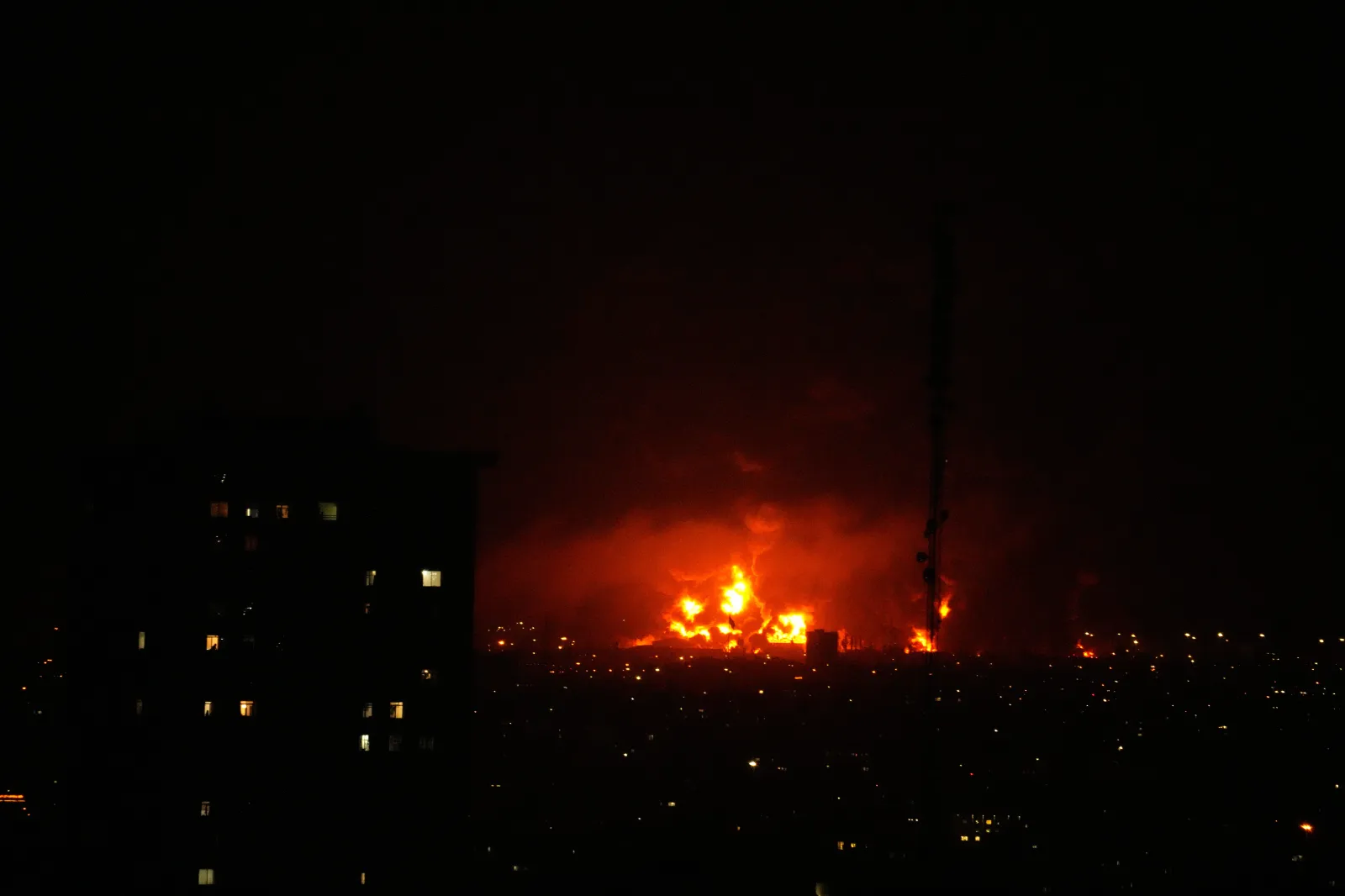
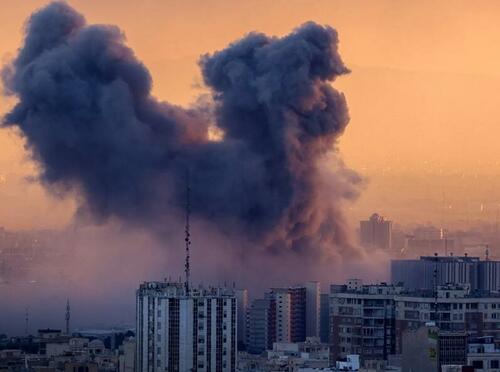 Strike on Tehran this week, AFP/Getty Images
zerohedge.com
Strike on Tehran this week, AFP/Getty Images
zerohedge.com
Flames rose over Tehran late Saturday after an Israeli strike hit an oil storage facility, Iranian state media reported, as the week-old Iran war widened from military targets toward energy infrastructure. The Associated Press said video showed the horizon glowing above the capital, while Israel’s military confirmed a new wave of strikes in Tehran’s east and south without immediately detailing targets.
The attack marked a shift toward assets that fund and fuel the war. Oil storage and refining capacity are not just symbols; they are throughput—diesel for transport, feedstock for power generation, and the export revenue that keeps the state liquid under sanctions. Even limited damage can create bottlenecks: distribution becomes uneven, prices rise in local markets, and the government is forced to choose between domestic supply and whatever export volumes it can still move.
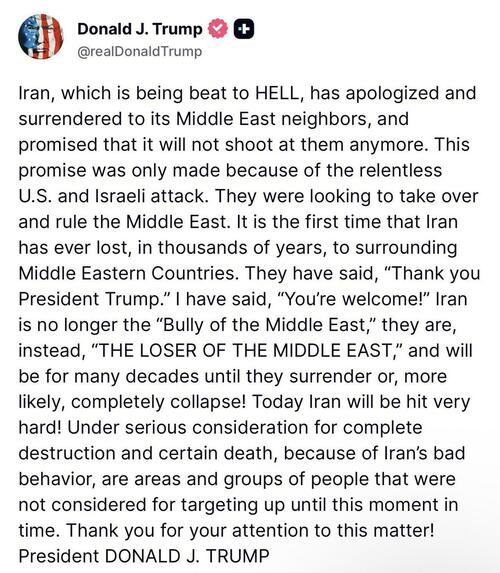
Iran’s leadership is already signalling internal strain. In the same Newsweek report, President Masoud Pezeshkian apologised to neighbouring Gulf states for Iranian strikes and urged that missiles not be fired at them unless Iran is attacked from their territory. But hardline figures inside the leadership council overseeing Iran since Supreme Leader Ali Khamenei was killed have taken the opposite line. Judiciary chief Gholam Hossein Mohseni-Ejei wrote that attacks on targets linked to US bases in the region would continue, while parliament speaker Mohammad Bagher Ghalibaf argued that US military presence ensures Gulf states “will not enjoy peace.”
That split matters because energy targets raise the external costs fast. Gulf states sit at the centre of global oil and gas logistics, and the region’s insurance pricing reacts to perceived escalation long before a tanker is hit. The Strait of Hormuz does not need to be closed to become expensive: fires, uncertainty, and the prospect of tit-for-tat strikes are enough to reprice war risk premiums for shipping and aviation.
ZeroHedge, citing Iranian and regional reporting, described a tit-for-tat dynamic emerging, with Iran’s Revolutionary Guard claiming it struck Israel’s Haifa refinery in retaliation. If both sides treat refineries and depots as legitimate targets, the conflict becomes a contest over cashflow and civilian resilience rather than battlefield manoeuvre.
The United States has its own exposure. The AP report notes Gulf allies saying Washington did not give them adequate time to prepare for the war, even as US bases and air defences in the region become part of the targeting map. Pezeshkian’s apology attempts to keep host states from turning into direct combatants; the missiles in the air make that promise hard to price.
In Tehran, the fire was visible against the night sky. The next day’s fuel deliveries will show whether the strike was theatre or a constraint.