
Azerbaijan releases footage of alleged Iran-linked pipeline plot
Baku says BTC oil route and Jewish sites were targets, Europe’s alternative energy corridor comes with its own security bill
Images
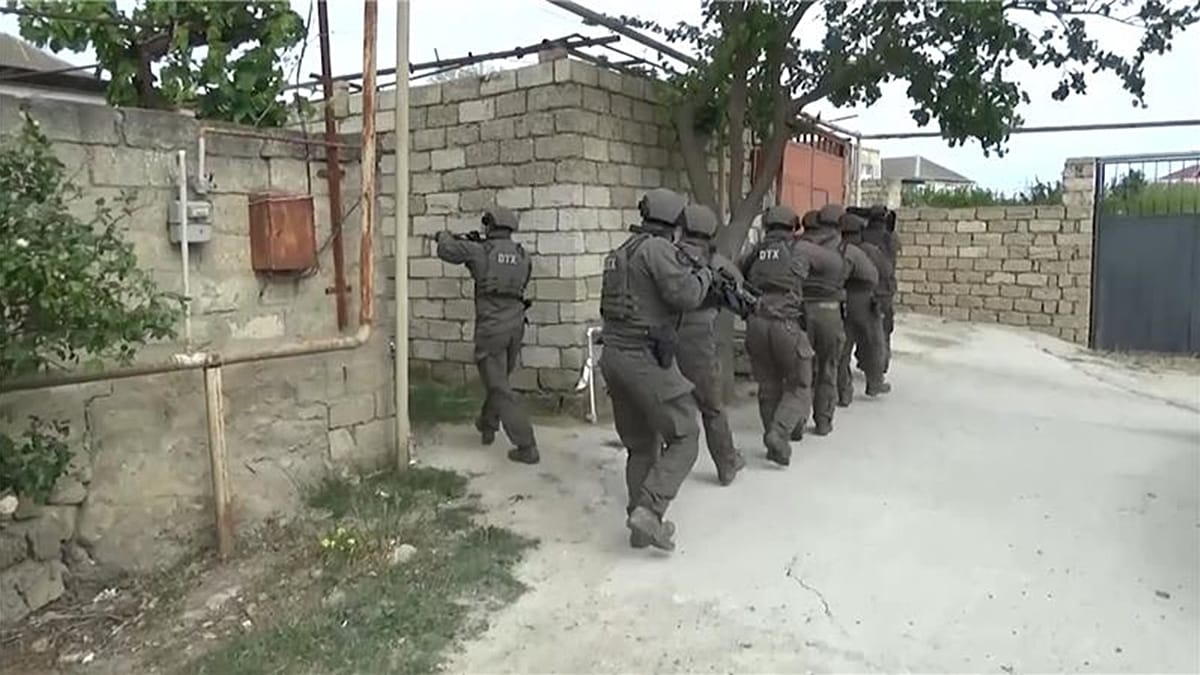 Azerbaijan releases footage after foiling Iran-linked terror plots
euronews.com
Azerbaijan releases footage after foiling Iran-linked terror plots
euronews.com
Azerbaijan’s State Security Service says it has foiled an Iran-linked sabotage and assassination plan targeting the Baku–Tbilisi–Ceyhan oil pipeline and Jewish sites in the country, releasing video of seized explosives as proof. Euronews reports that the footage shows blocks of C-4 and other devices that investigators say were smuggled into Azerbaijan for attacks on four targets: the pipeline, the Israeli embassy in Baku, a leader of the Mizrahi Jewish community, and an Ashkenazi synagogue.
Authorities said they found more than 7.7 kilograms of C-4 in a container near Shikhov in Baku’s Sabail district, and described a remote-controlled device capable of causing damage within a few hundred metres. Several suspects were detained; four were sentenced to six years and six months in prison, while others remain under arrest on charges including preparation of attempted assassination and illegal possession of explosives and firearms. Azerbaijan identified an IRGC-linked officer — named as Colonel Ali Asgar Bordbar Sherami — as an organiser, and said Iranian nationals connected to the case have been placed on international wanted lists.
The timing matters as much as the allegation. Baku’s disclosure came as the wider Iran conflict spills into the Gulf and as Europe’s energy system prices in disruption risk. The Baku–Tbilisi–Ceyhan route is one of the few large export corridors that bypass both Russia and the Strait of Hormuz, moving Caspian crude to the Mediterranean via Georgia and Turkey. When Hormuz is unstable, alternative pipelines become strategic assets — and strategic targets.
Publishing video evidence is also a political act. It signals to partners that Azerbaijan is acting as a front-line security provider for infrastructure that European refiners and traders rely on, and it frames domestic counter-terror operations as part of a wider regional confrontation rather than internal policing. The same message travels to Tehran: operations attributed to Iranian networks will be made public, with names attached, in a way that invites diplomatic and economic consequences.
Euronews notes that the announcement followed a drone strike on Azerbaijan’s Nakhchivan exclave that injured four civilians and damaged Nakhchivan International Airport and a nearby rural school. President Ilham Aliyev convened a security council meeting and warned that further attacks would face an “Iron Fist” response.
For Europe, the second-order effect is that “diversification” is not a spreadsheet exercise. The more a corridor becomes essential, the more it attracts the kind of threats that turn energy security into a counter-intelligence problem.
In the released footage, the C-4 is laid out on a table for the camera. The pipeline it was allegedly meant for runs hundreds of kilometres in the open.