
Russia returns to Venice Biennale
Organisers cite dialogue while EU lawmakers call participation unacceptable, cultural boycotts keep finding exceptions
Images
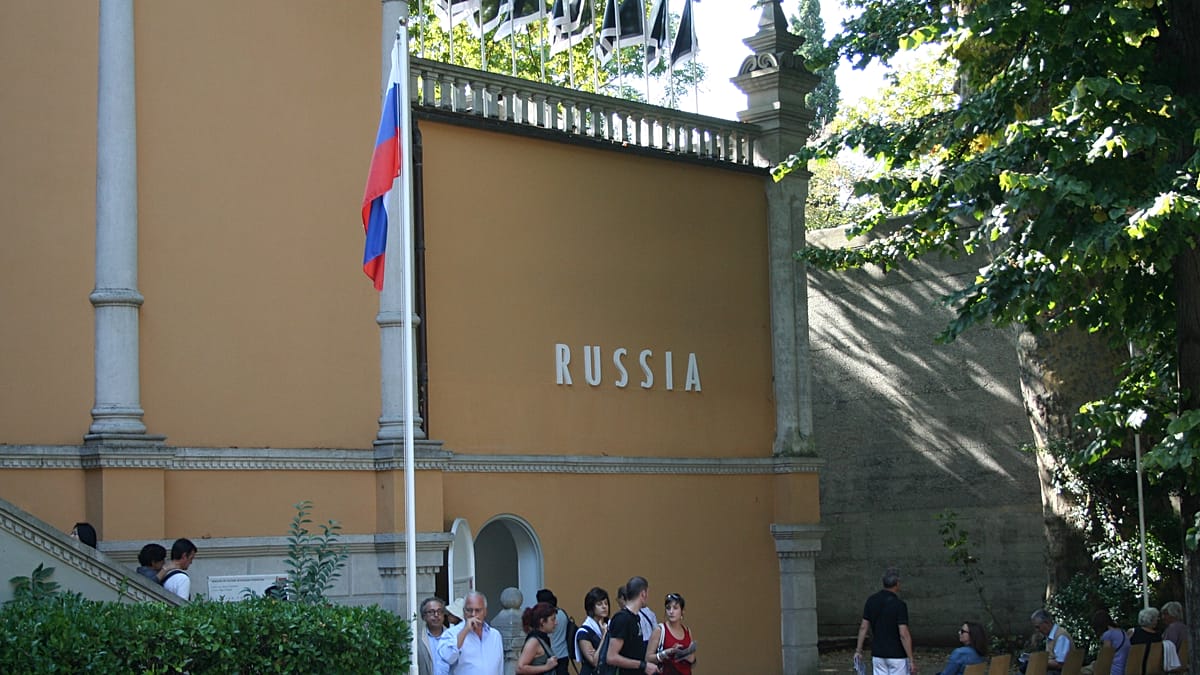 Russia returns to the Venice Biennale amid fierce criticism
euronews.com
Russia returns to the Venice Biennale amid fierce criticism
euronews.com
Russia is set to appear again at the Venice Biennale after a three-year absence that followed its full-scale invasion of Ukraine in 2022. Euronews reports that Moscow was never formally banned from the exhibition, but its return for the 2026 edition has triggered criticism from EU lawmakers and several European governments.
A cross-party group of Members of the European Parliament has written to the Biennale organisers calling Russia’s participation “unacceptable”, arguing that it risks legitimising a state waging a continuing war. Lithuania’s foreign minister described the decision as “abject”, while Italy’s government under Prime Minister Giorgia Meloni said it opposed Moscow’s presence—even as Rome stressed that the Biennale Foundation took the decision independently.
The details matter because the Biennale’s earlier response was already a compromise. In 2022 it barred access for individuals linked to the Russian government rather than banning Russia as a country, and Russia subsequently chose not to participate, at one point leasing its pavilion to Bolivia in 2024. Now Russia appears again on the list of participating countries for an exhibition scheduled to run from 9 May to 22 November 2026.
The Russian project itself is described as a series of sound performances titled Tree rooted in the sky, involving at least 38 young musicians, poets and philosophers “from different countries”, according to Euronews. The organisers say the title draws on the French philosopher Simone Weil and frames the work as a tension between the visible and invisible—language that is easy to endorse in an art catalogue and hard to audit as a political statement.
Biennale president Pietrangelo Buttafuoco defended the decision as consistent with Venice’s role as a forum for dialogue, saying he had invited people “from all areas of conflict” and that “where there is art, there is dialogue”, according to La Repubblica as cited by Euronews. The Biennale’s statement emphasised “openness and artistic freedom” and expressed hope for an end to conflict.
The controversy is not about whether art can be separated from politics but about who gets to decide when it should be. National governments can condemn participation while simultaneously disclaiming control; EU politicians can demand exclusion without bearing the costs of breaking long-standing cultural networks; and institutions can keep the brand promise of universality while selectively tightening or loosening access rules.
The first performance is scheduled for the Biennale’s press days from 5 to 8 May. Russia’s pavilion may not be open for the full duration of the event.
Russia’s name is back on the Biennale’s participant list, and the organisers say the exhibition remains “a place of dialogue”.