
Trump demands Iran unconditional surrender
White House narrows definition after Truth Social escalation, maximalist rhetoric raises exit costs for allies and Congress
Images
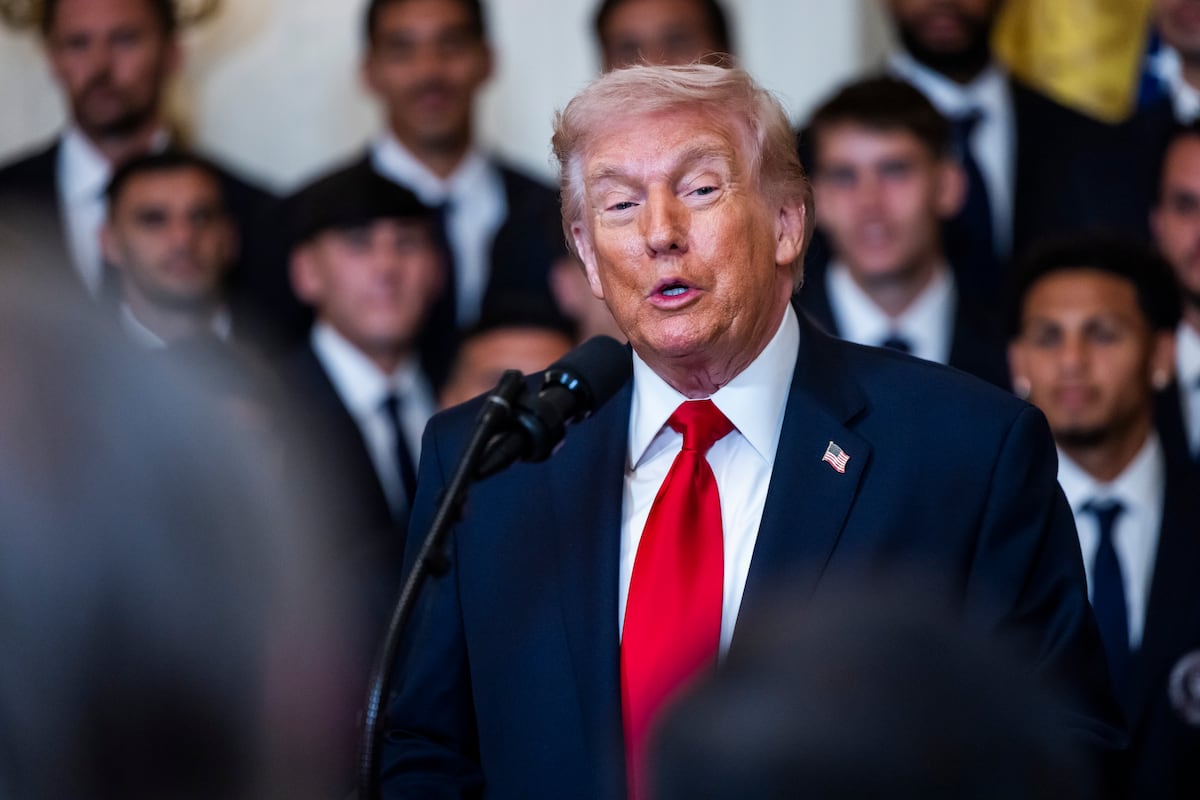 Trump’s shifting stance on ending the Iran war: From openness to talks to demanding ‘unconditional surrender’
english.elpais.com
Trump’s shifting stance on ending the Iran war: From openness to talks to demanding ‘unconditional surrender’
english.elpais.com
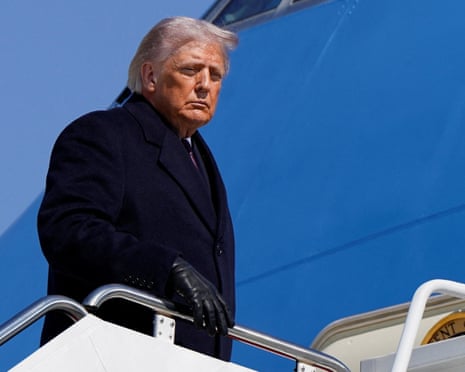 Donald Trump boarding Air Force One last Friday, shortly before giving the order to launch the war. Photograph: Elizabeth Frantz/Reuters
theguardian.com
Donald Trump boarding Air Force One last Friday, shortly before giving the order to launch the war. Photograph: Elizabeth Frantz/Reuters
theguardian.com
Donald Trump on Friday demanded Iran’s “unconditional surrender”, posting on Truth Social on the seventh day of the US-Israeli war and adding that Washington would help rebuild Iran after “the selection of a GREAT & ACCEPTABLE Leader(s)”, according to El País. The message marked a sharp shift from his earlier comments about being open to talks, and it was followed by a damage-control attempt from White House press secretary Karoline Leavitt on Fox News.
The wording matters because it changes what “ending the war” can mean without looking like defeat. A demand for surrender is not a bargaining position so much as a public commitment: once a president ties his personal authority to maximal terms, any compromise becomes a reputational loss. El País reports that Leavitt tried to redefine “unconditional surrender” as Iran no longer being able to threaten US forces and interests, while also repeating the administration’s stated goal of preventing Iran from obtaining a nuclear weapon. That reframing keeps the rhetoric high while leaving room for a lower threshold in practice—useful if the military campaign produces ambiguous results.
The Guardian describes the decision to launch the operation—named “Operation Epic Fury”—as a moment of political theatre as much as strategy, with Trump ordering the attack aboard Air Force One while traveling to deliver an “American Energy Dominance” speech. The paper also notes the internal Republican staging around the decision, including interactions with hawkish senators and a set-piece moment with actor Dennis Quaid cast as Ronald Reagan. That kind of choreography does not end when the bombing starts: it raises the domestic cost of stepping down.
For allies, the incentives run differently. Europe absorbs higher energy and shipping risk premiums while having little influence over Washington’s messaging or exit conditions. In the US system, Congress can complain after the fact, the Pentagon can execute, and the political brand can be adjusted in real time. The external costs do not have a vote.
Trump’s post promised Iran “a great future” after surrender. The war’s stated objectives, and the definition of success, are now being written in social-media capital letters.