
AI war clips flood Iran conflict feeds
State-linked accounts and Russia-aligned networks push synthetic and miscaptioned video, verification lags behind the first viral hour
Images
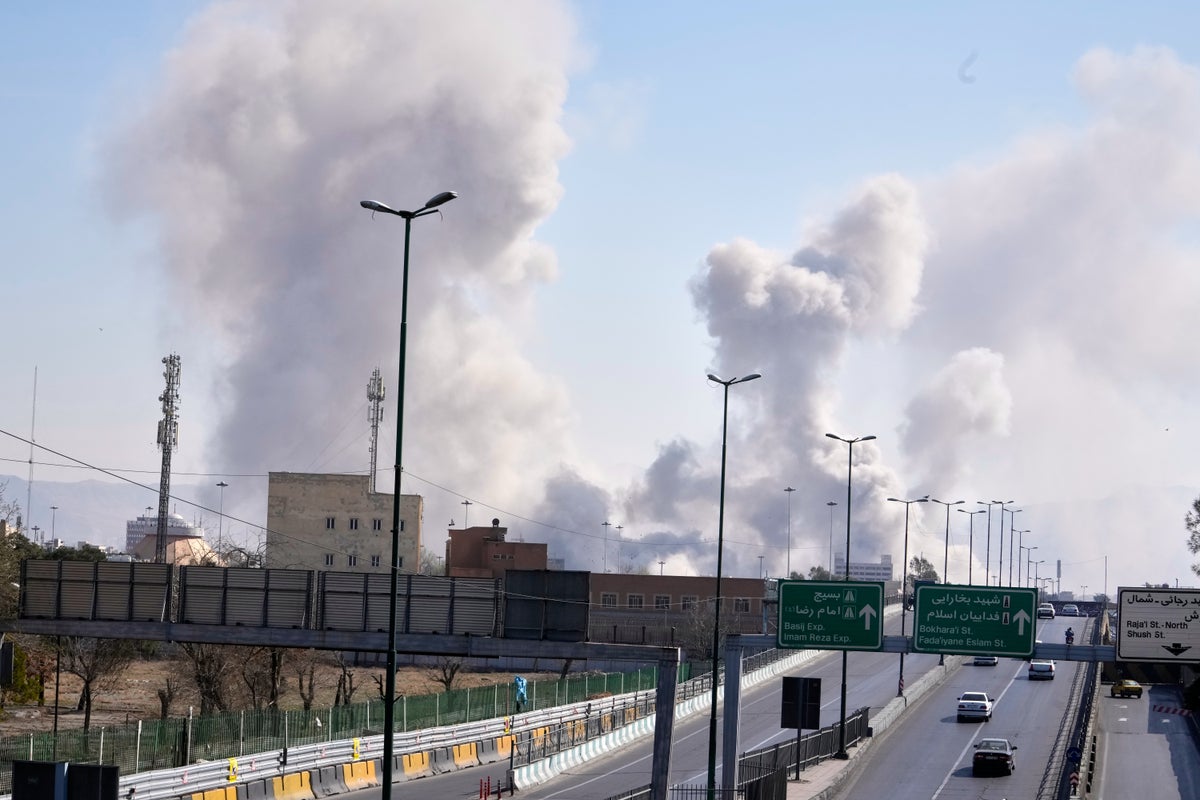 State actors are behind much of the visual misinformation about the Iran war
independent.co.uk
State actors are behind much of the visual misinformation about the Iran war
independent.co.uk
AI-generated “war footage” showing a high-rise burning in Bahrain spread widely online this week, complete with close-up crowds and flames licking out of upper floors. The Independent reports the clip was synthetic, with telltale visual glitches—cars appearing fused together and a man’s elbow passing through a backpack—yet it was circulated by accounts linked to the Iranian government as proof of battlefield success.
The flood of fabricated or miscaptioned video around the Iran war is not a side effect of modern conflict; it is a parallel front with its own supply chain. According to the Institute for Strategic Dialogue, state-linked campaigns tend to be more disciplined than opportunistic clickbait: they push a coherent story about momentum, casualties and retaliation, then use visuals as “receipts” to make the narrative feel witnessed rather than asserted. Alongside pro-Iran networks, the Independent notes a Russia-aligned operation known as Operation Overload (also called Matryoshka or Storm-1679) has posted content designed to impersonate intelligence services and news outlets—such as a fake warning attributed to Israeli intelligence telling Israelis abroad to stay indoors. The aim is not persuasion on a single claim but fatigue: when official-looking clips and documents can be forged cheaply, doubt becomes the default.
Iran’s domestic information controls widen the gap. Experts quoted by the Independent argue that internet shutdowns and censorship reduce the volume of verifiable, ground-level material from ordinary Iranians, removing a counterweight that shaped earlier conflicts. In Ukraine, ubiquitous civilian footage helped fix a moral frame and a chronology in real time; in Iran, the absence of comparable public testimony creates a vacuum that is quickly filled by state media, coordinated influence accounts and freelance engagement farmers recycling old footage, mis-geotagging explosions, or passing off video game imagery as current strikes.
This is where platform “trust and safety” turns into a strategic asset. The same moderation systems that claim neutrality decide which clips are labeled, downranked, removed or left to trend while newsrooms race to publish. Verification is increasingly outsourced to the very ecosystem producing the manipulation: open-source researchers, platform dashboards, and third-party tools that depend on platform access and state-tolerated connectivity. When access is throttled, or when authentic local material is scarce, the cheapest content—often synthetic—wins the first hours of attention.
The Independent’s examples are mundane rather than cinematic: recycled videos, false locations, AI-generated explosions, and counterfeit institutional branding. The pattern is consistent. A conflict begins, the clip economy accelerates, and the boundary between “evidence” and “content” collapses under volume.
One AI video of a burning tower can be debunked in minutes. The harder problem is that the debunking arrives after the clip has already done its job.