
US intelligence alleges Russia shares targeting data with Iran
Officials say Moscow not directing strikes but raising operational risk, Gulf war costs keep flowing into Europe’s energy bill
Images
 euronews.com
 euronews.com
 euronews.com
 euronews.com
 euronews.com
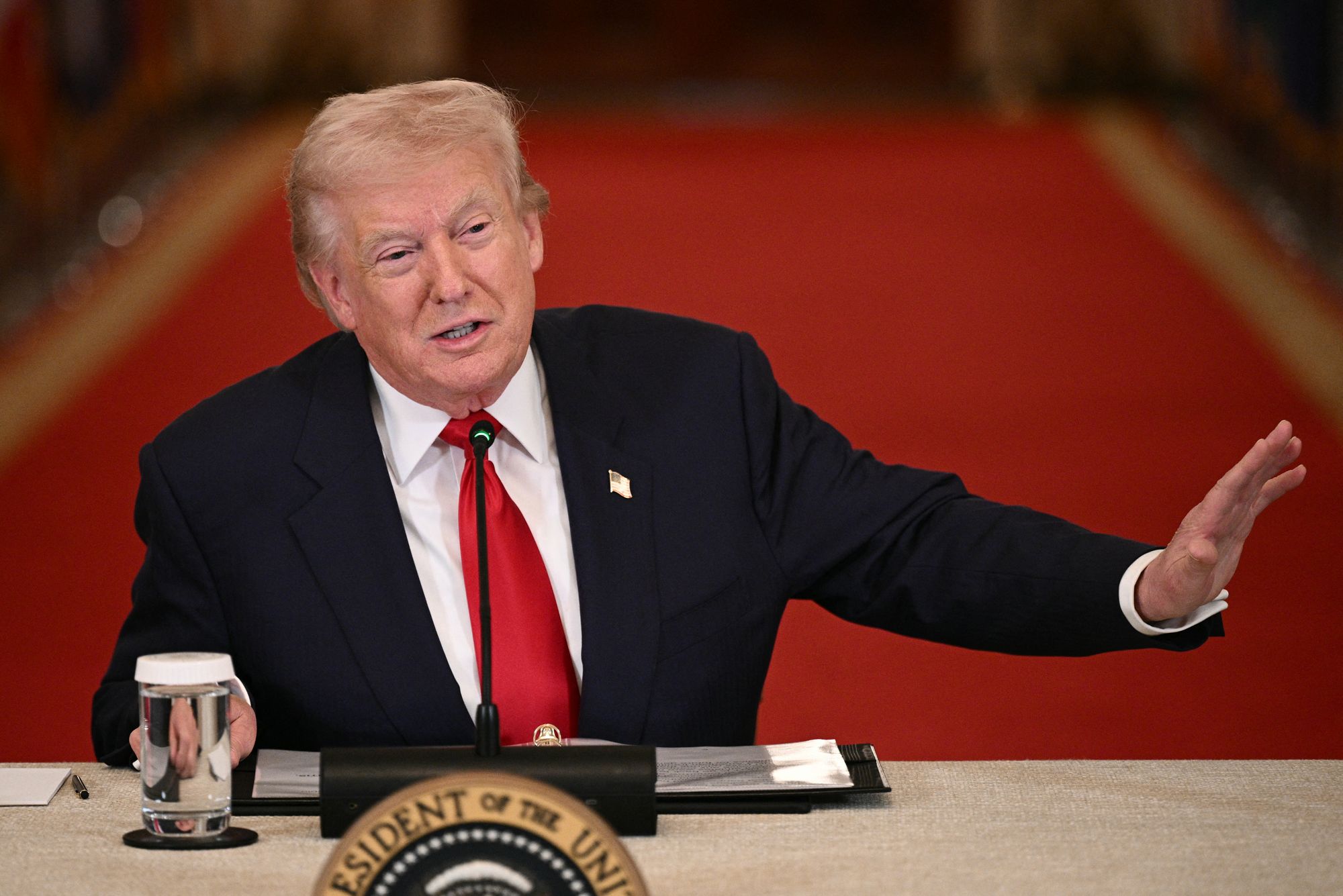 President Trump on Friday brushed off what he said was a ‘stupid’ question about whether Russia is helping Iran target the U.S. in the ongoing war (AFP via Getty Images)
AFP via Getty Images
President Trump on Friday brushed off what he said was a ‘stupid’ question about whether Russia is helping Iran target the U.S. in the ongoing war (AFP via Getty Images)
AFP via Getty Images
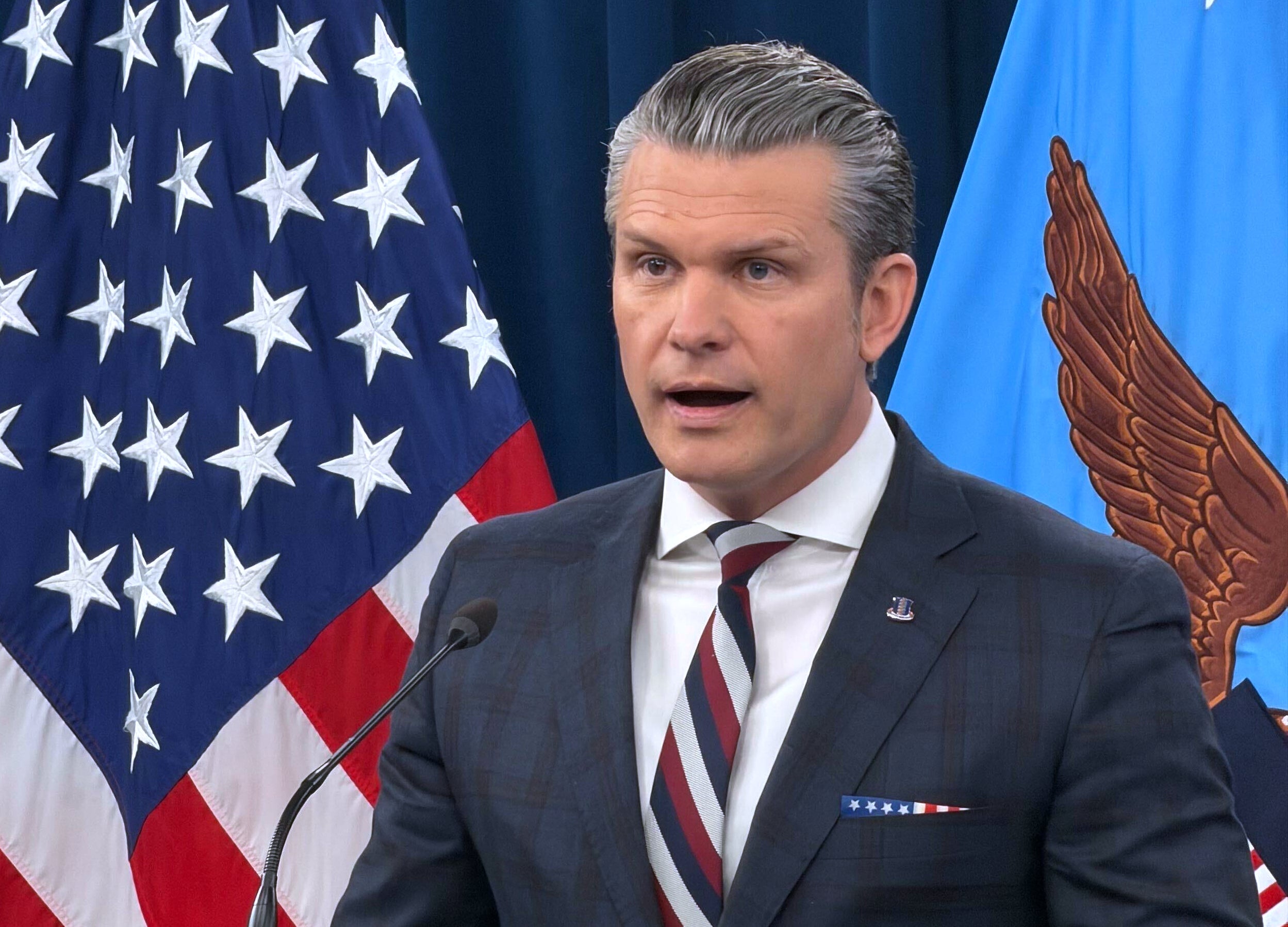 Defense Secretary Pete Hegseth says U.S. commanders are ‘aware of everything’ surrounding the intelligence going to aid the Iranian war effort (AP)
independent.co.uk
Defense Secretary Pete Hegseth says U.S. commanders are ‘aware of everything’ surrounding the intelligence going to aid the Iranian war effort (AP)
independent.co.uk
Two US intelligence officials told Euronews that Russia has provided Iran with information that could help it locate and strike American warships, aircraft and other regional assets. The officials, speaking anonymously, said they had not seen evidence that Moscow is directing Iranian operations, but described the intelligence-sharing as a new level of involvement in a war launched a week ago by the US and Israel.
The allegation lands as Washington is already absorbing the practical costs of keeping the Gulf accessible: higher force protection, tighter basing posture, and the knock-on effects of insurance pricing that can idle shipping and aviation even without a formal blockade. The same Euronews live coverage notes fresh drone and missile activity reported by Gulf states and a “dignified transfer” ceremony in the US for six service members killed in an Iranian strike on a base in Kuwait. In that environment, targeting data is not an abstract escalation; it changes how insurers, port operators and airlines assess whether the region is usable at all.
For Moscow, the attraction is obvious. Sharing intelligence is cheaper than deploying forces and harder to attribute than a direct strike, yet it can still raise the cost of US operations by forcing wider dispersal, more defensive sorties and more expensive logistics. It also tests a boundary Washington has historically treated as sensitive: how far a nuclear-armed rival can support an adversary in an active US campaign without triggering retaliation against the supplier.
Europe sits downstream of these decisions. The section’s recent coverage has tracked how the Iran war has pushed European gas prices higher through war-risk premia, freight disruption and insurance constraints rather than physical shortages. If Russia is indeed helping Iran locate US assets, the immediate battlefield effect matters less than the market effect: any perception that the Gulf is becoming a high-loss environment widens the risk premium that ultimately lands in European energy bills and inflation.
The White House, via press secretary Karoline Leavitt, has declined to comment on leaked intelligence reports, while defence secretary Pete Hegseth told US media that commanders are “aware of everything” and “tracking everything,” according to The Independent’s account of the administration’s response.
The new claim is that Russia is feeding Iran information about US targets. The concrete result so far is that the US is preparing to receive the bodies of six troops killed in Kuwait.